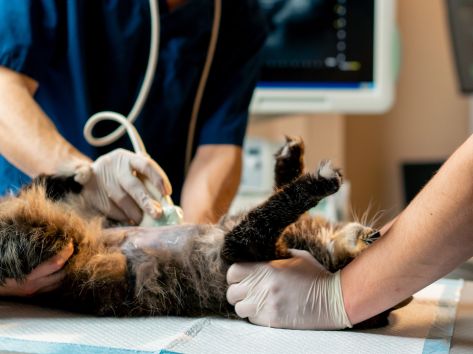
As a pet parent, you know how important your furry friend’s health is. Just like humans, pets are vulnerable to chronic diseases that can affect their quality of life. However, many of these conditions develop silently over time, showing no obvious signs until they become severe. Fortunately, veterinary diagnostics have made it possible to detect these diseases early, often before symptoms appear. This proactive approach can extend your pet’s life and improve their overall well-being.
Why Early Detection Is Essential
Chronic diseases such as diabetes, kidney disease, liver issues, heart conditions, and cancer often progress slowly. By the time visible signs emerge, significant damage may have already occurred. Early detection allows veterinarians to intervene before the disease worsens. As a result, treatment becomes more effective, and the chances of long-term management improve.
Moreover, catching diseases early can reduce the emotional and financial strain of emergency treatments or hospitalizations. It’s not just about prolonging life; it’s about preserving the quality of life your pet enjoys.
The Role of Veterinary Diagnostics
Veterinary diagnostics play a crucial role in identifying health problems in pets at an early stage. These tests provide detailed insights into your pet’s internal health, which is often not visible during a routine physical examination. Let’s break down some of the most commonly used diagnostic tools:
1. Blood Tests
Bloodwork is one of the most valuable tools in veterinary medicine. It helps detect abnormalities in organ function, blood sugar levels, thyroid activity, and infection markers. For instance, elevated kidney values might point to early-stage kidney disease, allowing for dietary adjustments and medication before symptoms like vomiting or weight loss start.
2. Urinalysis
A simple urine test can reveal a lot about a pet’s health. It helps identify urinary tract infections, kidney dysfunction, and even diabetes. Since pets can’t verbally express discomfort, conditions like bladder infections can go unnoticed without diagnostic testing.
3. Imaging (X-rays and Ultrasound)
These non-invasive tools help visualize internal structures like the heart, lungs, liver, and gastrointestinal tract. Imaging is particularly useful for detecting tumors, heart enlargement, or blockages conditions that might otherwise go undetected until advanced stages.
4. Fecal Exams
Parasites often go unnoticed but can cause chronic gastrointestinal issues. Fecal tests help identify internal parasites that might otherwise silently impact your pet’s digestion and nutrient absorption.
5. Electrocardiogram (ECG) and Echocardiography
Heart disease is common in older pets. ECG and echocardiography help evaluate heart rhythms and structure. These tools can catch heart disease in its early stages, enabling timely treatment.
How Often Should Diagnostics Be Done?
Many pet owners believe that annual check-ups are enough. While that might be true for young and healthy pets, senior pets or those with known health risks may benefit from bi-annual exams and routine diagnostic screenings. Your veterinarian can guide you on a personalized diagnostic schedule based on your pet’s breed, age, and health history.
Additionally, certain breeds are more prone to specific chronic conditions. For example, Persian cats are more likely to develop polycystic kidney disease, while large dog breeds like Dobermans are predisposed to heart problems. Targeted diagnostics for these breeds can be life-saving.
Benefits of Early Detection Through Diagnostics
Early detection offers a host of benefits, both medical and emotional. Here’s how it makes a difference:
- Improved Prognosis: Diseases caught in their early stages are often easier to treat or manage.
- Customized Care: Vets can tailor treatments to your pet’s specific condition and stage of illness.
- Cost Savings: Preventive care is often less expensive than emergency treatments or surgeries.
- Peace of Mind: Knowing your pet is healthy—or catching issues early—brings peace to pet owners.
Veterinarians rely on pet owners to recognize subtle signs and stick to a regular schedule of exams and tests. Working together ensures that pets get the care they need before they suffer. You’re your pet’s first line of defense—so stay observant, ask questions, and never skip a routine visit.
If you’re a pet owner seeking to stay ahead of chronic diseases, consider scheduling regular pet diagnostic care in Sarasota, FL. Local veterinary clinics like Animal Medical Clinic of Gulf Gate offer advanced diagnostic tools that can detect health issues before symptoms appear. Book an appointment today. Whether your pet is young or aging, preventive diagnostics can make all the difference in their quality of life.
Early detection is more than just a buzzword; it’s a proven way to protect your pet’s health. By choosing comprehensive diagnostic care, you’re investing in a happier, healthier future for your furry family member.