
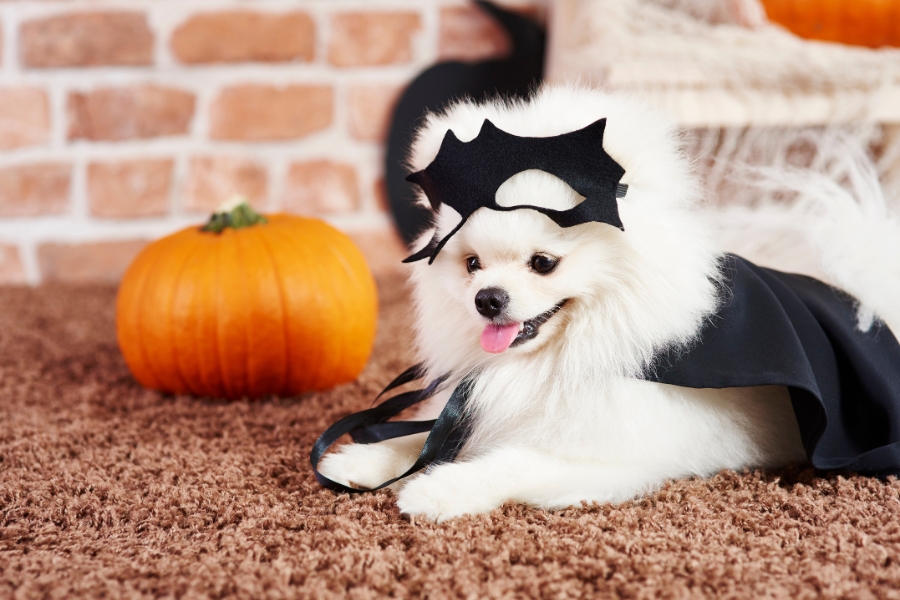
As the crisp autumn breeze sweeps in and carved pumpkins light up doorsteps, Halloween offers delightful fun for humans—and yes, for our dogs too! However, when you invite your canine companion into the festivities, you’re responsible for making sure they enjoy the night safely. In this blog post, I’ll walk you through essential safety tips and creative ideas to make your dog’s Halloween both memorable and secure.
Why Involve Your Dog in Halloween?
First, involving your dog in Halloween activities strengthens the bond you share. Secondly, it gives your pup an opportunity to be part of family fun rather than being left out in another room. And finally, including your dog encourages creativity—whether through costumes, photo shoots, or themed treats. Still, even in the excitement of costumes and treats, safety should remain your top priority.
Safety Tips for a Dog-Friendly Halloween
1. Choose Safe Costumes
When picking a costume, opt for loose-fitting, breathable fabrics that allow your dog to move freely and pant without restriction. Furthermore, avoid costumes with dangling pieces or small parts that might be chewed or swallowed. Make sure the costume doesn’t obstruct your dog’s vision, hearing, or breathing. Also, always supervise your dog in costume and remove it if they seem stressed, irritated, or uncomfortable.
2. Keep the Door Area Clear
On Halloween night, doorways often become high-traffic zones with decorations and visitors. To ensure your dog stays calm and unbothered, create a safe, quiet space away from the front door. Provide them with a cozy bed or crate in a low-traffic room. In addition, keep candles, decorative props, and chocolate treats out of reach. Those items pose choking hazards or toxic risks to pets.
3. Safeguard Tasty Treats
Candy and chocolate are Halloween staples for people, but they can be dangerous for dogs. Chocolate contains theobromine, which dogs cannot metabolize well—consuming it may trigger vomiting, seizures, or even worse. Moreover, xylitol-sweetened candy and raisins also pose serious hazards. For these reasons, store all sweets out of reach and never feed human candies to your dog. Instead, prepare dog-safe treats or reserve their regular snacks for the occasion.
4. Practice Street Safety
If you plan to go trick-or-treating or for an evening walk, remember that increased traffic, unfamiliar costumes, and loud noises can spook your dog. Always keep them on a leash and ensure their collar or harness fits snugly (but not too tight). Reflective gear or lights can help with visibility in low light. Additionally, monitor your dog for signs of stress—shaking, panting excessively, or trying to run away—and retreat early if necessary.
5. Manage Social Interactions
Halloween may bring plenty of strangers approaching your dog with treats or wanting to pet or photograph them. Make sure your dog consents to these interactions: look for relaxed body language and tail wagging. If your dog shows signs of discomfort—freezing, lip licking, or backing away—give them space. Always give your pup the option to retreat from excitement. Training a simple “go to your space” command ahead of the night can make this much easier.
Fun Ideas to Make Halloween Dog-Friendly
a. Costume Photo Shoot
Set up a mini-studio at home with seasonal decorations, pumpkins, and soft lighting. Dress your dog in a simple, comfortable costume (so they don’t feel overwhelmed) and snap playful photos. Use props like treat bowls shaped like pumpkins or faux spider webs (kept safely out of reach). Share the pictures on social media or create a Halloween memory book.
b. Dog-Suitable Treat Hunt
Hide dog-safe treats indoors or in your backyard and encourage your dog to sniff them out. Scatter the treats so they’re easy to find at first, then gradually make the game more challenging. This activity taps into your dog’s instinctual sniffing behavior, gives them mental stimulation, and keeps them engaged rather than stressed by the doorbell and parade of visitors.
c. Pumpkin Playtime
Use a clean, hollowed-out mini pumpkin (or a sturdy fake one) and fill it with dog-safe snacks or kibble. Let your dog roll or paw the pumpkin to get the treats out. This simple game adds variety and ties into the Halloween theme. Always supervise, and be ready to end the game if your dog becomes overly frustrated or chews the pumpkin’s shell.
d. Trick or Treat at Home
Instead of the door-to-door version, create a “trick or treat” circuit at home. Place bowls of dog-friendly snacks at different spots throughout your house, and encourage your dog to move from station to station. For added fun, call out silly “trick” commands (like “spin” or “high five”) and reward them. This keeps your dog actively engaged while staying safe indoors.
e. Safe Halloween Party Zone
If you’re hosting guests, allocate a quiet “dog zone” where your pup can retreat if things get overwhelming. Provide their favorite toys, water bowl, and maybe a calming bed. Inform guests that your dog appreciates polite introductions and a treat if they’re going to interact. This ensures the festivities stay enjoyable for everyone.
Creating the Right Mood: Decor and Music
Keep your home decorated in a dog-safe way. Avoid real candles (opt for LED candles), keep electrical cords hidden, and choose decorations out of reach. Keep music at a moderate volume and avoid ultra-loud effects that might stress your dog. During the evening, play mellow Halloween-themed playlists with soft soundscapes rather than sudden jumpscares.
Training Touch-Ups Before the Big Night
In the lead-up to Halloween, work on commands like “sit,” “stay,” “leave it,” and “go to your place.” Also, familiarize your dog with their costume ahead of time. Let them sniff and wear the costume for brief stretches so it feels normal. Pair the costume with upbeat praise or treats so they associate it with a positive experience. Practice anchored interactions with strangers, ringing the doorbell, and other typical Halloween triggers so your dog stays calm.
Halloween can be a thrilling holiday, but it requires extra precautions for dog owners. By keeping candy and decorations out of reach, supervising costume wear, and providing dog-friendly treats and activities, you can celebrate safely. If you’re unsure about any aspect of your dog’s health or safety during the holiday, always contact your veterinarian for professional guidance. This ensures your furry friend enjoys the festivities without risk.
Related Articles

