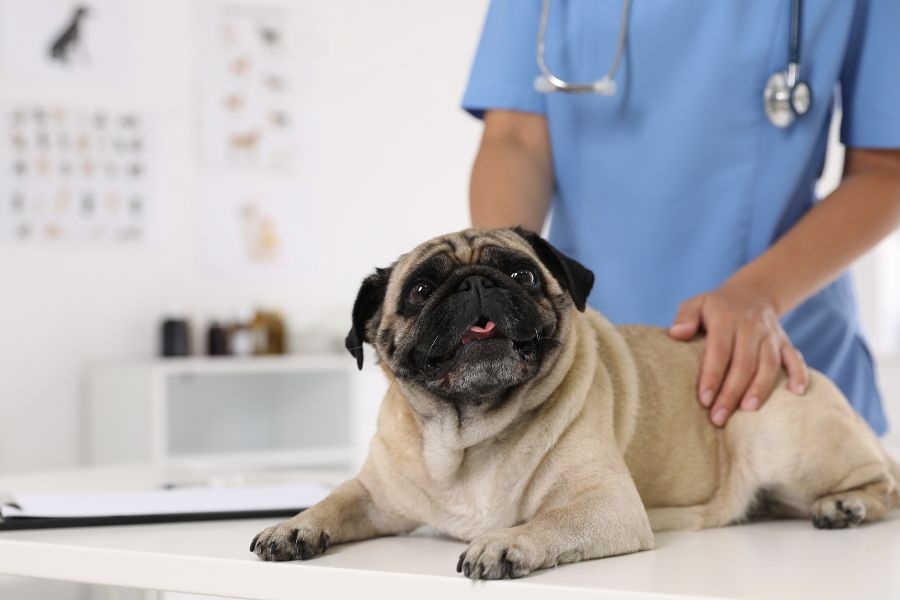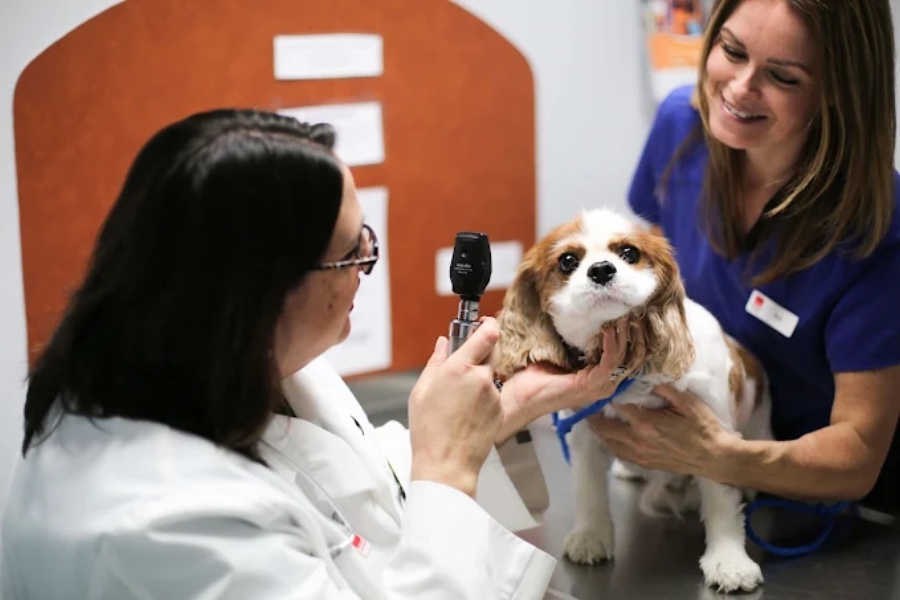
As a pet parent, your furry companion depends on you for love, comfort, and care. While providing food, exercise, and affection is essential, regular veterinary checkups are equally important for your pet’s long-term health and happiness. Many pet owners only visit the vet when their animal seems sick, but routine visits can detect problems early, prevent diseases, and even save your pet’s life.
Let’s explore how consistent vet visits can make a life-changing difference for your pet’s well-being.
1. Early Detection of Health Problems
One of the biggest advantages of routine vet visits is early disease detection. Pets often hide pain or discomfort, and by the time symptoms become obvious, the condition may have already progressed. During regular checkups, veterinarians perform detailed physical exams, blood tests, and screenings to identify hidden health issues.
For example, early detection of kidney disease, diabetes, or dental infections allows for quicker treatment and a better prognosis. By catching illnesses before they worsen, your vet can extend your pet’s life expectancy and reduce future medical expenses.
2. Preventive Care and Vaccinations
Prevention is always better than cure. Regular vet visits include essential vaccinations and parasite control that protect your pet from serious illnesses. Vaccines shield pets from diseases such as rabies, parvovirus, and distemper, while preventive medications protect against fleas, ticks, and heartworms.
Additionally, your vet will recommend a customized preventive care plan based on your pet’s breed, lifestyle, and environment. This proactive approach ensures your pet stays healthy year-round and reduces the risk of emergency visits.
3. Weight and Nutrition Management
A balanced diet and proper weight management are key to your pet’s overall health. However, it can be difficult to determine whether your pet’s current diet meets their nutritional needs. During a vet visit, your veterinarian will assess your pet’s weight, body condition, and dietary habits.
If necessary, they can recommend nutritional adjustments or special diets to prevent obesity, joint issues, or digestive problems. Maintaining a healthy weight not only improves mobility but also supports your pet’s heart, liver, and overall longevity.
4. Dental Health and Hygiene
Dental disease is one of the most common health issues in pets. Unfortunately, many pet owners overlook the importance of oral hygiene. Poor dental care can lead to tooth decay, gum infections, and even organ damage when bacteria spread through the bloodstream.
Regular veterinary checkups include dental examinations to identify tartar buildup, loose teeth, or signs of oral disease. Routine cleanings and home dental care recommendations from your vet help maintain your pet’s bright smile and prevent painful infections.
5. Monitoring Behavioral and Lifestyle Changes
Changes in behavior—such as aggression, withdrawal, or loss of appetite—can sometimes signal an underlying medical issue. Routine visits allow your veterinarian to monitor your pet’s behavioral and physical changes over time.
Your vet can also provide advice on exercise routines, mental stimulation, and socialization techniques. By understanding your pet’s emotional and physical needs, you can create a happier, healthier home environment.
6. Senior Pet Care and Ongoing Monitoring
As pets age, their healthcare needs evolve. Senior pets are more prone to conditions like arthritis, diabetes, and cancer. Regular veterinary visits ensure these issues are detected and managed early, helping your aging companion enjoy a comfortable and active life.
Your vet might suggest more frequent checkups, specialized diets, or supplements for joint health and mobility support. Early diagnosis and consistent monitoring significantly improve your pet’s quality of life as they grow older.
7. Peace of Mind for Pet Owners
Regular veterinary visits don’t just benefit pets—they also bring peace of mind to owners. Knowing your pet is healthy and up to date on vaccinations allows you to relax and focus on enjoying your time together.
Your veterinarian becomes your trusted partner in your pet’s wellness journey, offering personalized care plans and expert advice at every stage of life.
In short, regular vet visits are life-saving. They play a crucial role in preventing diseases, detecting health issues early, and maintaining your pet’s physical and emotional well-being.
If you are located in Sarasota, FL and searching for a trusted veterinarian, visit Animal Medical Clinic of Gulf Gate. Our experienced veterinarian in Sarasota, FL team provides comprehensive care, preventive services, and wellness plans to keep your furry friend healthy and happy for years to come.
Frequently Asked Questions (FAQs)
Q1. How often should I take my pet to the vet?
Ans. Most pets should have at least one vet checkup per year. Senior pets or those with health issues may need visits every six months.
Q2. What happens during a routine vet visit?
Ans. A vet typically performs a physical exam, checks vital signs, reviews vaccinations, and may recommend lab tests or preventive treatments.
Q3. Can regular vet visits really prevent diseases?
Ans. Yes. Vaccinations, deworming, and health screenings can prevent or detect illnesses early—before they become life-threatening.
Q4. What are the signs my pet needs to see a vet immediately?
Ans. If your pet shows symptoms like vomiting, loss of appetite, breathing difficulty, or sudden behavior changes, contact your vet right away.
Q5. How can I prepare my pet for a vet appointment?
Ans. Bring their health records, note any behavioral changes, and comfort them with treats or familiar toys to ease anxiety.
Q6. Do indoor pets need vet checkups too?
Ans. Absolutely. Indoor pets can still face health risks such as obesity, dental disease, and internal parasites that require medical attention.