Cats are resilient animals, but recovering from surgery can be a challenging time for both them and their owners. Whether your feline friend underwent a routine procedure or something more complex, proper care during the recovery period is essential to ensure they heal quickly and comfortably. In this step-by-step guide, we’ll walk you through everything you need to know to help your cat recover after surgery.
Step 1: Create a Comfortable Recovery Area
As soon as your cat returns home from surgery, it’s crucial to provide them with a quiet and comfortable space. Choose a room that is free from distractions and away from other pets or children. Ensure the area is clean and has all the essentials—food, water, and their litter box—easily accessible.
If your cat is on medication, keep it close by to make administering it easier. Additionally, consider setting up a soft bed or blanket for them to lie on. This gives them a comfortable place to rest, which is key to their recovery process.
Step 2: Monitor Their Behavior and Physical Activity
After surgery, it’s normal for your cat to feel groggy or lethargic. However, it’s essential to monitor their behavior closely, as too much activity can hinder their healing. For the first few days, encourage your cat to rest and avoid jumping or running.
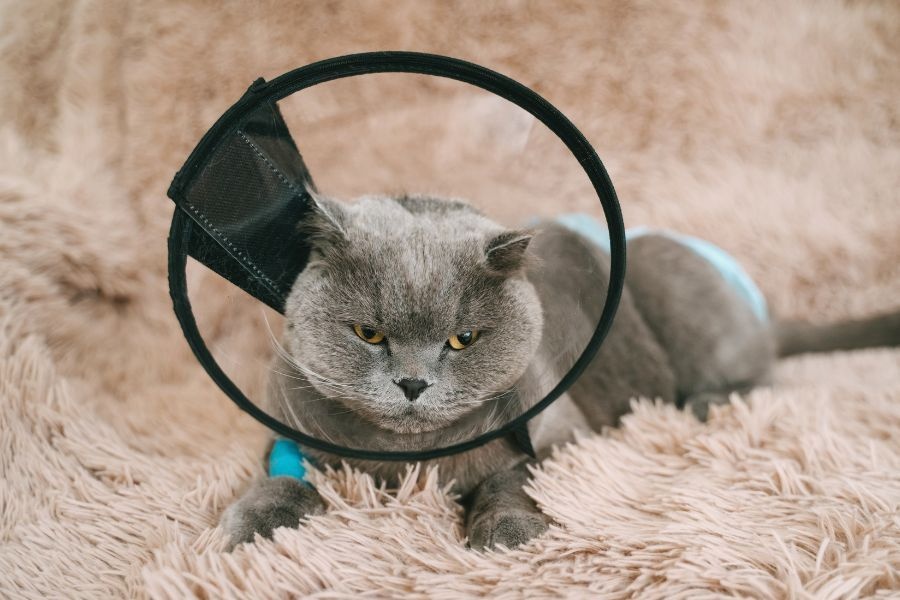
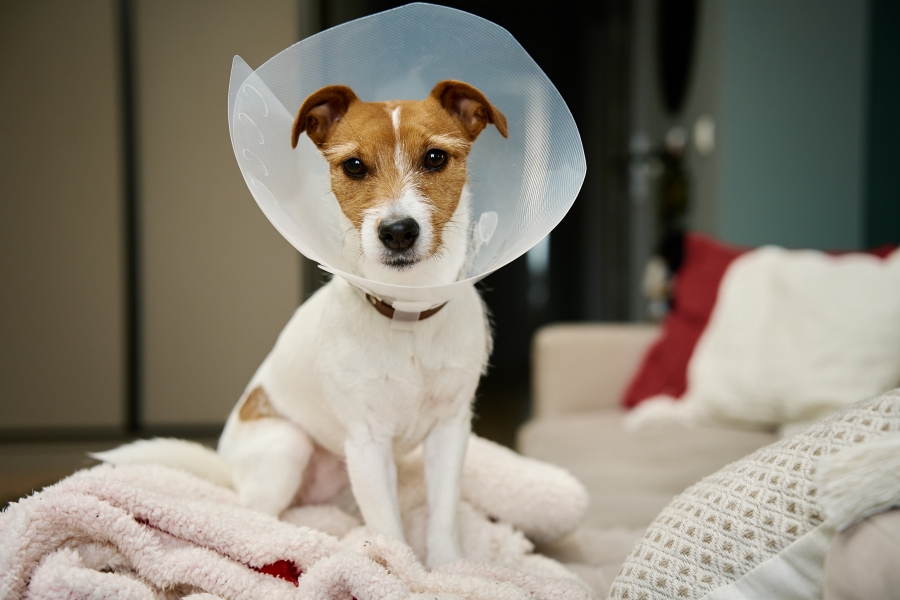
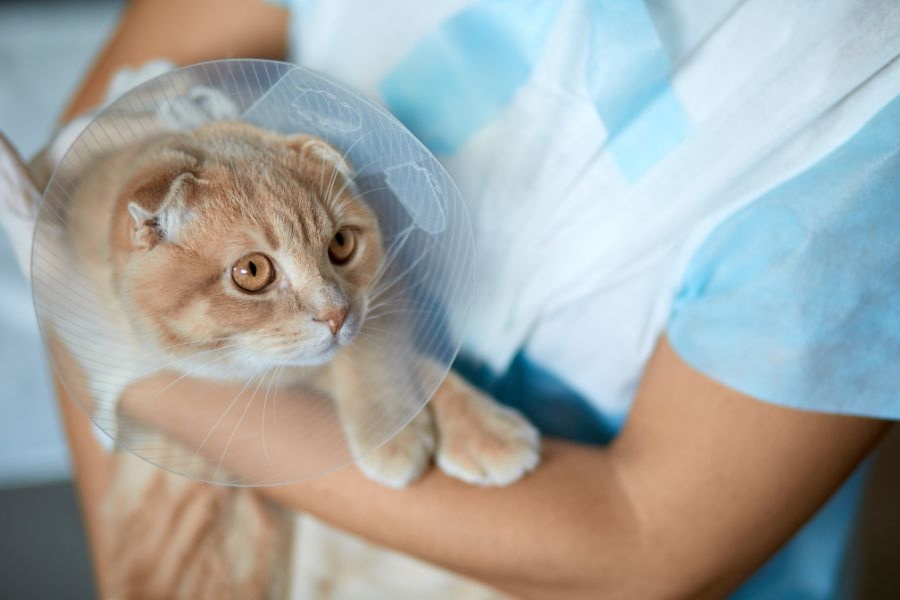
Restrict their movement if necessary. For example, you might consider using a crate or a small, confined space to prevent your cat from overexerting themselves. If your cat is showing signs of agitation or trying to jump, speak to your veterinarian about the possibility of using an Elizabethan collar (also known as an “E-collar”) to prevent them from licking or biting at their surgery site.
Step 3: Follow Medication Instructions Carefully
Your veterinarian will likely prescribe pain medication and possibly antibiotics to help prevent infection. It’s crucial that you follow the exact instructions when administering these medications. Never skip a dose, and make sure you complete the entire course of antibiotics, even if your cat seems to feel better.
If you’re having trouble administering medication, ask your veterinarian for tips. Some cats are more sensitive to pills, so your vet may suggest pill pockets, flavored liquids, or even injections if necessary.
Step 4: Monitor the Surgical Site for Any Issues
One of the most critical aspects of post-surgical care is monitoring the surgical site for signs of infection or complications. Check the area regularly for swelling, redness, or discharge. Mild swelling and redness are typical in the first few days after surgery, but if these symptoms persist or worsen, contact your veterinarian immediately.
Also, keep an eye out for any signs that your cat is licking, chewing, or scratching the incision site. This can lead to infection or delayed healing. If your cat is fixated on the area, it may be time to reintroduce the E-collar or speak with your veterinarian about additional measures.
Step 5: Keep Your Cat Hydrated and Well-Fed
Proper nutrition and hydration are essential for your cat’s recovery. After surgery, your cat may have a reduced appetite, which is completely normal. Offer them a small amount of food to begin with, and try different types of food to see if anything entices them to eat.
Ensure your cat has access to fresh water at all times. Dehydration can slow down the healing process, so keep their water bowl full and place it near their resting area. If your cat isn’t drinking enough, you can try offering water with a syringe (without a needle) or even wet food to boost their hydration.
Step 6: Gradually Reintroduce Physical Activity
As your cat’s recovery progresses, you’ll want to gradually reintroduce normal activities. Start with short, calm play sessions using toys that don’t require much effort or jumping. Always observe how your cat responds to ensure they’re not overexerting themselves.
Your vet will likely provide a timeline for when you can reintroduce more active play or allow your cat to roam freely. Stick to this schedule, as premature activity can lead to setbacks or complications.
Step 7: Schedule Follow-Up Appointments
Most surgeries require follow-up appointments to ensure the healing process is on track. Make sure you attend these appointments and follow your veterinarian’s advice. During these visits, your vet will check the surgical site, adjust any medications, and offer further recommendations for your cat’s recovery.
Even if your cat seems to be recovering well, it’s crucial not to skip these follow-up visits to ensure everything is progressing as expected.
Helping your cat recover after surgery requires patience, care, and attention to detail. By providing a calm, comfortable space, following medication instructions, and monitoring their behavior, you can make a significant difference in their healing process. Keep a close eye on their recovery and don’t hesitate to contact your veterinarian if you have concerns. With the right care, your cat will be back to their playful, healthy self in no time.
For any cat surgery in Sarasota, FL, trust a clinic that combines expertise with compassion to guide your pet through a smooth recovery process.
FAQs
Q1. How long does it take for a cat to recover from surgery?
Ans. The recovery time for a cat depends on the type of surgery. Most cats take about 10 to 14 days to fully recover from minor procedures, while more complex surgeries may take longer.
Q2. Can I give my cat pain medication after surgery?
Ans. Yes, your veterinarian will likely prescribe pain medication to help manage your cat’s discomfort. Be sure to follow the prescribed dosage and timing to ensure effective pain relief.
Q3. What should I do if my cat is not eating after surgery?
Ans. If your cat refuses to eat, try offering them wet food or warming up their food to make it more appealing. If they still refuse to eat after 24 hours, consult your vet.
Q4. How can I prevent my cat from licking the surgical site?
Ans. Using an Elizabethan collar (E-collar) can help prevent your cat from licking or biting the surgical site. Be sure to follow your vet’s recommendations for collar use.
Q5. Is it normal for my cat to be lethargic after surgery?
Ans. Yes, it is normal for your cat to feel tired and groggy for a few days after surgery. However, if your cat’s lethargy persists for more than a week, contact your veterinarian.
Q6. When can I let my cat play after surgery?
Ans. Follow your veterinarian’s advice regarding when it’s safe to reintroduce physical activity. Generally, gentle play can resume after the first few weeks, depending on the type of surgery.