As a responsible pet owner, ensuring the well-being of your furry friend is a top priority. While providing your pet with food, shelter, and love is crucial, regular veterinary checkups play an equally important role in maintaining their health. These checkups are more than just routine visits—they are an essential aspect of proactive pet care. In this post, we will explore why regular veterinary checkups are important for your pet’s health, the benefits they offer, and how they can contribute to a long, happy life for your beloved companion.
Early Detection of Health Problems
One of the main reasons regular veterinary checkups are so important is their ability to detect health issues early. Many serious health conditions, such as heart disease, diabetes, or kidney problems, don’t show symptoms until they’ve reached an advanced stage. By the time symptoms become noticeable, treatment can be more difficult, expensive, and less effective.
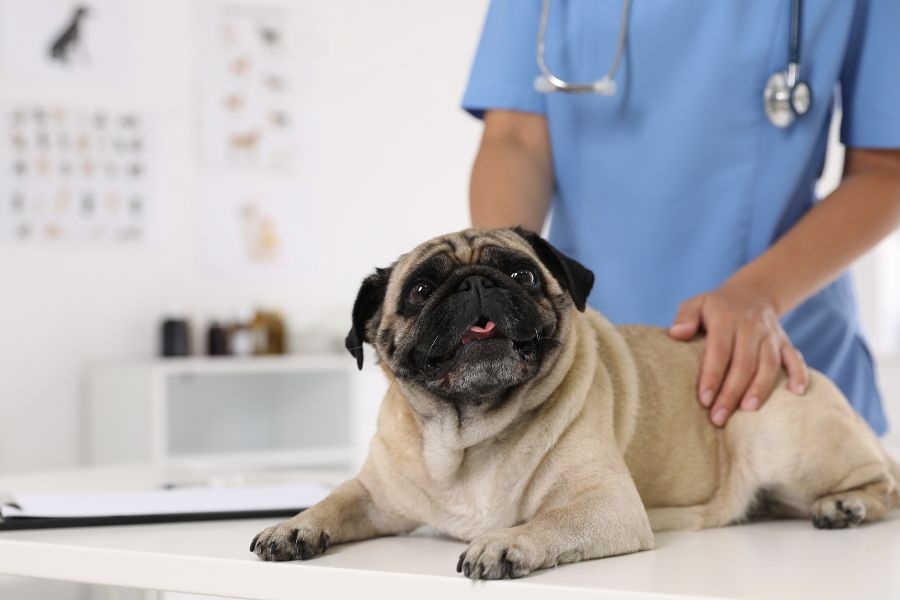
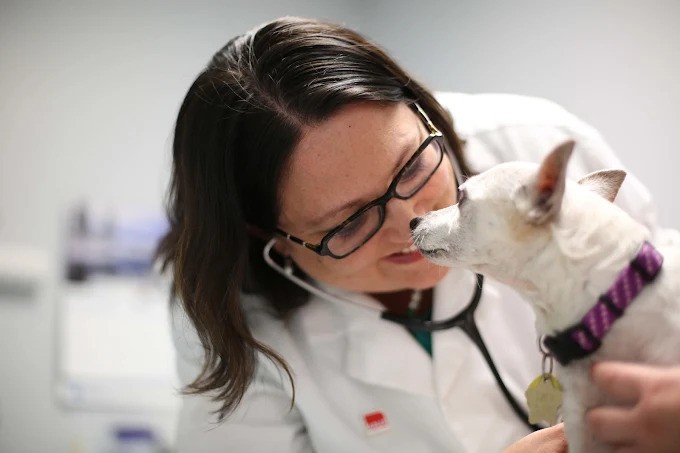
During a routine exam, your veterinarian can perform a thorough physical check, including listening to your pet’s heart and lungs, examining their teeth, checking for lumps or abnormalities, and testing for common illnesses. Early detection of any health problems allows for prompt treatment, often preventing the condition from worsening. In many cases, early intervention leads to a better prognosis and a faster recovery for your pet.
Preventative Care to Avoid Future Issues
Regular checkups are essential for preventive care. Your veterinarian can administer vaccines to protect your pet from potentially dangerous diseases such as rabies, distemper, and parvovirus. In addition to vaccines, regular checkups also include preventive treatments like flea, tick, and heartworm prevention, which can protect your pet from parasites that may cause long-term health problems.
Your veterinarian will also check your pet’s weight and diet during the checkup. Obesity is a growing problem among pets and can lead to conditions like arthritis, diabetes, and cardiovascular disease. By monitoring your pet’s weight and providing dietary recommendations, regular checkups help maintain their ideal body condition and overall health.
Establishing a Baseline for Your Pet’s Health
Just like humans, pets have unique health histories. Regular visits to the veterinarian allow your pet’s health to be monitored over time. These checkups create a baseline of your pet’s health, which becomes invaluable in identifying changes or unusual trends.
For instance, your veterinarian can track your pet’s growth, behavior, and any medical conditions they may have. This historical information allows your vet to make more informed decisions about your pet’s care and helps tailor their treatment to their specific needs. If a health issue does arise later on, the veterinary team can compare your pet’s current condition with their baseline to determine the best course of action.
Building a Stronger Bond with Your Veterinarian
Regular checkups also help build a relationship between your pet and their veterinarian. This bond is important not just for medical reasons but also for your pet’s emotional well-being. Pets are often less anxious during visits when they are familiar with the vet and their clinic.
By maintaining a routine of regular visits, your pet will feel more comfortable with the veterinarian’s office, making each visit less stressful. This familiarity can help your pet stay calm during exams, vaccinations, and treatments. It also allows the veterinarian to better understand your pet’s behavior and temperament, which is important when making care recommendations.
Addressing Behavioral Concerns
Veterinary checkups are not limited to physical health assessments. They also offer an opportunity to discuss behavioral concerns with your veterinarian. If you’ve noticed changes in your pet’s behavior, such as increased aggression, anxiety, or lethargy, a veterinary checkup is the perfect time to address these issues. Your vet can help identify any underlying medical causes for behavioral changes, such as pain, thyroid imbalances, or stress, and provide guidance on how to manage the issue.
In some cases, your veterinarian may refer you to a specialist for behavior training or additional treatments. By addressing behavioral issues early on, you can prevent them from escalating and help your pet live a more balanced and happy life.
Mental Health and Well-Being
Just as physical health is important, so is your pet’s mental and emotional well-being. During regular checkups, your veterinarian will assess your pet’s overall stress levels, anxiety, and emotional health. Mental health issues, such as separation anxiety or fear of certain situations, are common in pets. These issues can negatively impact your pet’s quality of life and can even lead to physical health problems if left unaddressed.
By keeping up with regular checkups, your vet can offer advice on mental health management and provide solutions, such as anxiety medications, calming supplements, or environmental changes, to improve your pet’s emotional state.
In conclusion, regular veterinary checkups are crucial for maintaining your pet’s overall health and well-being. These checkups provide early detection of potential health issues, offer preventive care, and ensure your pet is on track for a long, happy life. With the guidance of a trusted veterinarian, you can address any concerns promptly and keep your pet in the best possible condition.
If you’re in Sarasota, FL, and looking for a reliable veterinarian in Sarasota, FL, visit Animal Medical Clinic of Gulf Gate. Our compassionate team offers comprehensive care, preventive services, and wellness plans to ensure your furry friend stays healthy and happy for many years to come.
FAQs
Q1. How often should I take my pet to the vet for a checkup?
Ans. It’s recommended to take your pet for a veterinary checkup at least once a year. However, older pets or those with health conditions may need more frequent visits.
Q2. What happens during a routine veterinary checkup?
Ans. During a routine checkup, your vet will examine your pet’s overall health, check for any abnormalities, administer vaccines, and discuss preventive care like flea and tick prevention.
Q3. Can regular vet visits help prevent pet obesity?
Ans. Yes, regular vet visits allow for weight monitoring, dietary recommendations, and exercise plans to help prevent obesity and related health conditions.
Q4. Are there any benefits to regular checkups for senior pets?
Ans. Yes, senior pets especially benefit from regular checkups as they are more prone to health issues like arthritis, kidney disease, and dental problems. Regular visits allow for early intervention and improved quality of life.
Q5. What should I do if my pet shows signs of illness between checkups?
Ans. If your pet shows signs of illness between checkups, such as vomiting, diarrhea, or lethargy, contact your veterinarian for advice and possible early intervention.
Q6. How can I reduce stress for my pet during veterinary visits?
Ans. To reduce stress, ensure that your pet is familiar with the clinic by visiting regularly. Additionally, remain calm and positive during the visit to help your pet feel secure.