Neutering is a common and routine surgery performed on male dogs to prevent them from reproducing. It’s an important procedure that helps reduce the risk of certain health issues and behaviors. While neutering is generally a safe procedure, it’s essential for pet owners to understand the recovery process to ensure a smooth healing period for their dogs. In this neutering recovery guide, we’ll walk you through the expected timeline, aftercare tips, and warning signs to watch out for after your dog’s surgery. This guide is especially helpful for pet owners in Sarasota, FL, who want to ensure the best possible care for their furry friends.
Neutering Surgery: What to Expect
Before diving into the recovery process, it’s important to know what happens during neutering surgery. The procedure involves the removal of a male dog’s testicles, which is typically done under general anesthesia. Your dog will be monitored closely during the surgery, and once it’s complete, they will be taken to a recovery area for observation.
Most dogs recover from the surgery fairly quickly, but as with any surgery, proper aftercare is essential to avoid complications. Here’s what you can expect during the recovery process.
Timeline for Neutering Recovery
1. First 24 Hours: Immediate Post-Surgery Care
After your dog has undergone surgery, they will be groggy from the anesthesia. It’s important to provide a quiet, comfortable space for them to rest. For the first 24 hours, your dog may experience some mild discomfort, so your vet may prescribe pain medications to help manage it.
During this period, it’s normal for your dog to be a bit lethargic and less active than usual. Keep them indoors and avoid any strenuous activities. Make sure they have easy access to water and food, but try to avoid feeding them too much right after surgery, as their stomach may still be sensitive.
2. The First Week: Monitoring and Limiting Activity
Over the next several days, you’ll need to monitor your dog closely for any signs of infection or complications. Keep your dog’s activity level low during the first week. Avoid running, jumping, or rough play. Instead, focus on keeping them calm and quiet. You may want to keep them in a crate or a small, confined area to prevent them from overexerting themselves.
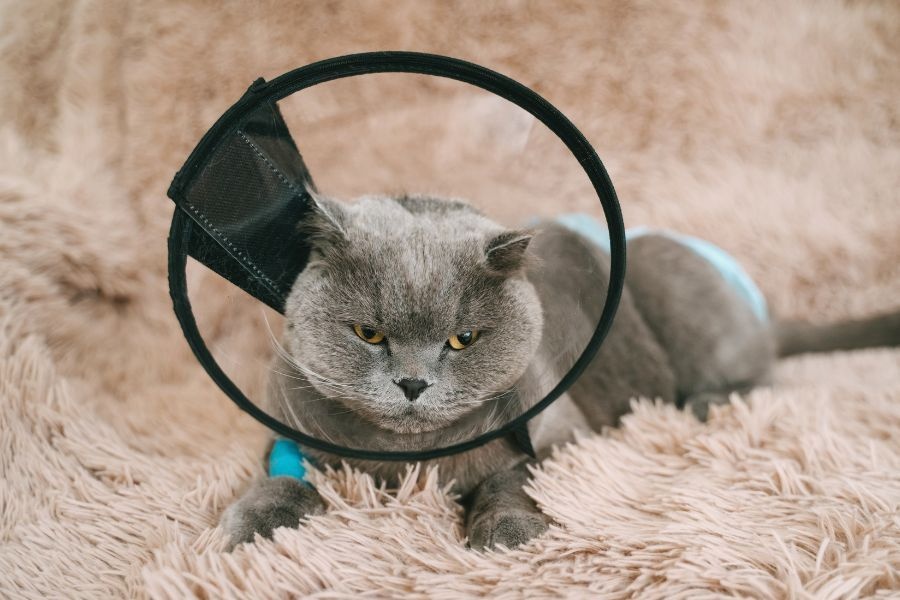
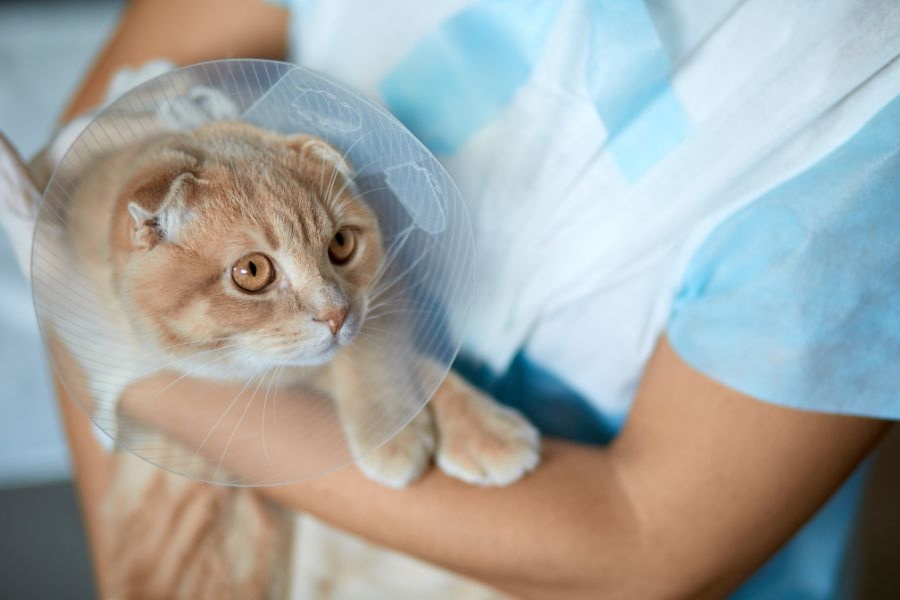
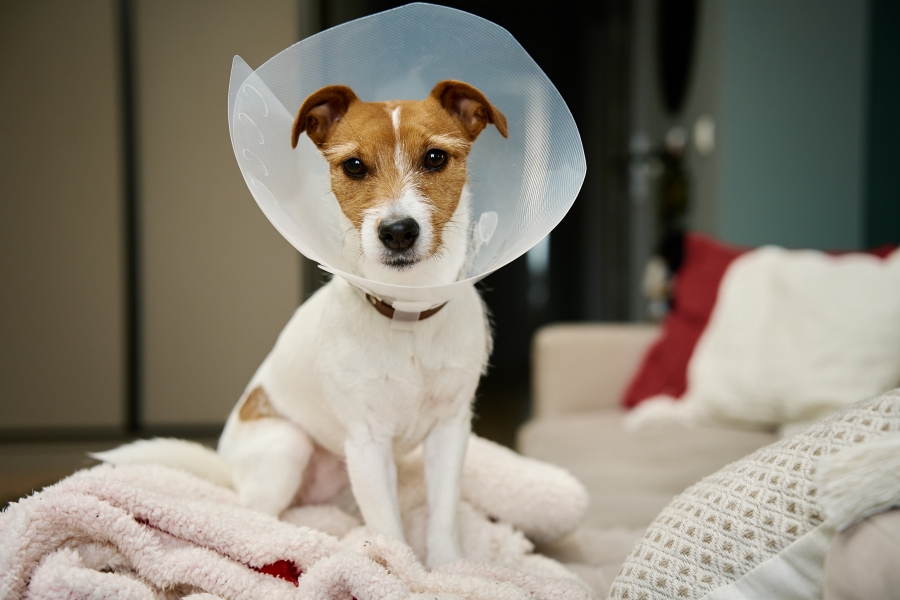
Your dog may also have stitches or surgical glue, which should stay in place for about 7 to 10 days. It’s important to prevent your dog from licking or biting the area, as this could lead to infection. Your vet may recommend using an Elizabethan collar (cone) to help keep them from disturbing the incision site.
3. Weeks 2 to 4: Gradual Return to Normal Activity
As your dog’s incision heals, you can gradually reintroduce normal activities. However, you should still avoid intense exercise or play until your veterinarian gives the go-ahead. At this point, you can start taking your dog on short walks, but avoid running or jumping until they are fully healed.
By the second or third week, the majority of the swelling and discomfort should subside. Your dog should be feeling much better, but you should still watch for any signs of complications, which we’ll discuss below.
Aftercare Tips for a Smooth Recovery
- Provide a Comfortable Resting Area
During recovery, it’s essential to give your dog a quiet and comfortable space to rest. Avoid noisy areas or places where your dog may feel stressed. A soft bed in a calm, safe area is ideal for helping your dog heal.
- Monitor the Incision Site
Check your dog’s incision site daily for any signs of infection, such as redness, swelling, or discharge. If you notice any of these symptoms, contact your vet immediately.
- Prevent Licking or Biting the Incision
It’s important to prevent your dog from licking or chewing the incision site. Not only can this introduce bacteria, but it can also cause the stitches to open. Using an Elizabethan collar (cone) or a recovery suit can help prevent this behavior.
- Follow the Vet’s Instructions on Medications
Your vet will likely prescribe pain medications and possibly antibiotics to help with the recovery process. Make sure to administer them as instructed and finish the full course of antibiotics, even if your dog appears to be feeling better.
- Keep Your Dog’s Environment Clean
Keep your dog’s living area clean and dry to prevent infection. Avoid letting them roll around in dirty or wet areas, as this can introduce bacteria to the incision site.
Warning Signs to Watch Out For
While most dogs recover from neutering without any issues, there are a few warning signs to look out for. If you notice any of the following, contact your vet immediately:
- Excessive Swelling or Redness: Some swelling is normal, but if the area becomes significantly more swollen or red, it could be a sign of infection.
- Discharge from the Incision: Any thick, yellow, or green discharge from the incision site could indicate an infection.
- Lack of Appetite or Vomiting: If your dog refuses to eat or is vomiting, it could be a sign of complications.
- Lethargy or Weakness: While some tiredness is normal, if your dog seems excessively weak or lethargic, it could indicate a problem.
- Difficulty Urinating or Defecating: If your dog has trouble urinating or defecating, it’s important to get them evaluated by your vet.
Neutering is an important step in your dog’s health journey, and with the right care and attention, your dog will recover smoothly. The timeline for recovery can vary, but with patience and proper aftercare, most dogs bounce back in no time. Be sure to monitor your dog closely during the recovery process, follow your vet’s instructions, and contact our veterinarian at Animal Medical Clinic of Gulf Gate if you notice any warning signs. By taking these steps, you’ll help your dog heal safely and comfortably, and they’ll be back to their usual self before you know it.
FAQs
Q1. How long does it take for a male dog to recover from neutering?
Ans. Most dogs take about 10 to 14 days to recover from neutering, though it may take up to 4 weeks for them to return to normal activity levels.
Q2. Can I walk my dog after neutering surgery?
Ans. Short walks are allowed after a few days, but avoid strenuous activities or running for at least 2 weeks.
Q3. What should I do if my dog is licking the incision?
Ans. You can use an Elizabethan collar (cone) to prevent licking and protect the incision from infection.
Q4. Is it normal for my dog to be tired after neutering?
Ans. Yes, tiredness and lethargy are common in the first 24 to 48 hours following surgery as the anesthesia wears off.
Q5. How do I know if my dog’s incision is infected?
Ans. Signs of infection include excessive redness, swelling, discharge, or a foul odor from the incision site.
Q6. Can I bathe my dog after neutering surgery?
Ans. It’s best to avoid bathing your dog for at least 10 to 14 days to allow the incision to heal properly.