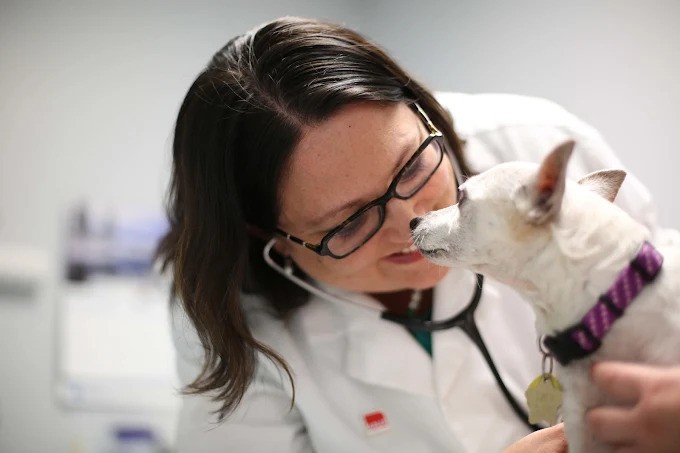
As pet owners, we all want our furry companions to enjoy long, vibrant, and comfortable lives. However, pets cannot tell us when something feels wrong. Therefore, proactive healthcare becomes essential. From routine wellness visits to advanced medical treatments, professional veterinary care plays a critical role in protecting your pet’s health at every stage of life.
In fact, consistent medical attention not only treats illness but also prevents it. Through preventive strategies, early diagnosis, dental support, nutritional counseling, and emergency services, pets gain the opportunity to thrive. This blog is especially for pet parents who want the best care for their companions in Sarasota, FL.
The Power of Preventive Care
Preventive care forms the foundation of long-term pet wellness. Rather than waiting for symptoms to appear, regular checkups allow professionals to detect concerns early. During wellness exams, providers evaluate your pet’s weight, heart function, skin condition, eyes, ears, and teeth. Additionally, they administer core vaccinations and recommend parasite prevention.
As a result, many life-threatening diseases become avoidable. Vaccinations protect pets from rabies, distemper, and parvovirus. Meanwhile, routine screenings identify issues such as heart murmurs or abnormal weight changes before they escalate.
Preventive care also reduces long-term expenses. When problems are caught early, treatments are often less invasive and more affordable. Consequently, pets experience less discomfort and owners gain peace of mind.
Early Diagnosis Improves Outcomes
Early detection significantly increases the chances of successful treatment. Many conditions, including kidney disease, diabetes, thyroid disorders, and certain cancers, progress silently. Without testing, these illnesses may go unnoticed until they reach advanced stages.
Through diagnostic tools such as blood work, urinalysis, digital X-rays, and ultrasound imaging, veterinarians can uncover hidden problems. This proactive approach allows for timely intervention. For example, managing diabetes early with diet and insulin therapy can help pets live full and active lives.
Furthermore, routine lab work establishes a baseline for your pet’s health. Over time, subtle changes become easier to detect. Therefore, annual or biannual screenings are not optional—they are vital.
Dental Health Protects the Entire Body
Dental disease affects a large percentage of adult pets. Unfortunately, many owners underestimate its impact. Plaque buildup leads to tartar formation, gum inflammation, and infection. If left untreated, bacteria can enter the bloodstream and damage organs such as the heart and kidneys.
Professional dental cleanings remove plaque and tartar from above and below the gumline. Additionally, oral exams detect fractured teeth or hidden infections. By addressing dental concerns promptly, pets avoid chronic pain and systemic complications.
At home, owners can support oral hygiene through brushing and dental diets. However, professional cleanings remain essential for complete protection.
Proper Nutrition and Weight Management
Nutrition directly influences lifespan and quality of life. A balanced diet supports strong muscles, healthy joints, and optimal organ function. However, not all pets require the same food. Age, breed, activity level, and medical history all matter.
During wellness visits, veterinarians assess body condition and recommend tailored dietary plans. For example, puppies need growth-focused nutrition, while senior pets may benefit from joint-support formulas. Likewise, pets with allergies or kidney disease require specialized diets.
Weight management deserves special attention. Obesity increases the risk of arthritis, heart disease, and diabetes. Therefore, maintaining an ideal weight significantly improves mobility and longevity. By following portion guidelines and exercise recommendations, pet owners can prevent avoidable complications.
Chronic Disease Management
As pets age, chronic conditions may develop. Arthritis, heart disease, kidney failure, and endocrine disorders become more common in senior years. Although these illnesses cannot always be cured, they can be managed effectively.
With proper medication, dietary adjustments, and routine monitoring, pets with chronic conditions can maintain comfort and independence. For instance, joint supplements and anti-inflammatory medications improve mobility in arthritic pets. Similarly, heart medications help regulate blood pressure and cardiac function.
Regular follow-up appointments ensure that treatments remain effective. Adjustments can be made as needed, preventing complications and maintaining stability.
Emergency and Surgical Care
Despite preventive efforts, emergencies still occur. Accidents, toxin exposure, allergic reactions, or sudden illnesses require immediate attention. In these moments, access to skilled professionals makes a life-saving difference.
Emergency interventions may include surgery, fluid therapy, oxygen support, or hospitalization. Quick action often determines recovery outcomes. Therefore, having a trusted clinic prepared for urgent care provides reassurance.
Surgical procedures also play an important role in preventive health. Spaying and neutering reduce cancer risks and prevent reproductive complications. Additionally, mass removals or corrective surgeries improve long-term comfort.
Behavioral and Emotional Well-Being
Physical health represents only part of the picture. Emotional well-being also affects longevity. Anxiety, stress, and behavioral challenges can weaken the immune system and reduce quality of life.
Veterinary professionals often guide owners through behavior concerns. Whether addressing separation anxiety, aggression, or compulsive behaviors, early intervention helps restore balance. In some cases, medication or specialized training recommendations may be necessary.
By supporting both physical and emotional health, pets experience a more fulfilling life.
Senior Pet Wellness
Senior pets require more frequent monitoring. As metabolism slows and immune function declines, age-related conditions become more likely. Biannual checkups allow providers to detect subtle changes early.
Additionally, senior wellness plans may include blood pressure monitoring, dental evaluations, arthritis assessments, and cognitive screenings. These proactive measures help aging pets remain comfortable and active for as long as possible.
Building a Lifelong Partnership
Long-term wellness depends on consistent communication between pet owners and their care providers. When concerns arise, asking questions and scheduling evaluations promptly prevents small issues from escalating.
At Animal Medical Clinic of Gulf Gate, the focus remains on comprehensive, compassionate care. By combining advanced medical knowledge with personalized attention, the team supports pets throughout every stage of life.
For families in Sarasota, FL, having access to dedicated veterinarians ensures pets receive the care they deserve. Through prevention, early detection, and expert treatment, pets gain the best chance at longevity.
Why Routine Visits Matter More Than You Think
Some pet owners postpone appointments when their pets appear healthy. However, visible symptoms often emerge late in disease progression. Routine visits identify hidden risks before they become emergencies.
Moreover, wellness exams strengthen the human-animal bond. When pets feel well, they engage more actively with their families. As a result, they enjoy a higher quality of life.
A Commitment to Lifelong Health
Helping pets live longer requires dedication, education, and teamwork. From vaccinations and nutrition counseling to advanced diagnostics and surgery, professional care touches every aspect of well-being.
Ultimately, veterinarians serve as advocates for animals who cannot speak for themselves. Their expertise transforms preventive measures into life-extending strategies.
If you are in Sarasota and looking for a veterinarians near you, book an appointment with Animal Medical Clinic of Gulf Gate. Our veterinary team is committed to helping your pet live a longer, healthier, and happier life.
FAQs
Q1. How often should I schedule wellness visits for my pet?
Ans. Most pets should visit once a year. However, senior pets or those with medical conditions may need checkups every six months.
Q2. Can early testing really extend my pet’s life?
Ans. Yes. Early detection allows for prompt treatment, which often slows disease progression and improves long-term outcomes.
Q3. What vaccinations does my pet need?
Ans. Core vaccines typically include rabies and distemper-based vaccines. Your provider will recommend additional vaccines based on lifestyle and risk factors.
Q4. How can I tell if my pet is overweight?
Ans. Look for difficulty feeling ribs, reduced activity, or weight gain around the abdomen. A professional evaluation provides the most accurate assessment.
Q5. Do dental cleanings require anesthesia?
Ans. Yes. Anesthesia ensures a thorough cleaning below the gumline and allows for safe examination of each tooth.
Q6. What should I do during a pet emergency?
Ans. Contact your veterinary clinic immediately. Quick action improves the chances of a successful recovery.