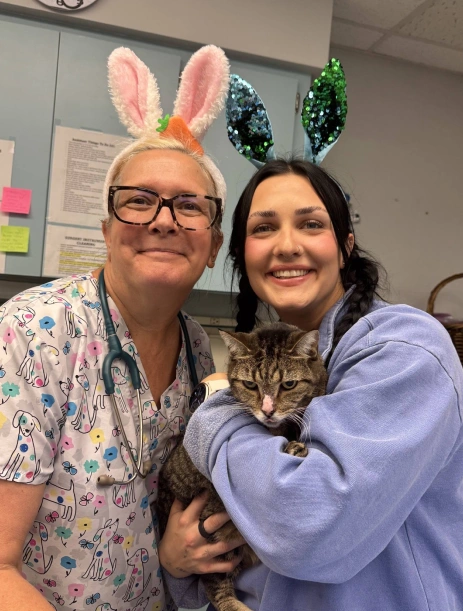
Caring for Your Cat Starts Before Problems Begin
At Animal Medical Clinic of Gulf Gate, we believe that keeping your cat healthy should always start before illness appears. Many serious health issues can be avoided or managed early with the right approach to routine care. Cats are often very good at hiding discomfort, which makes regular checkups and preventive steps even more important for their long-term health and happiness.
Our approach to cat preventive care in Sarasota focuses on building a strong health foundation for your feline companion at every stage of life. Whether you have a playful kitten or a calm senior cat, proactive care helps reduce risks and supports a longer, more comfortable life.
What is Cat Preventive Care and Why Does It Matter
Preventive care for cats means taking steps to protect your pet from illness rather than treating problems only after they appear. It focuses on early detection, regular monitoring, and lifestyle support to maintain overall wellness.
Cats age faster than humans, and small health changes can become serious conditions if they are not caught early. Regular visits allow veterinarians to track patterns, notice changes, and address concerns before they grow into painful issues.
This type of care also helps improve your cat’s quality of life. A healthy cat tends to be more active, more social, and more comfortable in daily activities. Cat preventive care is not just about avoiding illness, but also about helping your pet thrive every single day.
Core Components of Preventive Care for Cats
Preventive care is not just a single service but a comprehensive plan that covers various aspects of your cat’s health. Each part plays an important role in keeping your pet safe and comfortable throughout the year.
Routine Wellness Exams
Regular wellness exams are the foundation of good health for your cat. These visits allow the veterinarian to check your cat’s weight, coat condition, eyes, ears, and overall physical health. Even subtle changes can provide early clues about underlying issues.
During these exams, the vet may also discuss behavior, appetite, and activity levels. These conversations help build a complete picture of your cat’s well-being and allow for personalized care recommendations.
Vaccinations That Protect Against Disease
Vaccinations are an important part of protecting your cat from serious and contagious diseases. Even indoor cats can be at risk due to environmental exposure or unexpected situations. The veterinarian will recommend a vaccination schedule based on your cat’s age, lifestyle, and health history.
Core vaccines for cats include:
- FVRCP vaccine: Protects against feline viral rhinotracheitis, calicivirus, and panleukopenia, which are common and highly contagious diseases that can become serious without protection.
- Rabies vaccine: Required by law in many areas and protects against a fatal virus that can affect both pets and humans through bites or exposure.
Non-core vaccines for cats include:
- FeLV vaccine: Recommended for cats at risk of exposure to feline leukemia virus, especially those that go outdoors or live with other cats that may carry infections.
Complete Wellness Support for Cats
Comprehensive wellness care helps protect your cat’s long-term health through parasite prevention, dental care, microchipping, and proper nutrition. Routine preventive care supports comfort, safety, healthy weight management, and overall well-being.
Parasite Prevention and Control
Parasites can affect your cat’s comfort and health in many ways. These unwanted organisms can live on your cat’s body or inside their system, causing irritation, illness, and long-term health problems if not addressed early. Regular prevention is the best way to keep your cat safe and comfortable throughout the year.
Common parasites that affect cats include:
- Fleas: Tiny insects that cause itching, skin irritation, and can lead to allergic reactions or infections if left untreated.
- Ticks: External parasites that attach to the skin and can transmit harmful diseases through their bites.
- Heartworms: Dangerous parasites spread by mosquitoes that can affect the heart and lungs, even in indoor cats.
- Roundworms: Intestinal parasites that can cause digestive issues, weight loss, and poor overall health.
- Hookworms: Small parasites that attach to the intestinal lining and may lead to anemia and weakness.
- Tapeworms: Long intestinal parasites often linked to flea infestations and can cause discomfort and digestive problems.
Preventive treatments are simple and effective ways to protect your cat year-round. Keeping your cat on a regular prevention plan helps reduce risks and supports long-term health.
Dental Health and Oral Care
Dental care is often overlooked, but it plays a major role in your cat’s overall health. Poor oral hygiene can lead to gum disease, tooth loss, and even infections that affect internal organs.
Routine dental checks and cleanings help prevent buildup and detect problems early. Good oral health can improve your cat’s comfort, appetite, and overall quality of life.
Microchipping for Permanent Identification
Microchipping is a simple and effective way to ensure your cat can be identified if they ever become lost. The procedure involves placing a small chip under your cat’s skin, which contains a unique identification number linked to your contact information.
Unlike collars or tags, a microchip cannot fall off or be removed easily, making it a reliable form of identification that lasts for your cat’s entire life.
If your cat is ever found, a veterinary clinic or shelter can scan the chip and contact you quickly. Microchipping provides peace of mind and increases the chances of a safe reunion if your pet goes missing.
Nutrition and Weight Management for Long-Term Health
A balanced diet is one of the most important parts of keeping your cat healthy. Proper nutrition supports strong immunity, healthy organs, and steady energy levels. Every cat has different dietary needs based on age, weight, and activity level.
Overfeeding or feeding low-quality food can lead to obesity, which increases the risk of diabetes, joint problems, and heart issues. Maintaining a healthy weight helps your cat stay active and reduces stress on their body.
The veterinarian can help you choose the right food and portion sizes. They may also recommend dietary adjustments if your cat has specific health needs or conditions.
Early Detection Through Diagnostic Screening
Many health problems develop slowly and do not show clear symptoms in the early stages. Diagnostic testing allows veterinarians to detect changes before they become serious issues.
Common screening tests may include:
- Blood work: Helps evaluate organ function and detect hidden diseases early.
- Urine testing: Provides insight into kidney health and urinary tract conditions.
- Fecal exams: Identify intestinal parasites that may not be visible.
- Imaging tests: Allow a closer look at internal structures if needed.
These tests are especially important for senior cats, as they are more likely to develop age-related conditions. Early detection often leads to better outcomes and more effective treatment options.

Prevention of Serious Illnesses at Every Life Stage
Cats have different health needs as they grow and age. A personalized care plan ensures that your cat receives the right support at every stage of life.
Kittens
Kittens need frequent visits for vaccinations, growth monitoring, and early social development, which is important for building a strong foundation for health and preventing future problems.
Adult Cats
Adult cats benefit from regular checkups to maintain their health and detect any changes early. Preventive care for cats during this stage focuses on stability and long-term wellness.
Senior Cats
Senior cats require more frequent monitoring due to increased health risks. Routine screenings and adjustments to diet and lifestyle help manage age-related conditions and maintain comfort.
Signs Your Cat May Need Immediate Attention
Even with regular preventive care, it is important to recognize signs that may indicate a problem. Early action can prevent complications and improve outcomes.
Watch for changes such as:
- Loss of appetite: May signal underlying illness or discomfort.
- Unusual behavior: Includes hiding, aggression, or sudden withdrawal.
- Weight changes: Can indicate metabolic or digestive concerns.
- Litter box issues: May suggest urinary or digestive problems.
- Excessive grooming: Could point to skin issues or stress.
If you notice any of these signs, it is best to contact the veterinarian for guidance.
A Healthier Future Starts With Simple Steps
Preventive care does not have to be complicated. Small, consistent actions can make a big difference in your cat’s health over time. Regular visits, proper nutrition, and a safe environment all work together to support long-term wellness. Taking a proactive approach helps reduce stress for both you and your pet. It also allows you to enjoy happier and healthier years together.
Your cat depends on you to make the best choices for their health and well-being. Our cat preventive care in Sarasota takes an important step toward a longer and healthier life for your pet.
Contact Animal Medical Clinic of Gulf Gate today to schedule a visit and give your cat the attention they need to stay healthy and happy. We are here to support you every step of the way with compassionate and personalized care.
Frequently Asked Questions
Most cats should visit the veterinarian at least once a year for a wellness exam. Senior cats or those with health conditions may need more frequent visits to ensure proper monitoring and care.