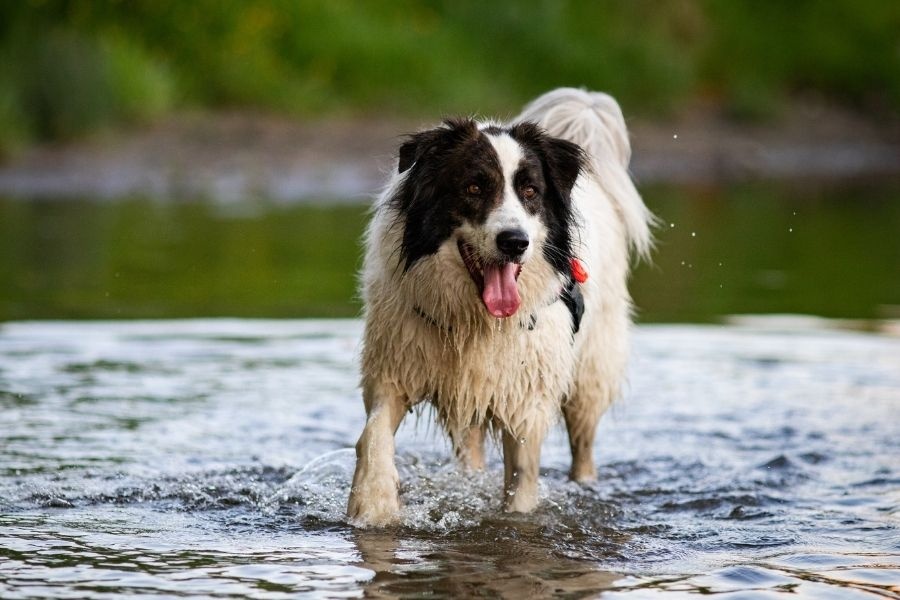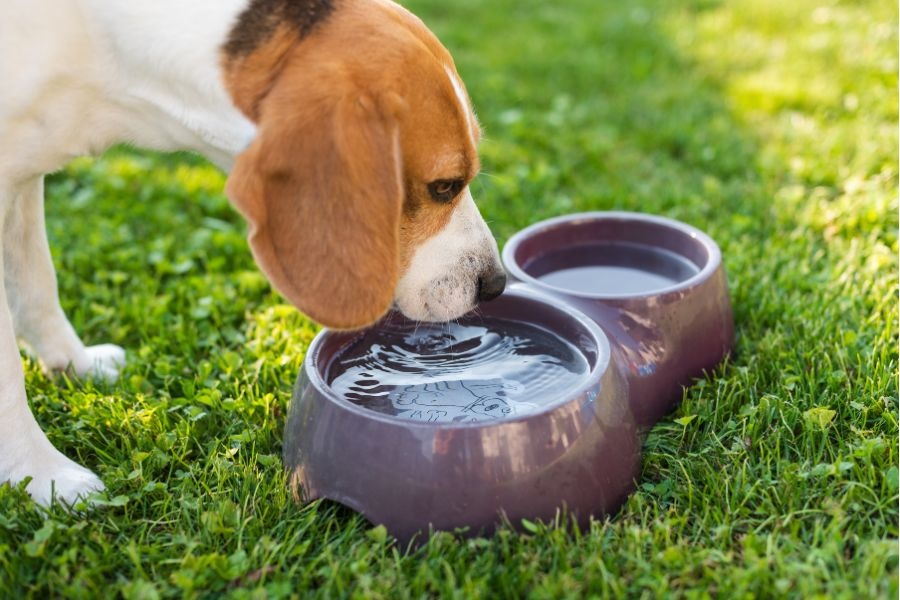
Your pet is panting more. Their water bowl empties faster. You refill it, wonder if that is normal, and keep moving. Most pet owners never stop to ask whether their pet is actually drinking enough. The answer matters more in summer than at any other time of year. Heat increases your pet’s fluid needs significantly, and falling short of those needs can lead to serious health problems faster than you might expect. Dog water intake in summer is one of the most overlooked aspects of warm-weather pet care. This guide breaks down exactly how much water dogs and cats need during hot months, what signs tell you something is wrong, and what you can do right now to keep your pet safe.
How Much Water Does My Dog or Cat Need Each Day?
Dogs need approximately one ounce of water per pound of body weight each day. During summer heat or after exercise, that number increases. A 50-pound dog needs at least 50 ounces of fresh water daily, and often more.
Cats need roughly the same per pound, though they tend to drink less overall. A 10-pound cat needs a minimum of 10 ounces of water per day. Cats on wet food diets get a portion of their water from meals, which helps.
These are baselines. Puppies, kittens, senior pets, and animals with health conditions may need more. If you are unsure whether your pet is hitting these targets, tracking water bowl refills for a few days is a simple place to start.
Signs of Pet Dehydration to Watch For
Dehydration in dogs and cats can develop quickly in Florida’s heat. These are the signs of pet dehydration that should prompt a call to your nearest veterinarian:
- Dry or tacky gums: Healthy gums should feel moist and slippery. Gums that feel sticky or dry are a red flag.
- Skin tenting: Gently pinch the skin at the back of the neck. If it doesn’t spring back immediately, your pet may be dehydrated.
- Sunken eyes: Eyes that appear dull or recessed often signal significant fluid loss.
- Lethargy: A pet that is unusually slow, uninterested in play, or reluctant to move may be struggling with fluid loss.
- Reduced urination: If your pet is going to the bathroom less than usual, their body may be conserving water due to low intake.
- Thick saliva or excessive panting: Both indicate the body is working hard to regulate temperature without enough fluid.
In our experience, many pet owners notice these signs and assume their pet is simply tired from the heat. Dehydration and heat exhaustion share symptoms, and both require prompt veterinary attention. If you see two or more of these signs together, don’t wait.
Why Summer Heat Changes Everything for Pets
Pets don’t sweat the way people do. Dogs regulate heat primarily through panting, which expels moisture rapidly. Cats groom themselves more in the heat, which also accelerates moisture loss. Both processes demand a constant supply of water to work properly.
In Florida, where humidity compounds heat, pets lose fluids faster than in drier climates. The combination of high temperatures and high humidity means your pet’s body is under more stress for longer stretches of the day. A dog that needs 40 ounces of water on a mild spring day may need 60 or more on a hot July afternoon in Sarasota.
Cat water needs in summer are often underestimated because cats seem self-sufficient. Many cats will quietly become mildly dehydrated before showing obvious signs. Running a water fountain instead of a standard bowl can meaningfully increase a cat’s daily intake. Cats are attracted to moving water, and that simple change often makes a measurable difference.
Pet owners often tell us they didn’t realize how much more water their cat actually needed until they switched to a fountain and saw how often their cat started drinking.
Practical Tips to Keep Pets Hydrated in the Heat
Knowing the target is one thing. Hitting it consistently takes a little strategy. These steps help keep pets hydrated in the heat throughout summer:
- Place multiple water bowls around the home. The more access points, the more your pet drinks. One bowl in a house is rarely enough.
- Refresh water at least twice daily. Warm, stale water is unappealing. Fresh, cool water encourages pets to drink more consistently.
- Add ice cubes to the bowl. Most dogs love cold water in summer, and the ice slows the warming process on hot days.
- Bring water on every outdoor trip. Even short walks in summer heat can raise your pet’s core temperature. A collapsible travel bowl takes up almost no space.
- Switch to wet food or add water to dry food. Wet food is roughly 70 to 80 percent water. This is one of the easiest ways to increase total daily fluid intake for both dogs and cats.
- Avoid exercising pets during peak heat hours. Walking your dog before 9 a.m. or after 6 p.m. reduces how much they need to pant and slows fluid loss.
We frequently remind pet owners in Sarasota that midday heat from June through September is intense enough to cause heat-related illness in under 20 minutes for certain breeds. Brachycephalic breeds like bulldogs, pugs, and Persian cats are especially vulnerable because their airways are less efficient at cooling.
When Low Water Intake Points to a Bigger Problem
Sometimes a pet that isn’t drinking enough isn’t just hot. Reduced water intake can signal an underlying medical condition. Kidney disease, diabetes, dental pain, and nausea can all cause pets to drink less than they should.
On the flip side, a sudden increase in how much water a dog needs can also indicate disease. Pets drinking dramatically more than usual, especially paired with increased urination, should be seen by a veterinarian. These are recognized signs of diabetes, Cushing’s disease, and kidney problems.
Keeping a loose mental note of your pet’s normal drinking habits makes it much easier to catch changes early. A log doesn’t need to be formal. Just knowing whether your dog usually empties the bowl once or twice a day gives you a baseline to compare against.
Animal Medical Clinic of Gulf Gate sees a notable increase in dehydration and heat-related visits each summer. Catching the issue early, before a pet reaches moderate or severe dehydration, leads to faster recovery and less stress for both pet and owner.
Conclusion
Understanding your pet’s hydration needs is one of the most direct ways to protect their health through the summer months. Dog water intake in summer increases with temperature, activity level, and humidity, and the same is true for cats. Watch the signs, stay proactive with fresh water access, and don’t hesitate to call your veterinarian if your pet seems off. In Florida summers, dehydration can escalate quickly. Staying ahead of it keeps your pet comfortable, active, and healthy all season long. If you have concerns about your pet’s hydration or overall summer wellness, the team at Animal Medical Clinic of Gulf Gate is here to help. Book an appointment today.
Frequently Asked Questions
Q: How much water should a dog drink per day in summer?
Ans: Dogs need approximately one ounce of water per pound of body weight each day, and that amount increases during summer heat or physical activity. A 40-pound dog needs at least 40 ounces, often more on hot days. If your dog is drinking noticeably more or less than usual, a vet visit is a good idea.
Q: How can I tell if my cat is dehydrated?
Ans: Check your cat’s gums. They should feel moist and slippery. Dry or sticky gums, skin that doesn’t spring back when pinched, and lethargy are the most common signs of dehydration in cats. If you notice these signs, contact your veterinarian promptly.
Q: Can I add water to my dog’s dry food to help with hydration?
Ans: Yes, adding water to dry food is a simple and effective way to increase your pet’s daily fluid intake. Start with a small amount and adjust based on your dog’s preference. Wet food is another good option, as it contains significantly more moisture than kibble.
Q: What should I do if my pet shows signs of heat stroke?
Ans: Move your pet to a cool, shaded area immediately and offer fresh water. Apply cool (not cold) wet towels to the neck, armpits, and paw pads, then get to your veterinarian as quickly as possible. Heat stroke can become life-threatening rapidly, so do not delay.
Q: Do cats need more water in summer?
Ans: Yes. Cat water needs in summer rise because cats lose moisture through grooming and respiration, both of which increase in heat. Using a pet water fountain, offering wet food, and keeping water bowls in multiple locations are the most effective ways to ensure your cat drinks enough during warm months.