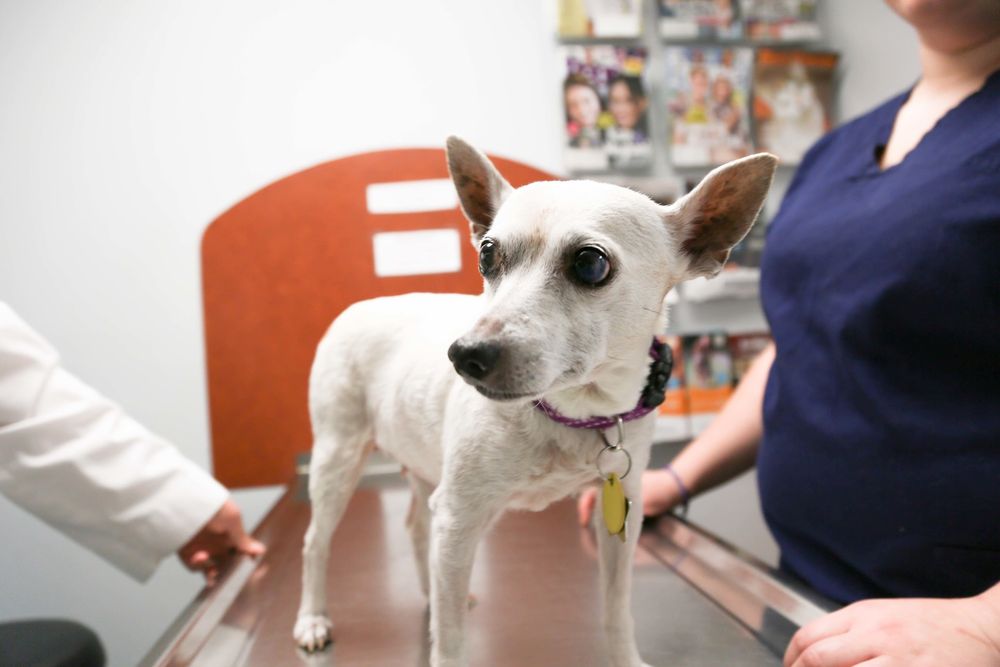
Finding a trusted local vet is one of the most important decisions a pet owner will ever make. Your pet cannot tell you what hurts or what feels wrong. You need a veterinarian who listens, explains, and treats your pet like their own. Yet with so many options available, many pet owners wonder what separates a clinic they can rely on from one they simply tolerate. The answer comes down to a combination of consistency, communication, and genuine care. This article breaks down the top reasons pet owners build lasting trust with their local veterinary team and what to look for when choosing the right clinic for your pet.
What Makes a Local Vet Trustworthy?
A trustworthy veterinarian is one who gives you honest answers, even when those answers are hard to hear. They explain your pet’s condition in plain language. They do not rush through appointments. They follow up after procedures and remain accessible when you have questions.
Pet owners often tell us they knew they found the right clinic the moment they felt heard. Trust is not built in a single visit. It grows through consistency, transparency, and genuine concern for your animal’s well-being.
Research shows that pet owners who maintain a consistent relationship with one veterinary practice are more likely to bring their pets in for preventive care. That early attention catches problems before they become serious.
How Personalized Care Builds Long-Term Confidence
Every pet is different. A 7-year-old Labrador with joint stiffness needs a very different conversation than a 3-month-old kitten coming in for her first visit. Pet owners trust vets who recognize that difference and adjust their approach accordingly.
In our experience, the strongest client relationships form when veterinarians remember small details. They recall that your dog is anxious around strangers or that your cat responds better when the exam table is kept warm. Those details matter.
Personalized care also means honest conversations about pet health care tips that actually fit your lifestyle. Broad generic advice does not help a pet owner living in a small apartment with a senior dog. Tailored guidance does.
When a vet invests that level of attention, pet owners stop shopping around. They stop searching for a local vet near me every time a new concern comes up. They already know where to go.
Signs You Have Found the Right Veterinary Practice
Not all clinics deliver the same standard of care. Knowing what to look for protects both you and your pet.
Here are the signs of a good vet and clinic to watch for:
- Clear communication: Your vet explains diagnoses and treatment options without being condescending or using confusing medical language.
- No pressure decisions: You never feel rushed into a procedure. Your vet presents options and respects your choice.
- Thorough physical exams: Every visit includes a nose-to-tail assessment, not just a quick look at the presenting complaint.
- Transparent follow-up: After surgeries or treatments, someone from the clinic checks in to see how your pet is recovering.
- A calm environment: Staff handle animals gently. Anxious pets are given time to settle before examinations begin.
Many dogs we see at routine wellness visits show early signs of conditions their owners had not yet noticed. A thorough, unhurried exam catches those findings early, when treatment is simpler and outcomes are better.
What to Expect During a Veterinary Visit That Earns Your Trust
Knowing what a high-quality appointment looks like helps pet owners recognize the standard they deserve.
- Check-in and history review. Staff gather updated information about your pet’s diet, behavior changes, and any concerns since the last visit.
- Weight and vitals. A full set of baseline measurements is recorded before the vet enters the room.
- Head-to-tail physical exam. The veterinarian checks teeth, eyes, ears, skin, heart, lungs, abdomen, and limbs systematically.
- Open discussion. You ask questions. The vet answers without glancing at the clock.
- Clear written summary. You leave with a record of findings, next steps, and any follow-up schedule.
In Sarasota, pet owners have access to year-round veterinary care without the seasonal access gaps common in some regions. That consistency allows for tighter monitoring of chronic conditions and better long-term outcomes.
Choosing a Vet for Pets: What Experienced Pet Owners Know
Pet owners who have been through health scares with an animal learn quickly that choosing a vet for pets is not about proximity alone. It is about relationships.
One of the most common misconceptions we hear is that any licensed vet is interchangeable. In reality, the depth of care, the communication style, and the clinic’s commitment to staying current with veterinary medicine vary considerably from practice to practice.
Experienced pet owners look for a clinic that invests in continuing education for its team. They look for a facility that keeps records carefully and coordinates care when a specialist referral is needed. They look for a team that treats the pet owner as a partner, not just a customer.
In Florida, the warm, humid climate creates specific health considerations for pets. Parasites stay active year-round. Skin and ear conditions are common. A local vet familiar with these regional patterns will screen for them proactively, not reactively.
Searching for vet near me is just the starting point. The real question is which clinic will still be your partner five, eight, or ten years from now. Animal Medical Clinic of Gulf Gate has built exactly that kind of long-term relationship with pet owners across the Sarasota area, providing consistent, compassionate care at every stage of a pet’s life.
Why Consistency in Veterinary Care Matters Most
Pet health care tips are most effective when given by a vet who knows your pet’s full history. A single-visit clinic can treat a symptom. A consistent veterinary team can recognize a pattern.
Pets benefit enormously from seeing the same veterinary team over time. Baseline values from prior visits become the reference point for detecting subtle changes. Behavioral history helps distinguish a new anxiety from a chronic one. Vaccination and preventive care records stay accurate and complete.
A trusted local vet does more than treat illness. They track your pet’s life, weight trends, dental health, and age-related changes across years of visits. That longitudinal picture is something no urgent care drop-in can replicate.
Trust in a veterinarian is earned through repeated honest interactions, clear communication, and genuine care for the animal on the table. Pet owners who find that trusted local vet tend to keep them for life. At Animal Medical Clinic of Gulf Gate, our team is committed to being that long-term partner for every pet and every family we serve in Sarasota. Book an appointment today.
Frequently Asked Questions
Q: How do I know if I can trust my local vet?
Ans: A trustworthy vet communicates clearly, performs thorough exams, and never rushes you through appointments. If your vet explains findings in plain language and follows up after procedures, those are strong signs of a reliable practice.
Q: What are the signs of a good vet for my dog or cat?
Ans: Look for a vet who conducts a complete physical exam at every visit, listens to your concerns without dismissing them, and explains your options before recommending treatment. A good clinic also maintains detailed records and reaches out after significant procedures.
Q: Why is it better to stick with one vet instead of switching around?
Ans: Consistent veterinary care allows your vet to track your pet’s baseline health over time. Changes in weight, behavior, or lab values are easier to catch when compared against a documented history from the same practice.
Q: How often should I bring my pet to the vet?
Ans: Most healthy adult pets benefit from at least one wellness exam per year. Senior pets and those with chronic conditions may need visits every six months. Your veterinarian will recommend the right schedule based on your pet’s age and health status.
Q: What should I bring to my first vet appointment?
Ans: Bring any prior vaccination records, a list of current medications or supplements, and notes on any behavioral or physical changes you have noticed. If your pet takes a prescription diet, bring the packaging so your vet can review the ingredients.
Related Articles