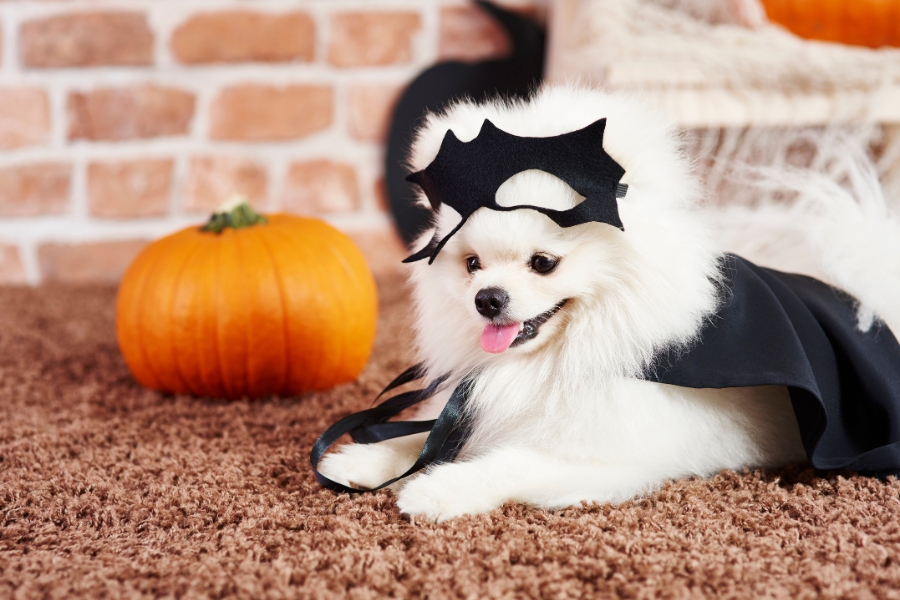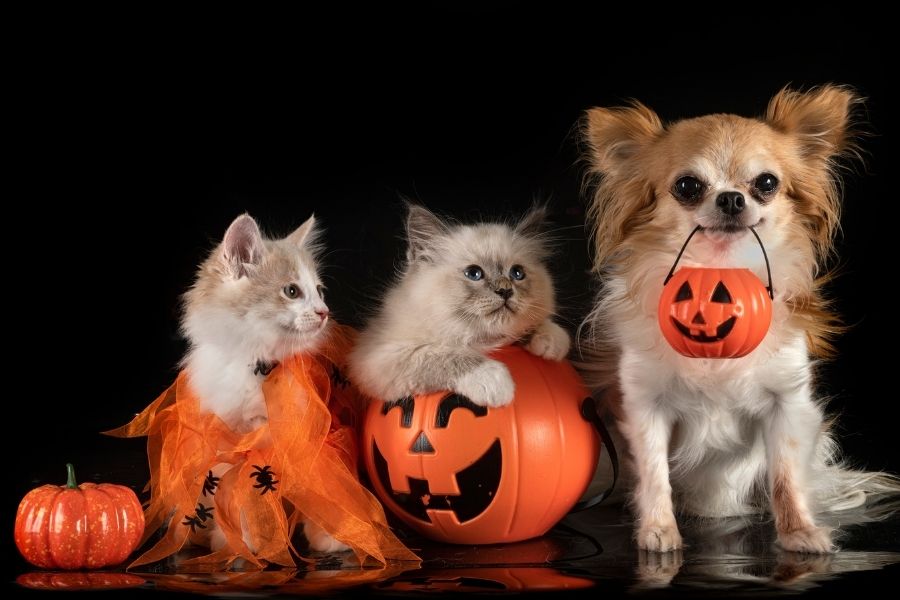
Halloween is a holiday most people love, but pets are rarely designed with it in mind when the planning begins. The candy is toxic, the decorations are hazardous, the doorbells are relentless, and the costumes are often more for the owner than the animal. Finding genuine pet-friendly Halloween celebration ideas that actually work for both the human and the pet in the household takes a little thought, but the result is a holiday your dog or cat can genuinely participate in rather than one they simply endure. Dogs and cats experience their world through scent, routine, and the presence of their people. A Halloween celebration built around those things is one your pet will actually enjoy. This guide covers practical, fun, and safe ways to bring your pet into the holiday in a way that matches what they genuinely like, not just what looks good in a photo.
What Pets Actually Enjoy About Halloween (and What They Don’t)
Before planning anything, it helps to understand the Halloween experience from your pet’s perspective. Dogs are social, scent-driven, and responsive to activity and engagement. They enjoy novelty when it is introduced gently and paired with positive associations. Cats are territorial, routine-dependent, and highly sensitive to environmental change. What feels festive to a human can feel threatening to a cat.
Safe halloween activities for dogs tend to involve scent, movement, food rewards, and interaction with their people. A costumed stranger ringing the doorbell repeatedly is not fun for a dog. A nose-work game with a Halloween theme involving treats hidden around the house is. The distinction is between passive exposure to a chaotic environment versus active engagement in something structured and rewarding.
For cats, halloween fun for cats at home is most effective when it is quiet, self-directed, and does not require the cat to interact with guests, wear anything, or navigate a space that has been heavily rearranged by decorations. Providing enrichment in a calm room, new textures to explore, and something that engages their hunting instincts is genuinely enjoyable for a cat. Putting them in a pumpkin costume and photographing them while they flatten their ears is not.
An estimated 40% of pets in multi-animal households show signs of chronic low-level stress that their owners attribute to personality rather than environment. On a night like Halloween, that baseline stress can spike significantly without obvious behavioral warning signs until it becomes a crisis. Understanding your individual pet’s threshold is the starting point for designing an evening they can actually enjoy.
Safe Halloween Activities Your Dog Will Love
Dogs can genuinely participate in Halloween when the activities are chosen with their natural behaviors in mind.
Trick-or-treat nose work: Fill a muffin tin with small, dog-safe treats and cover each cup with a tennis ball. Let your dog sniff out which cups hold the treats. This takes under five minutes to set up, engages a dog mentally for a full half hour, and can be repeated several times throughout the evening.
Costume introduction: If a Halloween costume is part of your plan, introduce it well before the holiday. Safe halloween activities for dogs around costumes begin with letting the dog sniff the costume for several days before wearing it. Then put it on briefly with lots of positive reinforcement. A dog who has worn their costume three times before Halloween night is dramatically more relaxed in it than one introduced to it that same evening.
A Halloween walk before dark: Many dogs enjoy a neighborhood walk during decorated-up Halloween weeks. The new smells from pumpkins, synthetic materials, and the increased outdoor activity are genuinely stimulating. Do this before the heavy trick-or-treating crowd arrives, while the neighborhood is still calm.
Dog-safe Halloween treat station: Set up a small treat plate specifically for your dog, placed where they can access it during the evening without reaching the human candy. Frozen pumpkin yogurt bites, plain peanut butter Kongs, or a commercially prepared dog Halloween treat give them something celebratory that is entirely theirs.
How to Include Your Cat in Halloween Without Stressing Them Out
Cats and Halloween require a more delicate approach. Halloween fun for cats at home works best when you set up enrichment in advance and let them engage on their own terms.
A decorated safe room: Set up a room your cat already uses with Halloween-adjacent enrichment that does not involve anything toxic or frightening. A new crinkle toy, a cardboard box to explore, or a paper bag (handles removed for safety) with a few dry treats inside engages feline curiosity without overwhelming them.
Interactive play with Halloween themes: A black feather wand toy or an orange crinkle ball played with during the early part of the evening gives your cat an outlet for energy before the doorbell activity begins. Schedule active play before the noise starts, then let them settle somewhere quiet.
A cat safe viewing perch: Some cats enjoy watching activity from a high, secure vantage point. If your cat is confident and curious rather than anxious, a window perch or cat tree positioned near a low-traffic window can let them observe the Halloween activity outside without being overwhelmed by it.
Keep the cat in a closed room during peak trick-or-treating hours. Include your cat in Halloween festivities by making their safe room genuinely enriched rather than just contained. A puzzle feeder, a new toy, and a warm bed make the experience positive rather than punishing.
How to Include Pets in Halloween Festivities Safely
The best approach includes pets in Halloween festivities, treating safety and enjoyment as equally important, not competing priorities.
Pet-safe decorations: Replace open-flame candles with battery-operated LED lights. Remove synthetic spider webs from pet-accessible areas. Keep all small props off the floor. These swaps take 10 minutes and eliminate the majority of decoration-related pet hazards.
A designated candy storage protocol: Assign one shelf, cabinet, or container that is consistently out of reach as the only acceptable place for Halloween candy. Every member of the household, including children, should understand that the candy lives there and only there. This one habit prevents the majority of candy ingestion incidents.
Guest briefing: If people are coming over, let them know before they arrive which pets are in which rooms, whether the pets are comfortable with guests, and that no Halloween candy should be offered to any animal regardless of how small the piece seems.
A post-Halloween sweep: After trick-or-treating ends, do a sweep of the floor, couch cushions, and entry areas before giving pets unsupervised access. Dropped wrappers, glow bracelets left on the floor, and small decoration pieces are post-party hazards that cause morning-after veterinary incidents.
In Sarasota, FL, warm October weather means Halloween often involves open doors and backyard activity that increases pet exposure to outdoor hazards. Keeping dogs on a leash for any Halloween outdoor time and ensuring cats are secured indoors eliminates the escape and exposure risk that warm-weather Halloween environments create.
Halloween Pet Safety at Home: The Non-Negotiables
Even with the best planning, Halloween pet safety at home comes down to a short list of practices that prevent the most common injuries and illnesses.
Never leave candy accessible to pets, not on counters, not in bags near the door, not in open bowls. All Halloween candy is effectively off-limits for both dogs and cats, regardless of type or quantity.
Keep all scented products, including fall-themed essential oil diffusers, scented candles, and seasonal plug-in air fresheners, away from cats. Many seasonal scents contain compounds that are toxic to feline livers.
Ensure your pet is microchipped and wearing a current ID tag before Halloween night. Doors opening repeatedly for trick-or-treaters create escape opportunities that a distracted household may not notice until much later.
The vet team at Animal Medical Clinic of Gulf Gate is committed to helping pet owners make every season safe and enjoyable for their animals. Great pet-friendly Halloween celebration ideas are the ones where your pet comes through the evening healthy, calm, and well-treated, ready for whatever the next holiday brings. Book an appointment today.
Frequently Asked Questions
Q: Can I take my cat trick-or-treating with me?
Ans: Most cats are not suited for outdoor Halloween environments. The noise, strangers, and disruption to their territory create significant stress. Cats generally do best staying home in a quiet, enriched space while Halloween activity happens around them. If your cat is exceptionally confident and leash-trained, a brief outdoor visit in a calm, quiet area may be manageable, but it is the exception rather than the rule.
Q: What is the safest Halloween costume for a dog?
Ans: The safest costumes are lightweight, well-fitted, and free of small attachments that can be chewed off. They must not restrict breathing, movement, or vision. Introduce the costume before Halloween and use positive reinforcement. A themed bandana or collar is always a safe alternative for dogs who resist wearing clothing.
Q: How do I keep my dog from going crazy every time the doorbell rings on Halloween?
Ans: Manage the environment rather than expecting your dog to manage themselves. Place your dog in a comfortable back room with background noise before trick-or-treating begins. A frozen Kong or other long-lasting treat gives them something to focus on. If doorbell reactivity is an ongoing issue, speak with your veterinarian about behavioral support options before Halloween arrives.
Q: Is it safe to give my dog a piece of plain pumpkin on Halloween?
Ans: Plain cooked pumpkin and pure canned pumpkin without additives are both safe for dogs in moderate amounts and are actually beneficial for digestion. The important distinction is pumpkin versus pumpkin pie filling. Pie filling contains cinnamon, nutmeg, and sweeteners that are not appropriate for dogs.
Q: What should I do if my pet escapes during Halloween trick-or-treating?
Ans: Start searching immediately and alert neighbors. Post on local community social media groups with a photo and description. Contact your local animal shelter and veterinary clinics with your pet’s microchip number. A microchipped pet has a dramatically higher chance of being returned quickly. If your pet is not yet microchipped, schedule that appointment before Halloween.
Related Articles