
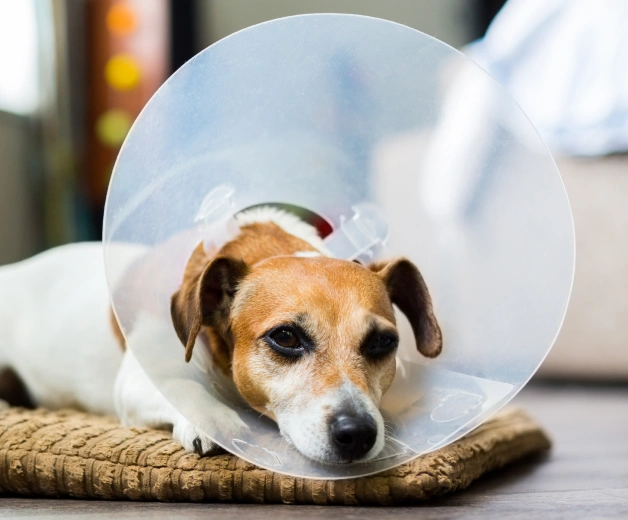
Life-Saving Surgical Care for Pets
We offer a wide range of surgical services and procedures, ranging from standard and preventative procedures to more advanced surgery designed to improve your pet’s health and, in some cases, even save their life. You can learn more about our surgical services here.
General & Advanced Surgery
At Animal Medical Clinic of Gulf Gate, we pride ourselves on the safety and successful outcomes of the surgical procedures we perform. We understand how special your pet is to you, which can cause emotions to run high. That’s why we partner with you to formulate a surgical plan that is best for you and your pet. We will keep you updated every step of the way – before, during, and after the procedure.
Before surgery, we will schedule a pre-operative visit with you to discuss your options, go over the details of the surgery, and perform pre-surgical bloodwork to ensure your pet is healthy enough to withstand sedation. We encourage you to ask any questions you may have. It is not only our job to treat your pet, but also to put our clients at ease.
During surgery, your pet’s vitals will be closely monitored from beginning to end by a trained veterinary technician. This individual is also trained on pain management practices, so your pet experiences the least amount of pain during surgery and afterwards in recovery.
After surgery, your pet will continue to be closely monitored in recovery. Before your pet goes home, we will carefully go over post-operative care instructions with you.
The veterinarians at Animal Medical Clinic of Gulf Gate have years of experience performing the common surgical procedures to follow:
- Spay/Neuter Procedure involves the removal of the sex organs to safeguard against preventable health conditions, unwanted pregnancies, and naughty behaviors associated with sexual instincts. This is a preventative surgery and staple of wellness care, and therefore is recommended for all patients of ours.
- Soft-tissue Surgery encompasses any procedure that does not operate on the bones or joints. Your pet may be a candidate for soft-tissue surgery if you observe abnormal lumps and bumps, unexplained weight loss, difficulty urinating, vomiting, or head shaking. Common soft-tissue surgeries performed at our facility include spay/neuter procedure, mass removal, trauma and laceration repair, hernia repair, bladder stone removal, and more.
- Surgical Oncology is recommended as part of a treatment plan for pets with cancer. The goal of surgical oncology is to completely remove or halt the spread of cancer throughout the body. In turn, the hope is that this will improve a pet’s health and quality of life.
- Mass Removal is recommended when abnormal lumps or bumps are discovered on a pet. Prior to surgery, we will test the mass to determine if it is a cyst, hernia, or cancerous or benign tumor. Typically, the safest option is to remove the mass, however, your veterinarian will discuss your options with you based on your pet’s unique situation. If a mass is cancerous, we highly recommend removing the mass to protect your pet’s physical health and quality of life. If a mass is benign, we may also recommend removing it because there is always the possibility that a benign tumor will become cancerous over time. Benign tumors may also apply pressure to surrounding tissues and cause your pet physical discomfort.
Spay/Neuter Procedure
The spay/neuter procedure offers dogs and cats numerous health and behavioral advantages and, as a result, benefits you as a pet owner too. This procedure is a key component of wellness care at Animal Medical Clinic of Gulf Gate, and Drs. Stephanie Lantry and Laurie Putnam recommend it for all of their canine and feline patients.
As with all surgical procedures performed at Animal Medical Clinic of Gulf Gate, your pet’s safety and comfort throughout this procedure is our top priority. Our clinical team is highly trained to perform this procedure with meticulous surgical practices, including:
- Pre-surgical bloodwork
- Properly dosed anesthesia
- IV fluids
- Advanced surgical monitoring equipment
- Technician monitoring
- Pain management
What Is Spay/Neuter Procedure?
Spaying is performed on female pets and involves a complete ovariohysterectomy, or the surgical removal of the ovaries and uterus.
Neutering is performed on male pets and involves the surgical removal of both testicles. Do not fret. It sounds scarier than it is! Your pet will not miss them.
Benefits of a Spay/Neuter Procedure
For your individual pet, spay/neuter procedure benefits his or her overall health by preventing life-threatening diseases, undesirable sexual behaviors, and unwanted litters. This procedure also promotes longevity and greater loyalty and affection towards humans!
Spaying female pets prevents:
- The urge to roam
- Aggressive behaviors
- Messy heat cycles
- Urine marking
- Howling
- Uterine and mammary issues, including cancer and infections
- Unwanted litters
Neutering male pets prevents:
- The urge to roam
- Aggressive behaviors
- Urine marking
- Testicular cancer and prostate disease
- Unwanted litters
For the pet population at large, spay/neuter procedure helps curb pet overpopulation and frees up much-needed space in animal shelters; therefore, allowing more pets to be rescued.
Common Myths
- My pet will gain weight. The natural aging process typically affects weight gain in pets more than other variables. Sounds similar to human experiences, right? It is true, however, that decreased hormone levels may in turn decrease activity. The solution to this is simple: proper diet and adequate exercise.
- Female pets need to complete a heat cycle before being spayed. For dogs: The less heat cycles your dog has before being spayed, the less likely she will be to develop issues like mammary cancer and uterine infections. However, some dogs may benefit from going through one heat cycle. Please discuss this further with your veterinarian. For cats: This is an old wives’ tale. There is no real clinical reason to wait! In actuality, the fewer heat cycles your cat has before being spayed, the less likely she will be to develop uterine infections and her risk for breast cancer will be significantly lower if no heat cycles occur. Also, cats are very adept breeders, which means kittens could be on the way before you know it.
- Male pets’ personalities change after being neutered. Your pets’ unique personality and spunk will still be there after being spayed or neutered. The only difference will be the removal of naughty behaviors, like aggression, urine marking, and roaming.
Pain Management
Pain management is at the core of compassionate, exceptional veterinary medicine. The practice of managing pain considers the patient as a whole in an effort to not only protect a pet’s physical functioning, but their psychological and emotional wellbeing as well. We prioritize the mitigation, management, and elimination of pain in all of our patients in an effort to give them comfortable, active, and happy lives.
Acute pain and chronic pain are the two main types of pain. These two categories of pain affect pets differently, which means the pain management approaches are different as well.
Acute pain is often the result of trauma from an accident or procedure. It causes sharp and sudden pain, but once it is addressed, the pain will cease. Acute pain is typically remedied in six months of less. Prior to surgical procedures, precautions are taken to manage acute pain before onset.
Chronic pain is often the result of conditions such as arthritis, diabetes, and cancer. Oftentimes, chronic pain is not entirely curable and the pet will need to live with some degree of pain for the rest of their lives. In these cases, we will help to keep pain at an all-time low so your pet can live as comfortable and happy life as possible.
The psychological and emotional component of pain can elicit symptoms of dysfunction and depression, similar to human medicine. Physiologically, this can lead to delayed healing, worsening symptoms, and exaggerated stress in pets that are already suffering from an illness or injury. For this reason, it’s key to be active in relieving pain as soon as possible. As with any medical condition, the longer a condition is endured, the less likely for successful treatment outcomes.
The veterinary professionals at Animal Medical Clinic of Gulf Gate have years of experience detecting various indications of pain in pets-even the most subtle. We know what to look for that may easily go unnoticed at home. If we recognize signs of pain in your pet, our veterinarians will create an individualized plan to provide your pet with relief as quickly as possible.
In cases of routine surgical procedures, advanced medical treatments, and chronically painful conditions, we are able to manage pain preemptively with pain medications. This plan will continue through the treatment and recovery process and be modified along the way based on the pet’s progress.
Below you will find the most common signs of pain in pets. If you recognize any of these signs in your pet, please do not wait to let our clinical team know so we can help your pet physically, emotionally, and psychologically.
- Hiding
- Crying, whining, or howling
- Decreased grooming or not grooming
- Decreased appetite
- Uncharacteristic aggression and/or irritability
- Diarrhea or constipation
- Seeking more affection that usual
- Not wanting to be handled
- Lethargy
- Not moving from one area
- Restlessness
- Protecting the affected body part
- Shaking and/or trembling
- Vacant and glassy-eyed

