
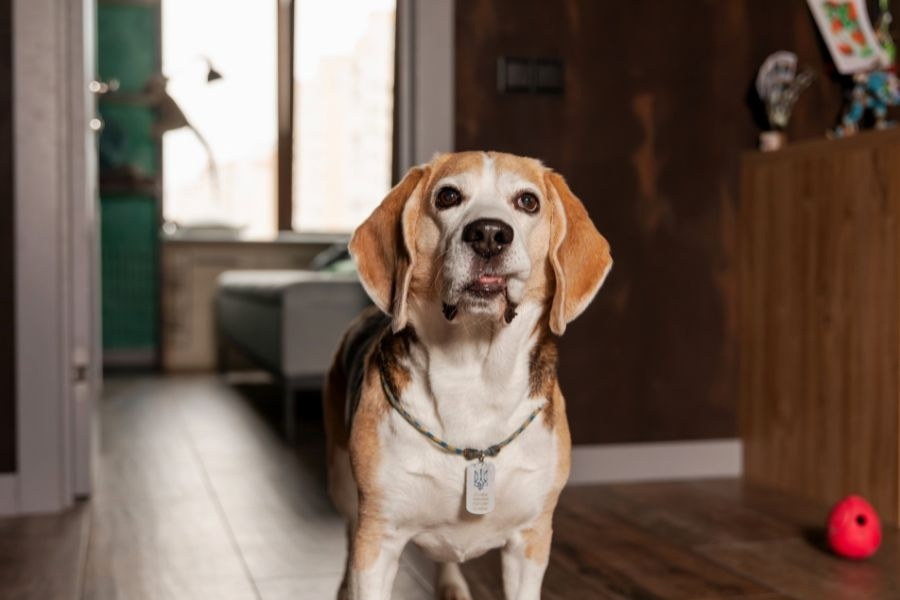
Your dog is slowing down. He hesitates before climbing the stairs. She stops mid-walk and looks back at you with tired eyes. You’ve tried medications, adjusted routines, and still something feels missing from the picture. Acupuncture for dogs is a therapy that more pet owners are turning to, and for good reason. Rooted in thousands of years of medical tradition and now backed by veterinary science, it offers a gentle, drug-free way to support your dog’s comfort and quality of life. This article explains what it is, which conditions it helps most, and exactly what you can expect during a session.
What Is Dog Acupuncture, and How Does It Work?
Acupuncture for dogs involves the careful placement of very thin, sterile needles into specific points on the body. These points correspond to areas where nerves, blood vessels, and connective tissue converge, making them ideal locations for triggering the body’s own healing response.
When a needle is inserted at one of these points, the brain and nervous system respond. The body releases natural painkillers called endorphins, increases local blood flow, and reduces inflammation. The result is improved comfort, better tissue repair, and a calmer nervous system, all without introducing additional pharmaceuticals.
It is estimated that more than one million dogs in the United States receive some form of integrative veterinary care each year, and acupuncture is among the most requested therapies. Veterinary acupuncture is not folk medicine. It is a clinical discipline that requires specialized certification, and the practitioners who perform it combine Eastern technique with a thorough understanding of Western anatomy and physiology.
Signs Your Dog Might Benefit From This Therapy
Not every dog needs acupuncture, but many do, and the signs are often subtle enough to be overlooked. If you notice any of the following, it is worth speaking with your veterinarian:
- Stiffness after rest: Your dog struggles to rise from a lying position, especially first thing in the morning. This is one of the most common early indicators of joint pain treatment being needed.
- Reduced activity or play drive: A dog who once chased toys or ran freely is now reluctant to move. Decreased activity is often a pain response, not simply aging.
- Licking or chewing at a specific area: Localized discomfort often leads to repetitive licking. Acupuncture can calm nerve irritation in targeted regions.
- Muscle tension or flinching: Some dogs develop tightness in the back, neck, or hind legs after injury or overuse. Needling these areas encourages muscle release.
- Recovery from surgery or injury: Post-operative healing often benefits from improved circulation and reduced inflammation, two direct results of acupuncture therapy.
Dr. Kamryn Kurtz, who is certified in veterinary medical acupuncture through CuraCore’s Medical Acupuncture for Veterinarians program, notes that many pet owners are surprised by how much their dog was compensating for discomfort before treatment began. Dogs are stoic animals, she explains, and they often mask pain until it becomes significant. Acupuncture helps uncover and address that discomfort before it progresses.
If you notice any of these signs, contact your veterinarian promptly.
Conditions Commonly Treated With Canine Acupuncture
Canine acupuncture benefits a wide range of health concerns, from chronic conditions to acute recovery situations. The therapy is most commonly used to address:
Osteoarthritis and degenerative joint disease are among the most frequent reasons dogs receive acupuncture. Studies suggest that arthritis affects roughly 25% of dogs during their lifetime. Acupuncture reduces the inflammatory response in affected joints and stimulates the release of the body’s own pain-managing compounds, making it an effective complement to other treatments.
Intervertebral disc disease (IVDD) is a spinal condition that causes pressure on the spinal cord and can lead to pain, weakness, or paralysis in the hind limbs. Acupuncture supports nerve function and reduces spinal inflammation, particularly during recovery.
Neurological conditions, including weakness, loss of coordination, and nerve damage from injury, respond well to acupuncture because of its direct effect on nerve signaling and muscle tone.
Chronic gastrointestinal issues, such as nausea, poor appetite, and motility problems, can be addressed through specific acupuncture points that regulate digestive function.
Skin conditions and allergic responses are another area where dog pain relief options that fall outside conventional antihistamines or steroids are especially valuable. Acupuncture modulates immune response and reduces the itch-scratch cycle in many patients.
A common misconception among pet owners is that acupuncture is only appropriate for very old dogs or end-of-life care. In reality, it is effective across life stages. Younger dogs recovering from athletic injuries or orthopedic surgeries benefit just as much as senior patients managing long-term conditions.
What to Expect During a Veterinary Acupuncture Session
Many pet owners come in unsure of what acupuncture looks like in practice. Here is a step-by-step overview of what happens during a typical session at our Sarasota clinic:
- Initial consultation: The veterinarian reviews your dog’s full health history, current medications, and the specific concern being addressed. This includes a thorough physical exam and often a hands-on assessment of muscle tension and joint mobility.
- Treatment planning: Based on the exam findings, the veterinarian identifies which acupuncture points are most appropriate for your dog’s condition. The number and location of needles varies by patient.
- Needle placement: Needles are placed gently and precisely. Most dogs tolerate this very well. The needles used in veterinary acupuncture are far thinner than a standard hypodermic needle, and insertion is typically painless.
- Rest period: Once the needles are in place, your dog rests quietly, usually for 15 to 30 minutes. Many dogs become visibly relaxed, and some fall asleep during this time.
- Removal and assessment: Needles are removed carefully at the end of the session. The veterinarian will note your dog’s response and discuss follow-up care. Some dogs show improvement within a few sessions, while others benefit from ongoing treatment for chronic conditions.
In Sarasota, where warm, humid conditions can accelerate joint inflammation and worsen musculoskeletal symptoms in aging dogs, holistic dog care tips from your veterinarian often include acupuncture as part of a year-round management plan rather than a one-time intervention.
How Acupuncture Fits Into an Integrative Care Plan
Acupuncture is rarely used in isolation. It works best as part of a broader treatment approach that may include physical therapy, nutritional support, laser therapy, and appropriately chosen medications. The goal is not to replace conventional care but to enhance it.
Dr. Kurtz, whose areas of professional interest include integrative medicine and dermatology, is certified in both veterinary medical acupuncture and botanical veterinary medicine. This dual training allows her to consider multiple systems of support when developing a plan for each patient. Many of the dogs she treats with acupuncture at our Sarasota location also benefit from complementary therapies that address the whole animal, not just a single symptom.
For dogs with holistic dog care tips already incorporated into their routine, such as weight management, anti-inflammatory diets, or joint supplements, acupuncture adds another layer of targeted support that conventional dog pain relief options alone often cannot provide.
Dog joint pain treatment, when approached from multiple angles, produces more consistent, longer-lasting results than any single therapy can achieve on its own. That is the central value of integrative care, and it is why so many pet owners in Sarasota are adding acupuncture to their dog’s health plan.
Conclusion
Choosing a veterinarian who is formally certified in veterinary acupuncture matters. Certification through an accredited program means your dog is receiving treatment from a professional who has completed advanced coursework in anatomy, physiology, and needle technique, not simply learned a few basic points. Animal Medical Clinic of Gulf Gate takes that standard seriously, and it shows in every session.
Your dog deserves relief that is thoughtful, safe, and grounded in both science and compassion. Acupuncture for dogs offers exactly that. Book an appointment today.
Frequently Asked Questions
Q: Is acupuncture painful for dogs?
Ans: Most dogs tolerate veterinary acupuncture very well. The needles used are extremely thin, much finer than a standard hypodermic needle, and insertion is generally painless. Many dogs become relaxed or even fall asleep during sessions.
Q: How many acupuncture sessions will my dog need?
Ans: The number of sessions depends on your dog’s condition, age, and response to treatment. Some dogs show noticeable improvement after two to four sessions, while others with chronic conditions benefit from ongoing monthly maintenance. Your veterinarian will create a plan based on your dog’s individual needs.
Q: Can acupuncture be used alongside my dog’s current medications?
Ans: Yes. Veterinary acupuncture is designed to complement conventional treatments, not replace them. It can be safely combined with most medications, supplements, and other therapies. Always inform your veterinarian of everything your dog is currently receiving.
Q: What conditions respond best to dog acupuncture?
Ans: Arthritis and joint pain, intervertebral disc disease, nerve-related conditions, post-surgical recovery, chronic skin issues, and gastrointestinal problems are among the conditions that respond well. Your veterinarian will assess whether acupuncture is appropriate for your dog’s specific diagnosis.
Q: How do I know if my dog is a good candidate for acupuncture?
Ans: The best way to determine candidacy is through a thorough veterinary exam and consultation. Dogs of any age or breed can be evaluated. If your dog is experiencing pain, reduced mobility, slow recovery, or a chronic condition that has not fully responded to conventional treatment alone, acupuncture is worth discussing with your vet.
Related Articles

