Your dog has been recommended for surgery, and your mind is racing. What exactly will happen? Is it safe? How long will recovery take? These are the questions every caring pet owner asks, and they deserve real answers. Dog soft tissue surgery covers a wide range of procedures that involve the organs, skin, muscles, and internal systems not bones or joints. It is one of the most common forms of veterinary surgery, and when performed by an experienced veterinarian, it is both safe and highly effective. This guide walks you through everything: what these procedures involve, what warning signs to watch for beforehand, what happens on the day of surgery, and how to support your dog’s healing at home. The more informed you are, the calmer and more confident you will be when it matters most.
What Dog Soft Tissue Surgery Actually Covers
Dog soft tissue surgery refers to any surgical procedure that involves the body’s soft structures: organs, glands, skin, muscles, the gastrointestinal tract, and the respiratory and urinary systems. It is different from orthopedic surgery, which focuses on bones and joints.
Common soft tissue procedures include tumor or mass removal, splenectomy, bladder stone removal, intestinal foreign body removal, hernia repair, and abdominal exploratory surgery. Spay and neuter procedures also fall under this category.
An estimated 1 in 4 dogs will develop a tumor at some point in their lives, making mass removal one of the most frequently performed soft tissue procedures at general practice veterinary clinics. Many of these masses are benign, but early surgical removal is always better than a wait-and-watch approach that allows a growth to increase in size or complexity.
Veterinary surgery for dogs has advanced considerably over the past two decades. Modern anesthesia protocols, real-time monitoring equipment, and refined surgical techniques have made these procedures far safer than many pet owners expect.
Signs Your Dog May Need Soft Tissue Surgery
Not every health issue requires surgery, but certain signs point to a problem that cannot be resolved with medication alone. Knowing what to watch for helps you act quickly.
- A visible lump or swelling under the skin: Lumps that grow rapidly, change texture, or appear ulcerated need prompt veterinary evaluation. Not every mass requires removal, but a vet must assess it.
- Straining to urinate or passing blood in urine: These signs can indicate bladder stones or a urinary obstruction, both of which may require surgical intervention.
- Vomiting repeatedly without improvement: When a dog swallows a foreign object, it can become lodged in the stomach or intestines. Repeated vomiting, especially with a bloated or painful belly, is a signal to seek prompt veterinary care.
- A swollen or protruding area near the groin or belly button: This can indicate a hernia, where tissue pushes through a weakened muscle wall.
- Labored breathing or a distended abdomen: These signs can point to conditions involving the chest cavity or abdominal organs that require surgical correction.
“In my experience, pet owners often notice something is off with their dog days before the issue becomes critical,” says Dr. Stephanie Lantry, DVM and co-owner of Animal Medical Clinic of Gulf Gate. “That early instinct matters. A dog that is drinking more water than usual, losing appetite, or showing subtle signs of discomfort deserves an evaluation before things escalate.”
If you notice any of these signs, contact your nearest veterinarian promptly.
How to Prepare Your Dog for Surgery Day
Preparation begins the moment your veterinarian schedules the procedure. Following pre-surgical instructions carefully gives your dog the best possible outcome.
- Follow fasting instructions exactly. Your dog will be instructed not to eat for a set period before surgery, typically the night before. This reduces the risk of aspiration during anesthesia. Water restrictions, if any, will also be specified.
- Complete all pre-surgical diagnostics. Your vet will likely recommend bloodwork and possibly imaging before the procedure. These tests confirm your dog is healthy enough for anesthesia and help the surgical team plan appropriately.
- Disclose all medications and supplements. Some medications and even herbal supplements affect anesthesia or bleeding. Your veterinarian needs a full list before surgery day.
- Arrange transportation. Your dog will not be able to walk steadily after anesthesia. Bring a blanket for comfort in the car and have another person with you if possible.
- Prepare a quiet recovery space at home. A crate or a small, calm room with soft bedding and limited foot traffic will help your dog rest after returning home.
- Ask your veterinarian all remaining questions before the day of surgery. Clarity before the procedure reduces stress on both you and your pet.
Surgical care for dog patients at our Sarasota clinic begins well before the first incision. The pre-surgical consultation is where the team reviews your dog’s history, explains the procedure in plain language, and addresses every concern you bring to the appointment.
What Happens Inside the Surgical Suite
Understanding what occurs during the procedure helps demystify the process for anxious pet owners.
On the day of surgery, your dog will be admitted and settled in a calm environment before preparation begins. A licensed veterinary technician will place an IV catheter to administer fluids and medications. Your dog will then receive a pre-anesthetic sedation to relax before the induction of general anesthesia.
Throughout the procedure, a trained technician monitors your dog’s heart rate, blood pressure, oxygen levels, and body temperature continuously. These real-time readings allow the team to make immediate adjustments as needed.
The surgical site will be shaved and sterilized before the procedure begins. Once your dog is fully under anesthesia, the veterinarian performs the surgery using sterile technique. Internal layers are sutured first, followed by the skin. Dissolvable sutures are used internally, while the skin may be closed with sutures or staples depending on the location and type of procedure.
After the procedure concludes, your dog moves to a monitored recovery area where the team watches closely as anesthesia wears off. Vital signs continue to be tracked until your dog is fully awake and stable.
The team at Animal Medical Clinic of Gulf Gate applies the same meticulous attention throughout every phase of the procedure. Dr. Lantry, who has been providing veterinary surgery for dogs at the clinic since 1999, brings over two decades of hands-on surgical experience to every patient she treats in Sarasota.
Bringing Your Dog Home: Recovery Done Right
The healing process does not end when you leave the clinic. What happens in the days following surgery significantly affects your dog’s outcome.
“Recovery is often where owners feel most uncertain,” notes Dr. Lantry. “But most dogs do incredibly well when owners stick to the post-surgical instructions. The two biggest mistakes I see are letting dogs be too active too soon, and skipping the follow-up appointment because the dog seems fine.”
Dog surgery recovery tips every owner should follow:
- Restrict activity as directed. No running, jumping, or rough play until your veterinarian clears it. This is especially critical in the first week.
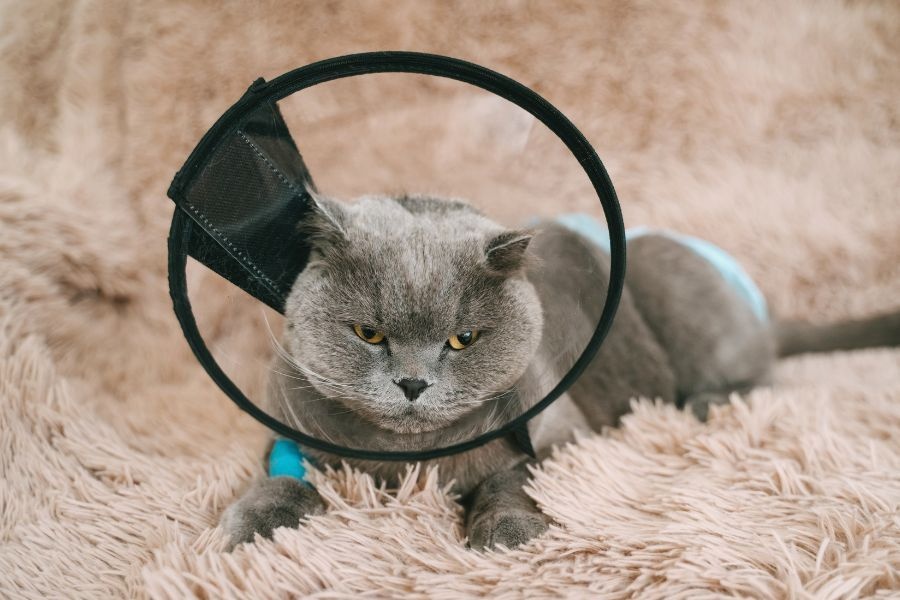
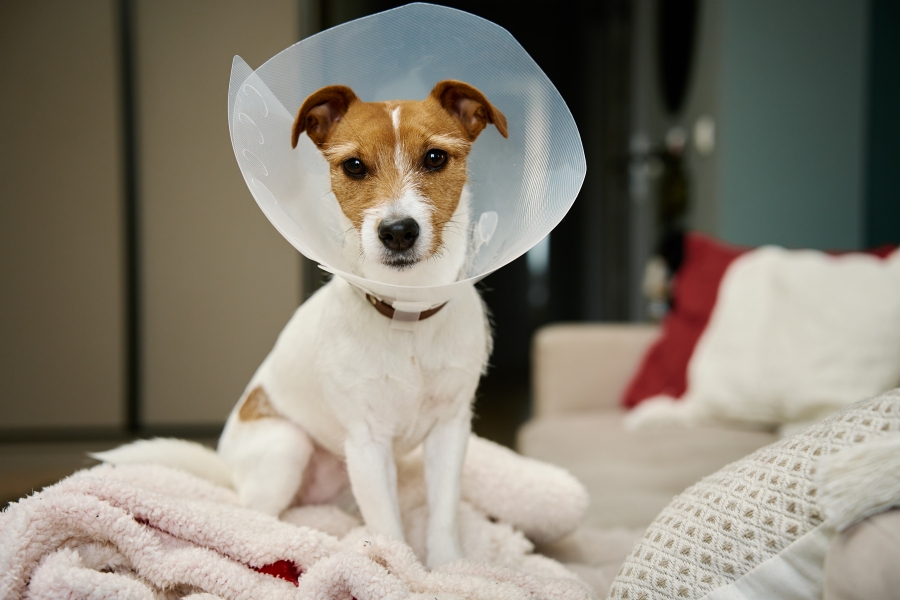
- Use the e-collar consistently. The cone prevents your dog from licking or chewing the incision, which is the most common cause of post-surgical infection.
- Check the incision daily. Look for excessive redness, swelling, discharge, or wound separation. A small amount of bruising is normal. Anything more should be reported to your vet promptly.
- Administer all prescribed medications in full. Do not stop pain medications early because your dog seems comfortable. Complete the entire course.
- Attend the follow-up appointment without fail. This visit confirms healing is progressing correctly and gives you a chance to raise any questions that came up during recovery.
In Sarasota, where warm and humid conditions can affect wound healing in some dogs, monitoring the incision site closely during the recovery period is especially important. The clinic team provides written discharge instructions and a direct line for any concerns that arise after your dog is home.
Choosing the Right Clinic for Your Dog’s Procedure
Where your dog has surgery matters. Not all clinics offer the same depth of surgical experience or monitoring capability.
When evaluating a veterinary practice for a soft tissue procedure, ask about the veterinarian’s surgical history with that specific type of procedure, whether a licensed technician monitors anesthesia throughout, what pre-surgical diagnostics are recommended, how post-surgical pain is managed, and how accessible the team is for recovery questions.
The signs dog needs surgery do not always come with warning. That is why establishing a relationship with a trusted surgical team before a procedure is ever needed gives you a meaningful advantage.
Animal Medical Clinic of Gulf Gate provides comprehensive surgical care for dog patients in Sarasota, led by Dr. Stephanie Lantry, DVM. With more than 25 years of experience serving Sarasota pets, Dr. Lantry combines clinical expertise with the kind of genuine, attentive care that pet owners in this community have trusted since 1999.
Conclusion
A surgical recommendation is never easy to receive. But knowledge and preparation make an enormous difference. When your dog receives timely, expertly performed dog soft tissue surgery backed by a team that genuinely cares, you give them the strongest possible path to a full and comfortable recovery. Do not let uncertainty delay the care your dog needs. Book an appointment today.
Frequently Asked Questions
Q: What is dog soft tissue surgery?
Ans: Dog soft tissue surgery refers to procedures involving the organs, skin, muscles, glands, and internal systems such as the gastrointestinal, respiratory, and urinary tracts. Common examples include tumor removal, bladder stone surgery, hernia repair, intestinal foreign body removal, and spay or neuter procedures. It differs from orthopedic surgery, which addresses bones and joints.
Q: How long does recovery from dog soft tissue surgery typically take?
Ans: Recovery time varies based on the type of procedure, your dog’s age, and their overall health. Most dogs require restricted activity for at least 10 to 14 days following surgery. Your veterinarian will provide a personalized recovery timeline at discharge and adjust it based on how healing progresses at the follow-up visit.
Q: Is anesthesia safe for dogs?
Ans: Modern veterinary anesthesia is very safe when combined with proper pre-surgical screening and continuous monitoring by a trained technician. Pre-surgical bloodwork helps identify any conditions that could affect how a dog responds to anesthesia, allowing the team to customize the protocol for each patient.
Q: How will I know if my dog’s surgical incision is healing properly?
Ans: A healing incision will show minor redness and mild swelling in the first 24 to 48 hours, gradually improving each day. Contact your veterinarian if you notice increased swelling, discharge, wound odor, separation of the incision edges, or if your dog is persistently licking or chewing the area despite wearing an e-collar.
Q: Can I give my dog human pain relievers after surgery?
Ans: No. Human pain medications, including ibuprofen and acetaminophen, are toxic to dogs and must never be administered. Your veterinarian will prescribe safe, species-appropriate pain management specific to your dog’s procedure. Always contact your vet before giving any medication not included in the discharge instructions.