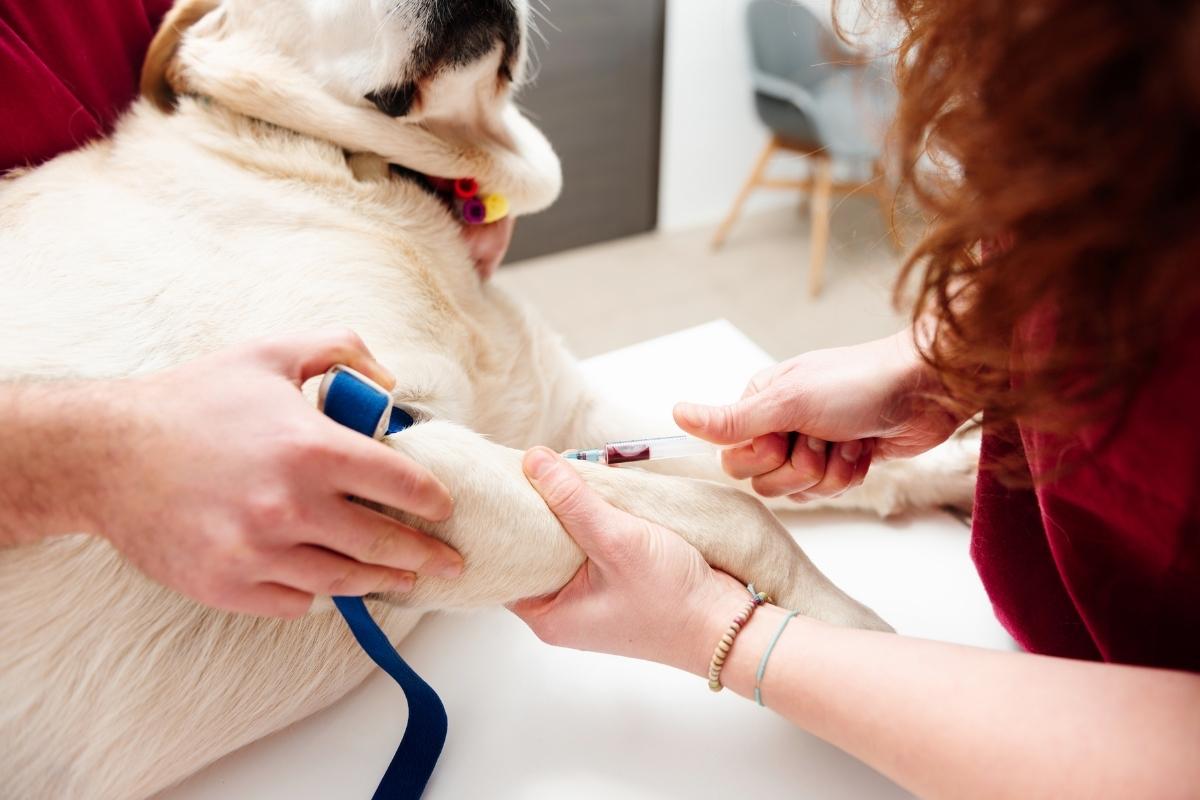
As dogs age, their bodies go through significant changes that can affect their overall health. That’s why senior pet care plays a crucial role in helping your dog stay comfortable and healthy in their later years. One of the most effective ways to monitor your aging pet’s health is through routine blood testing.
Blood tests allow veterinarians to detect potential health concerns early—often before symptoms appear—helping your senior dog enjoy a longer, happier life.
Why Blood Tests Matter for Senior Dogs
Blood testing is a quick, safe, and non-invasive way to evaluate your dog’s internal health. For senior dogs, these tests provide valuable insights into organ function, hormone levels, and overall wellness.
As dogs grow older, they become more susceptible to conditions like kidney disease, diabetes, and thyroid imbalances. Routine blood work helps identify these issues early, allowing for timely treatment and better outcomes.
Key Health Indicators Checked in Blood Tests
Regular blood tests help monitor several important health markers in senior dogs:
Kidney Function
Aging dogs are at higher risk for kidney disease, which often develops silently. Blood tests measure markers like BUN and creatinine to detect early signs of kidney issues.
Liver Health
Elevated liver enzymes may indicate liver disease or other underlying conditions. Early detection allows for prompt care and management.
Thyroid Levels
Hypothyroidism is common in senior dogs and can cause weight gain, fatigue, and skin problems. Blood tests help diagnose and manage this condition effectively.
Blood Cell Count
Monitoring red and white blood cells can reveal infections, inflammation, or anemia, helping prevent complications.
Blood Sugar Levels
Senior dogs are more prone to diabetes. Regular blood tests track glucose levels and help manage the condition early.
Early Detection Improves Quality of Life
Many health conditions in older dogs develop gradually and may not show obvious symptoms until they become severe. Routine blood testing helps detect these problems early, making treatment more effective and less invasive.
By staying proactive with your dog’s health, you can reduce the risk of serious complications and ensure they maintain a good quality of life.
Make Blood Tests Part of Your Dog’s Routine Care
Including regular blood tests in your dog’s wellness routine is one of the best ways to support their long-term health. It provides peace of mind and helps your veterinarian create a personalized care plan for your pet.
If your dog is entering their senior years or showing signs of aging, now is the perfect time to book an appointment with the Animal Medical Clinic of Gulf Gate and ensure they receive the attentive care they deserve.
FAQs
Q1. How often should senior dogs have blood tests?
Senior dogs should have blood tests at least once a year. More frequent testing may be recommended based on their health condition.
Q2. What can blood tests detect in older dogs?
They can identify conditions like kidney disease, diabetes, liver issues, thyroid disorders, and anemia.
Q3. What do kidney values in blood tests mean?
Markers like BUN and creatinine show how well the kidneys are functioning. High levels may indicate kidney disease.
Q4. Can blood tests diagnose cancer in dogs?
While not definitive, blood tests can reveal abnormalities that may suggest cancer or other serious conditions.
Q5. Are blood tests safe for senior dogs?
Yes, blood tests are safe and routine procedures that provide valuable insight into your dog’s health.