
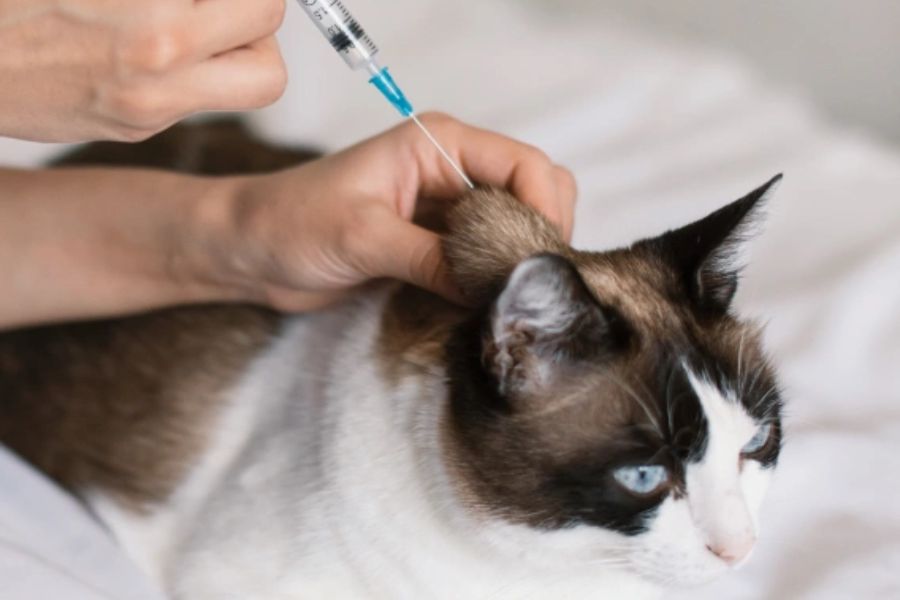
When it comes to our beloved pets, their health and well-being are top priorities. Just like humans, dogs and cats need protection from a range of preventable diseases. This is where pet vaccinations come in. These life-saving shots help prevent serious illnesses, keeping your furry friend healthy and happy for years to come.
In this article, we’ll explore the importance of pet vaccinations, how they work, and why every responsible pet owner should stay up to date with their pet’s vaccination schedule.
Why Are Pet Vaccinations Important?
First and foremost, vaccinations protect your pet from harmful and potentially fatal diseases. Conditions like rabies, parvovirus, distemper, and feline leukemia can severely impact your pet’s quality of life or even end it. Fortunately, many of these illnesses are preventable with the right vaccines.
Vaccinating your pet also protects the community. For example, rabies is a zoonotic disease, meaning it can spread from animals to humans. By vaccinating your dog or cat, you’re not only protecting them but also your family and neighbors.
Moreover, some diseases spread quickly in places where pets interact, such as parks, boarding facilities, or grooming salons. Regular vaccinations reduce the risk of outbreaks in these environments.
Core vs. Non-Core Vaccines
To better understand vaccinations, it’s helpful to know the difference between core and non-core vaccines.
- Core vaccines are considered essential for all pets, regardless of their lifestyle or environment. These include:
- Dogs: Rabies, parvovirus, distemper, adenovirus
- Cats: Rabies, panleukopenia, calicivirus, herpesvirus type I
- Non-core vaccines are optional and based on the pet’s specific needs. For example:
- Dogs may need vaccines for Bordetella (kennel cough), Lyme disease, or leptospirosis.
- Cats might benefit from the feline leukemia vaccine if they go outdoors or are at risk of exposure.
A veterinarian can help determine which vaccines are appropriate for your pet based on age, breed, lifestyle, and health status.
When Should You Vaccinate Your Pet?
Timing is everything when it comes to vaccinations. Puppies and kittens should receive their first vaccines between 6 to 8 weeks of age, followed by a series of booster shots every few weeks until they’re about 16 weeks old.
After the initial series, adult pets need booster shots at regular intervals, usually annually or every three years, depending on the vaccine and your vet’s recommendation.
Staying consistent with this schedule is crucial. Missing boosters or delaying shots can leave your pet vulnerable to disease.
Common Myths About Pet Vaccinations
Despite their benefits, some pet owners hesitate to vaccinate due to misinformation. Let’s address a few common myths:
- “Vaccines aren’t necessary if my pet stays indoors.”
Even indoor pets can be exposed to viruses through human contact, other animals, or during emergencies like vet visits or travel. - “Vaccines can cause severe side effects.”
Most pets tolerate vaccines well. Minor side effects like mild fever or soreness are common and temporary. Serious reactions are rare and treatable. - “Natural immunity is better.”
Relying on natural exposure to diseases can be dangerous. Vaccination provides safe and effective immunity without risking your pet’s health.
The Role of the Veterinarian
Veterinarians play a vital role in your pet’s health journey. They not only administer vaccinations but also monitor your pet’s overall wellness. During vaccination appointments, vets can detect early signs of illness, advise on diet, and answer questions about behavior or preventive care.
Establishing a strong relationship with your vet ensures that your pet receives personalized care tailored to their unique needs.
In conclusion, vaccinations are a critical part of responsible pet ownership. They shield your pet from life-threatening diseases, reduce the risk of outbreaks, and promote a healthier community. With so much at stake, staying on top of your pet’s vaccine schedule is one of the best decisions you can make.
If you’re a local pet owner looking to ensure your furry friend’s long-term health, don’t delay. Schedule pet vaccinations in Sarasota today. Your pet deserves the best protection possible, and a simple visit to your vet can make all the difference.
Related Articles

