As a pet owner, you want your companion to live a long, happy, and healthy life. You provide nutritious food, daily exercise, affection, and a safe home. However, even with excellent at-home care, pets still need professional medical attention to stay healthy. That is where pet wellness exams play a vital role.
Wellness exams are more than routine checkups. Instead, they serve as a foundation for preventive care, early disease detection, and long-term health management. Because pets age faster than humans, health changes can occur quickly. Regular exams allow veterinarians to catch problems early—often before symptoms become visible.
At Animal Medical Clinic of Gulf Gate, wellness exams help pet owners stay proactive rather than reactive about their pet’s health. This blog will explain why these exams matter, what they include, how often pets need them, and how they support lifelong well-being for pets and families in Sarasota, FL.
What Are Pet Wellness Exams?
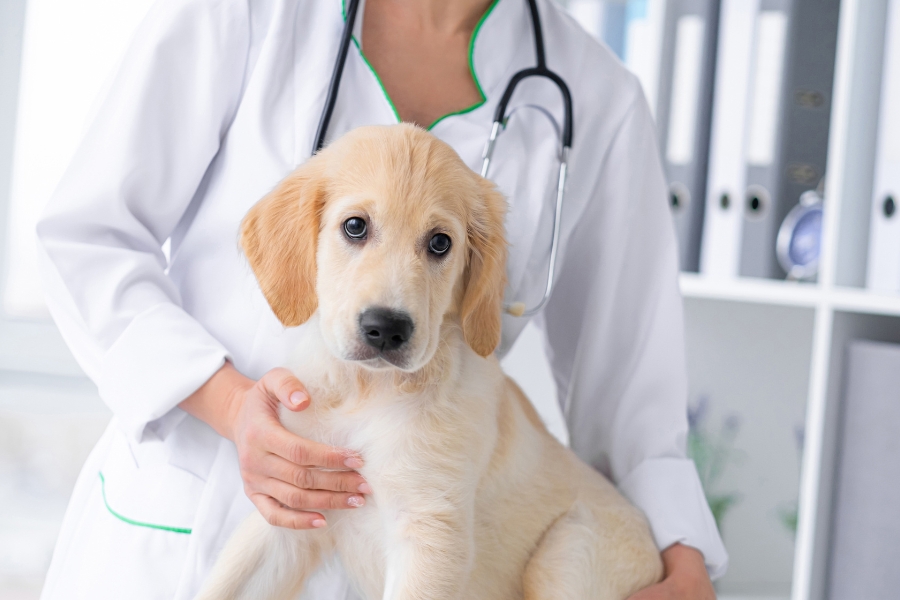
Pet wellness exams are comprehensive health evaluations performed by a veterinarian to assess your pet’s overall physical condition. Unlike sick visits, wellness exams focus on prevention rather than treatment.
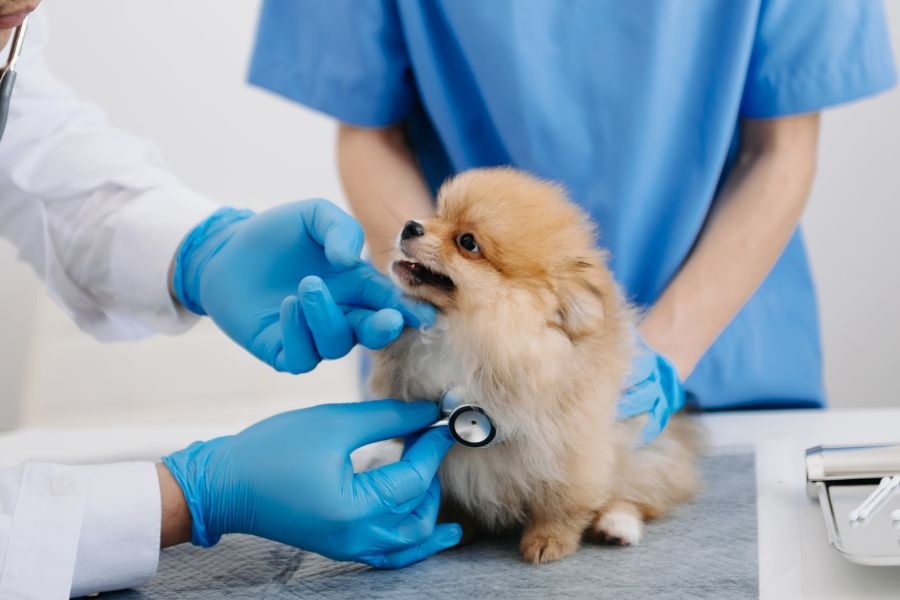
During pet wellness exams, veterinarians evaluate your pet from nose to tail. They look for subtle changes that may signal underlying health issues. Because pets cannot communicate discomfort the way humans can, these exams become essential for early detection.
Why Preventive Care Matters
Preventive care helps stop small problems from becoming serious medical conditions. While many illnesses develop slowly, early intervention often leads to better outcomes and lower treatment costs.
Pet wellness exams support preventive care by:
- Identifying health risks early
- Monitoring age-related changes
- Maintaining vaccination schedules
- Preventing parasite infestations
- Supporting dental and nutritional health
As a result, pets receive timely care that protects their comfort and quality of life.
What Happens During a Pet Wellness Exam?
Each wellness exam follows a structured process to ensure nothing is overlooked. Although details may vary based on age and species, most exams include the following components.
Physical Examination
The veterinarian performs a thorough physical exam, which includes:
- Checking eyes, ears, nose, and mouth
- Listening to the heart and lungs
- Examining joints and muscles
- Evaluating skin and coat condition
- Palpating the abdomen for abnormalities
This hands-on evaluation often reveals issues that owners may not notice at home.
Weight and Body Condition Assessment
Weight changes often signal underlying health problems. During pet wellness exams, veterinarians assess body condition to determine whether a pet is underweight, overweight, or at an ideal weight.
Maintaining a healthy weight reduces the risk of arthritis, diabetes, heart disease, and mobility issues.
Vaccination Review
Vaccines protect pets from serious and potentially fatal diseases. During a wellness exam, the veterinarian reviews vaccination history and recommends updates based on age, lifestyle, and risk factors.
Because not all pets need the same vaccines every year, this individualized approach ensures appropriate protection without over-vaccination.
Parasite Prevention
Parasites can cause discomfort and transmit dangerous diseases. Wellness exams include discussions about flea, tick, and heartworm prevention, as well as intestinal parasite screening when appropriate.
Consistent prevention keeps pets comfortable and protects household members as well.
Dental Health Evaluation
Dental disease is one of the most common yet overlooked health issues in pets. During pet wellness exams, veterinarians examine the teeth and gums for signs of tartar buildup, infection, or pain.
Early dental care prevents tooth loss, chronic pain, and bacteria from spreading to vital organs.
How Often Should Pets Have Wellness Exams?
The frequency of pet wellness exams depends on age and health status.
Puppies and Kittens
Young pets require frequent exams during their first year. These visits support growth monitoring, vaccination schedules, and early training guidance.
Adult Pets
Healthy adult pets benefit from annual wellness exams. These yearly visits establish baseline health data and detect changes early.
Senior Pets
As pets age, their risk for chronic disease increases. Senior pets often benefit from wellness exams every six months to closely monitor health changes.
The Role of Pet Wellness Exams in Early Disease Detection
Early detection can significantly improve treatment outcomes. Many conditions, such as kidney disease, diabetes, arthritis, and thyroid disorders, develop gradually.
Pet wellness exams allow veterinarians to:
- Detect subtle symptoms
- Recommend diagnostic testing early
- Begin treatment before the disease progresses
- Improve long-term prognosis
Because pets instinctively hide pain, routine exams often uncover problems owners never suspect.
Diagnostic Testing and Wellness Exams
In some cases, veterinarians recommend diagnostic tests as part of a wellness exam. These tests provide valuable insight into internal health.
Common wellness diagnostics include:
- Blood work
- Urinalysis
- Fecal exams
- Blood pressure checks
These tools help identify issues long before physical symptoms appear.
Pet Wellness Exams and Nutrition Guidance
Nutrition directly affects a pet’s immune system, weight, and energy levels. During wellness exams, veterinarians evaluate diet and recommend adjustments based on life stage and health needs.
Proper nutrition supports:
- Healthy growth
- Weight management
- Joint health
- Skin and coat condition
- Digestive health
Personalized nutrition advice helps pets thrive at every stage of life.
Behavioral and Lifestyle Support
Behavior changes often signal medical or emotional concerns. During pet wellness exams, veterinarians discuss behavior, activity levels, and environmental factors.
This guidance helps address:
- Anxiety or stress
- Changes in appetite
- Reduced activity
- Mobility challenges
By addressing lifestyle factors, veterinarians support both physical and emotional well-being.
Wellness Exams Build a Strong Veterinary Relationship
Regular wellness visits build trust between pets, owners, and veterinary teams. Over time, veterinarians become familiar with a pet’s normal behavior, making changes easier to identify.
This relationship improves communication and ensures pets receive consistent, compassionate care throughout their lives.
Why Choose Animal Medical Clinic of Gulf Gate?
At Animal Medical Clinic of Gulf Gate, wellness care focuses on prevention, education, and individualized attention. Each exam allows time for questions, discussion, and personalized recommendations.
Our goal is not only to treat illness but also to help pets stay healthy for years to come.
Pet wellness exams are one of the most important investments you can make in your pet’s health. Through early detection, preventive care, and personalized guidance, these exams protect your pet’s comfort, longevity, and quality of life. Regular visits allow veterinarians to address concerns before they become serious and help pets age gracefully.
If you are in Sarasota, FL, and looking for pet wellness exams, book an appointment with Animal Medical Clinic of Gulf Gate today. Our compassionate team is here to support your pet’s health at every stage of life.
FAQs
Q1. What are pet wellness exams?
Ans. Pet wellness exams are routine veterinary checkups that focus on preventive care, early disease detection, and maintaining your pet’s overall health.
Q2. How often should pets have wellness exams?
Ans. Most adult pets should have a wellness exam once a year, while senior pets benefit from exams every six months to monitor age-related health changes.
Q3. Are pet wellness exams necessary if my pet looks healthy?
Ans. Yes. Many health conditions develop without visible symptoms, and wellness exams help identify problems before they become serious.
Q4. What is included in a pet wellness exam?
Ans. A typical exam includes a physical assessment, weight check, vaccination review, parasite prevention discussion, and evaluation of dental and nutritional health.
Q5. Can pet wellness exams help detect serious diseases early?
Ans. Yes. Wellness exams often uncover early signs of conditions such as kidney disease, diabetes, arthritis, and heart problems.
Q6. Should I prepare anything before my pet’s wellness exam?
Ans. Bring your pet’s medical records, a list of current medications, and any questions or behavior changes you’ve noticed to discuss with your veterinarian.
Related Articles