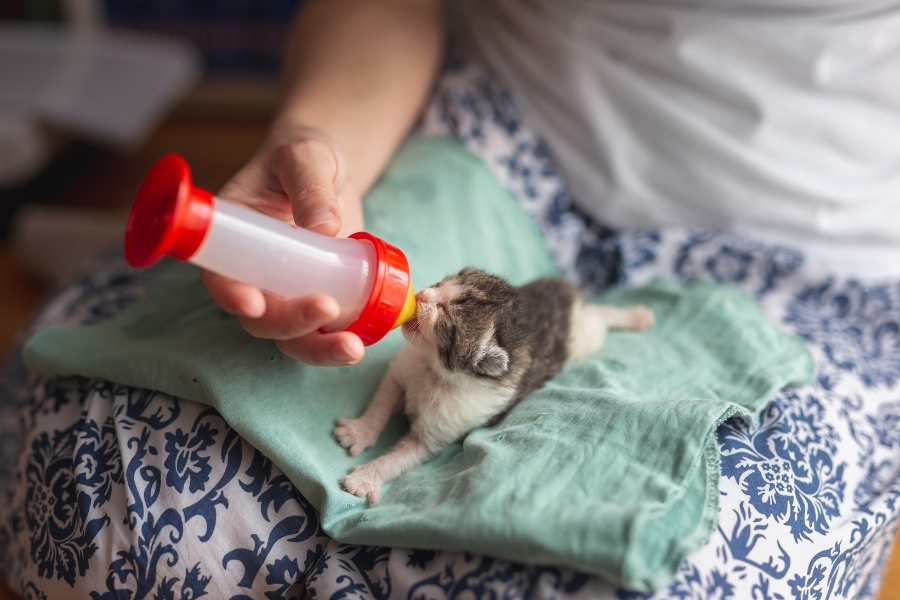
Bringing a new kitten into your home is an exciting experience. However, it’s important to understand that kittens, especially those that have been rescued or adopted, go through an adjustment period as they acclimate to their new environment. One useful guideline that helps you understand what to expect is the 3-3-3 rule for kittens. This rule provides a timeline of the initial adjustment process and offers helpful advice for making your new kitten feel safe and comfortable. In this blog post, we will explore what the 3-3-3 rule is, how it can help, and how you can provide the best care for your kitten during their first few weeks at home.
What is the 3-3-3 Rule for Kittens?
The 3-3-3 rule is a general framework that helps pet parents understand the emotional and behavioral stages a kitten may experience when transitioning into a new home. This rule is broken down into three phases that last for three days, three weeks, and three months. During these phases, your kitten will likely go through various stages of adjustment.
The First 3 Days: Getting Settled
When you bring your new kitten home, the first three days are crucial for establishing trust and helping them feel secure in their new environment. At this stage, your kitten may feel overwhelmed by the new sights, sounds, and smells of their home. They may hide or be reluctant to come out of their hiding spot.
During these initial days, it’s important to give your kitten space. Let them explore their new surroundings at their own pace. Keep their living area quiet and free from loud noises or overwhelming activity. Ideally, this area should include a cozy, secure hiding spot, such as a small crate or a secluded bed, where your kitten can retreat whenever they need some peace.
While your kitten may not want to interact much at first, be sure to gently introduce yourself. Sit near their hiding space and allow them to approach you when they feel ready. This helps build trust without overwhelming them. Avoid picking them up right away; instead, offer a calm and consistent presence. This approach will help your kitten feel more comfortable and safe in their new home.
The Next 3 Weeks: Building Trust and Confidence
After the initial 3 days, your kitten will begin to adjust to their new home and start to build more confidence. This next phase, the next three weeks, is when your kitten will become more curious and start to explore their environment more freely. At this point, they may venture out from their hiding spot and begin to interact with you more.
You’ll also notice changes in their behavior. Your kitten may start playing with toys, eating more regularly, and even engaging in more active behaviors like climbing or chasing things. This is a great time to begin introducing them to different parts of your home. However, it’s essential to keep things slow and gradual. Don’t rush them into interactions with other pets or people if they are not ready.
Make sure to continue providing a secure space for your kitten to retreat to if they feel overwhelmed. Provide them with a clean litter box, fresh food and water, and a comfortable sleeping area. During this period, consistency in their daily routines will help them feel more secure. They will begin to understand that they are safe and that their new home is a stable place to live.
The Final 3 Months: Becoming Comfortable and Adjusted
The final phase of the 3-3-3 rule is the three months after bringing your kitten home. By this time, your kitten will have adjusted significantly and may be well on their way to becoming a fully integrated member of the household. During these three months, your kitten will begin to show their true personality and develop stronger bonds with you and any other pets or family members.
They may begin to explore even more parts of the home and engage in more social activities. Your kitten will also likely become more comfortable with you handling them and will be more playful and affectionate. This is a great time to continue socializing your kitten, but always be mindful of their comfort level.
If you have other pets, it’s important to gradually introduce them to the kitten during this period. Ideally, these introductions should be done slowly and in controlled settings to avoid overwhelming your kitten or causing undue stress. Over time, your kitten will feel more confident around your other pets and people.
Additional Tips for Helping Your Kitten Adjust
While the 3-3-3 rule provides a helpful framework for understanding your kitten’s adjustment, it’s essential to remember that each kitten is unique. Some kittens may progress through these stages more quickly, while others may take longer to adjust. Here are a few additional tips to help your kitten settle into their new home:
- Provide Plenty of Toys: Kittens are naturally playful and need plenty of stimulation to keep them engaged. Provide them with a variety of toys to encourage healthy play and exercise.
- Be Patient: The adjustment period can be difficult for some kittens, and they may not immediately warm up to you or your home. Be patient and allow them the time they need to adjust at their own pace.
- Schedule a Vet Visit: After you’ve settled your kitten in, be sure to schedule a vet visit to ensure they are in good health. Your vet can also offer advice on vaccinations, feeding, and general kitten care.
- Establish a Routine: Kittens thrive on routine. Try to keep feeding times, playtime, and litter box cleaning consistent to help your kitten feel secure.
The 3-3-3 rule for kittens is a helpful guideline that offers insight into the adjustment process when bringing a kitten into your home. It provides a framework for understanding the stages of transition that your new kitten will go through—beginning with initial settling, building trust, and finally becoming comfortable and adjusted. By following the rule and being patient with your kitten, you can help them feel secure and ensure that they develop into a happy, healthy, and well-adjusted adult cat.
For those seeking kitten care in Sarasota, FL, understanding the 3-3-3 rule is essential for creating the best environment for your new feline companion.
FAQs
Q1. How long does it take for a kitten to adjust to a new home?
Ans. It typically takes about 3 months for a kitten to fully adjust to their new home. During this time, they will gradually become more comfortable with their surroundings and their human family.
Q2. What should I do if my kitten is hiding too much?
Ans. If your kitten is hiding more than expected, give them time and space. Ensure their environment is quiet, and try gently coaxing them with treats or soft talking. If the behavior persists, consult your vet.
Q3. How can I socialize my kitten during the 3-week mark?
Ans. At the 3-week stage, your kitten will begin to explore more. Introduce them slowly to new people and pets, ensuring that these experiences are positive and not overwhelming.
Q4. How can I tell if my kitten is stressed?
Ans. Signs of stress in kittens include excessive hiding, not eating, trembling, or growling. If these behaviors continue, it’s best to consult a veterinarian for advice.
Q5. Can I start training my kitten at the 3-month mark?
Ans. Yes! The 3-month mark is a great time to start basic training with your kitten, including litter box training and learning simple commands.
Q6. What are some signs that my kitten is adjusting well?
Ans. A well-adjusted kitten will begin to show curiosity, engage in play, and approach you for affection. They will also become more comfortable with other pets and family members.