As cats age, their nutritional needs change. Senior cats require different types of food compared to younger ones to maintain their health, energy, and vitality. Choosing the right food can make a world of difference in your senior cat’s quality of life, ensuring they live their golden years comfortably. If you’re in Sarasota, FL, and looking for advice on senior cat care, you’re in the right place. In this post, we’ll guide you through the best foods for senior cats and how to support their specific needs.
Why Senior Cats Have Unique Dietary Needs
Just like people, senior cats undergo physical and metabolic changes as they age. These changes can affect their digestion, muscle mass, and overall energy levels. In particular, as your cat’s metabolism slows down, their body may need fewer calories, but more nutrient-dense foods to maintain a healthy body weight and muscle mass.
Moreover, senior cats may develop age-related health issues, such as kidney disease, arthritis, or diabetes. To address these, their diet must be adjusted to meet their new health needs. Proper nutrition can help slow down these conditions, manage symptoms, and enhance their well-being.
Key Nutrients for Senior Cats
Before diving into the best foods for your senior cat, let’s talk about the essential nutrients your feline friend needs as they age.
1. Protein for Muscle Maintenance
Senior cats need high-quality protein to help preserve lean muscle mass. As they age, cats tend to lose muscle mass, which can lead to weakness or mobility issues. The protein should come from sources like chicken, turkey, or fish, as these are highly digestible and provide the necessary amino acids for muscle health.
2. Healthy Fats for Energy
Healthy fats are an important energy source for senior cats. However, as they tend to become less active, the fat content should be controlled to prevent obesity. Look for fats that come from natural sources like fish oil, which is rich in Omega-3 fatty acids. These fatty acids can also support joint health, which is crucial for senior cats prone to arthritis.
3. Fiber for Digestive Health
As cats age, their digestive systems can become less efficient. Fiber helps promote healthy digestion and can prevent constipation, which is common in older cats. Look for fiber from natural sources like pumpkin, sweet potatoes, and brown rice. This will help keep their intestines moving smoothly.
4. Antioxidants for Immune System Support
Antioxidants such as vitamins C and E play a key role in boosting your cat’s immune system. A strong immune system helps senior cats ward off infections and other illnesses. You can find antioxidants in fruits and vegetables like blueberries, carrots, and spinach. These nutrients also help fight inflammation, which can ease the symptoms of arthritis.
5. Low Phosphorus for Kidney Health
Kidney disease is common in older cats, and it’s essential to reduce the amount of phosphorus in their diet to prevent kidney problems. Foods that are lower in phosphorus can help protect kidney function. Specialized senior cat foods are often formulated with reduced phosphorus levels to support kidney health.
Best Foods for Senior Cats
1. Canned Wet Food
Wet food is often recommended for senior cats because it’s easier to eat and digest. The moisture content helps keep your cat hydrated, which is crucial for kidney health. It also provides more flavor and variety compared to dry food. Look for brands that offer high-quality protein, limited fillers, and added vitamins and minerals.
2. High-Quality Dry Food
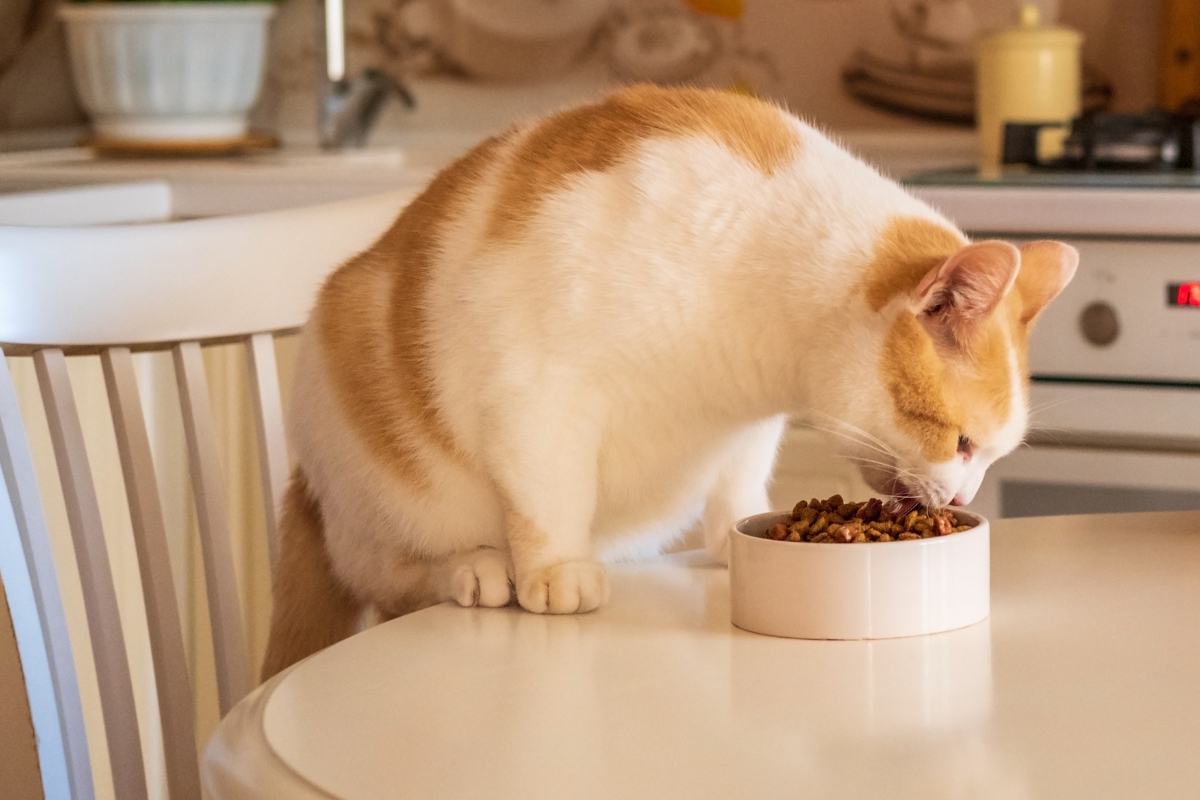
While wet food is a great option, some cats still prefer dry food. If your senior cat prefers dry food, choose a high-quality option that focuses on protein rather than carbohydrates. Opt for dry food with a low glycemic index to prevent blood sugar spikes, which is especially important for diabetic cats. Make sure to provide fresh water to complement the dry food and help with hydration.
3. Prescription Diets for Specific Health Needs
If your cat suffers from specific health issues, such as kidney disease, diabetes, or arthritis, prescription diets can be a game-changer. These diets are formulated with the right balance of nutrients to manage the health condition. Always consult with your veterinarian at Animal Medical Clinic of Gulf Gate for a tailored recommendation.
4. Home-Cooked Meals
If you’re up for it, home-cooked meals can provide the freshest, most nutritious food for your senior cat. However, it’s important to work with your veterinarian to ensure the meals are nutritionally balanced. Overcooking or undercooking certain ingredients can lead to nutrient imbalances, so always seek professional guidance.
Hydration: An Often Overlooked Concern for Senior Cats
Hydration becomes even more crucial for senior cats. Cats often don’t drink enough water, which can exacerbate kidney issues and cause urinary tract problems. To encourage hydration, offer a variety of water sources, including a pet water fountain, or try adding water or low-sodium broth to their food. Wet food also helps with hydration, so it’s a great choice for cats who aren’t big drinkers.
Special Considerations for Senior Cat Diets
1. Arthritis-Friendly Foods
Senior cats are more likely to develop arthritis, which can make movement painful. Joint-supporting nutrients like glucosamine and chondroitin can help manage arthritis symptoms. Look for senior cat foods that are enriched with these ingredients or consider supplements after consulting with your vet.
2. Food Texture
Some senior cats may have dental issues or reduced ability to chew due to age. Opt for softer food textures that are easier to chew and digest. If your cat has trouble eating, consider wet food or foods that can be easily mashed for comfort.
How to Make Mealtime Enjoyable for Your Senior Cat
It’s important to create a comfortable eating environment for your senior cat. Keep their food and water bowls in a quiet, easily accessible spot. If they have mobility issues, consider using raised food bowls to reduce strain on their neck and back.
Additionally, try serving smaller meals more frequently throughout the day instead of large portions. This can help manage their digestion and metabolism. Always make sure the food is at room temperature to enhance its aroma and appeal.
Caring for a senior cat requires special attention to their nutritional needs. By choosing the best foods that support their aging bodies, you can help them live longer, healthier lives. If you’re in Sarasota, FL, and looking for senior cat care, don’t hesitate to reach out to Animal Medical Clinic of Gulf Gate. Our compassionate team is here to provide the best care for your feline companion.
Ready to support your senior cat’s health? Book an appointment today at Animal Medical Clinic of Gulf Gate, and we’ll guide you through the best food options for your pet’s well-being.
FAQs
Q1. What is the best food for senior cats with kidney disease?
Ans. For senior cats with kidney disease, it’s essential to choose a food that’s low in phosphorus and high in high-quality protein. Prescription kidney care diets are often the best option. Always consult with your vet for specific recommendations.
Q2. How can I tell if my senior cat is getting enough nutrition?
Ans. Look for signs like weight loss, dull fur, or lack of energy, which can indicate poor nutrition. Regular vet check-ups are essential to assess your cat’s condition and adjust their diet accordingly.
Q3. Can I feed my senior cat homemade food?
Ans. Homemade food can be beneficial, but it’s crucial to ensure it’s nutritionally balanced. Work with your vet to create recipes that meet your cat’s specific dietary needs and prevent nutritional deficiencies.
Q4. Is it necessary to feed senior cats wet food?
Ans. While wet food can be beneficial due to its high moisture content, it’s not a necessity. If your cat prefers dry food, ensure it’s high-quality and well-balanced, and make sure they drink enough water.
Q5. Can senior cats eat foods designed for kittens?
Ans. It’s not recommended to feed senior cats food meant for kittens, as kittens need more calories and protein. Senior cats have different dietary requirements, such as lower fat content and fewer calories.
Q6. How can I improve my senior cat’s hydration?
Ans. Encourage hydration by offering fresh water, wet food, or adding water to dry food. A water fountain can be more appealing to cats, helping them drink more. Always keep fresh water available throughout the day.