As your feline companion gracefully enters their golden years, your role becomes even more important. Aging brings change; however, it does not mean your cat cannot enjoy a vibrant, comfortable life. With proactive attention and thoughtful adjustments, you can greatly improve your cat’s overall well-being.
Senior cats often slow down, sleep more, and develop subtle physical changes. Nevertheless, these shifts are manageable with proper support. By focusing on nutrition, mobility, dental health, and regular veterinary visits, you create a strong foundation for lifelong wellness.
Pet parents who want to help their aging cats thrive should take a proactive approach — especially those caring for older felines in Sarasota, FL.
Understand What Happens as Cats Age
First, it helps to understand how aging affects your cat’s body. Over time, metabolism slows and muscle mass gradually decreases. Additionally, organ function may change, particularly in the kidneys, thyroid, and heart. Because cats naturally hide discomfort, these issues can go unnoticed without routine exams.
Common age-related conditions include arthritis, dental disease, kidney disease, hyperthyroidism, and diabetes. Although these sound concerning, early detection allows effective management. Therefore, recognizing subtle changes in appetite, grooming habits, or litter box behavior is crucial.
By staying observant, you can intervene early and protect your cat’s quality of life.
Prioritize Balanced Senior Nutrition
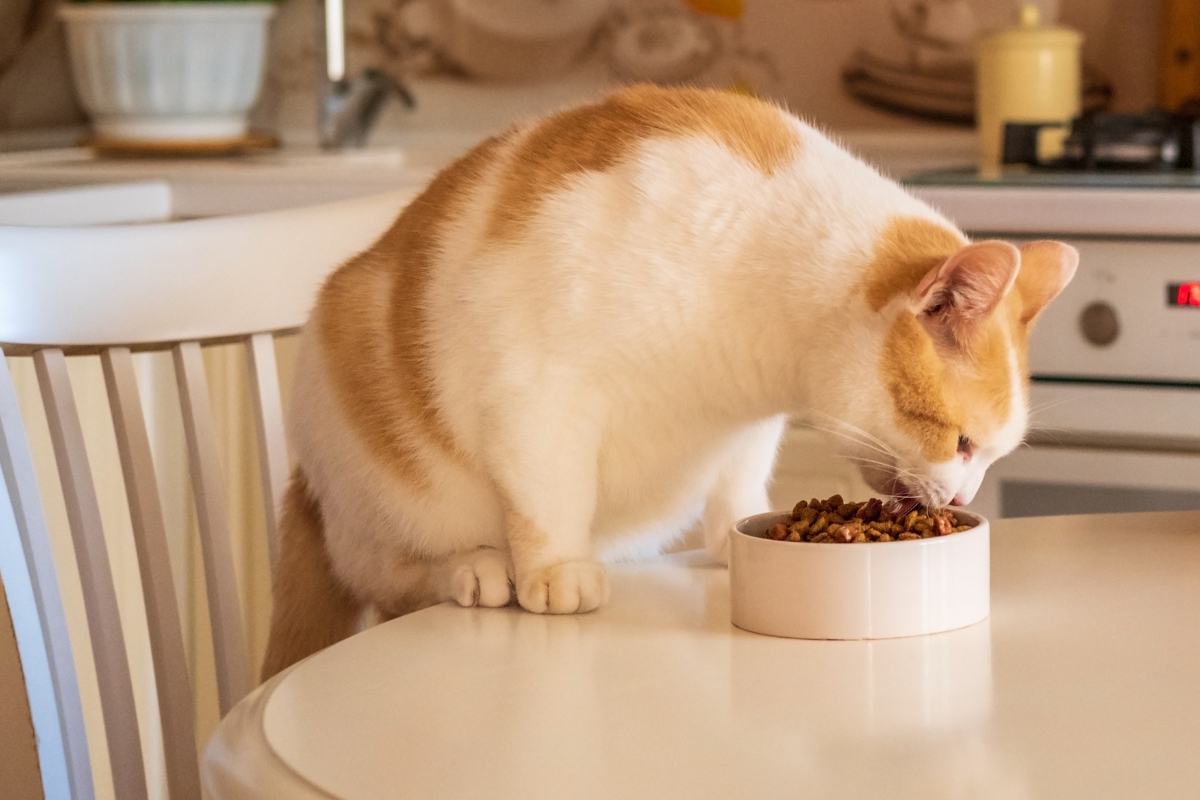
Nutrition plays a vital role in supporting aging cats. As metabolism slows, calorie requirements may decrease. However, protein quality remains essential to maintain muscle strength.
Choose high-quality senior-formulated cat food that includes:
- Easily digestible protein
- Omega-3 fatty acids for joint health
- Controlled phosphorus levels for kidney support
- Antioxidants to boost immunity
Furthermore, some senior cats struggle with dental discomfort. In these cases, mixing wet food with dry kibble or gently warming meals can improve palatability.
Always consult your veterinarian before changing diets. Sudden food transitions can upset digestion. A tailored nutrition plan is a cornerstone of effective senior cat care and long-term vitality.
Encourage Gentle, Consistent Movement
Although senior cats may not leap as high as they once did, regular activity still benefits them. Movement supports joint flexibility, circulation, and mental health.
You can encourage activity by:
- Scheduling short daily play sessions
- Using soft feather toys
- Providing low scratching posts
- Installing small ramps to favorite spots
Even brief sessions help maintain muscle tone. Additionally, staying active reduces stiffness associated with arthritis.
If your cat hesitates before jumping or appears stiff after resting, consult your veterinarian. Early joint support — such as supplements or medications — can greatly improve comfort.
Support Joint Health Proactively
Arthritis affects many older cats. Unfortunately, signs are often subtle. For example, your cat may stop grooming certain areas or avoid climbing stairs.
To improve comfort:
- Provide soft, padded bedding
- Place beds in warm, draft-free areas
- Use heated pet pads during cooler months
- Keep essentials on one accessible level
Veterinarians may recommend glucosamine, chondroitin, or omega-3 supplements. These can reduce inflammation and support cartilage health.
By taking proactive steps, you minimize discomfort and help your cat remain mobile and independent.
Maintain a Healthy Weight
Weight management is essential for aging cats. Excess weight increases joint strain, while being underweight may signal underlying disease.
Weigh your cat regularly and monitor body condition. If you notice sudden weight changes, consult your veterinarian promptly.
Additionally, consider smaller, more frequent meals. This approach stabilizes energy levels and supports digestion. Puzzle feeders can also encourage mental stimulation while controlling portions.
Healthy weight maintenance is another important aspect of comprehensive senior cat care.
Prioritize Dental Health
Dental disease commonly affects senior cats and can lead to pain or infection. Bad breath, drooling, and difficulty eating are common warning signs.
Professional dental exams and cleanings prevent tartar buildup and reduce bacteria. Furthermore, untreated oral infections may impact internal organs if bacteria enter the bloodstream.
At home, you can:
- Brush gently with feline-safe toothpaste
- Offer dental-approved treats
- Provide wet food if chewing becomes difficult
By maintaining oral health, you preserve appetite and prevent avoidable discomfort.
Stimulate Mental Engagement
Mental stimulation remains just as important as physical health. As cats age, cognitive changes may occur. However, interactive play and environmental enrichment help maintain mental sharpness.
Rotate toys regularly to maintain novelty. Provide window perches for birdwatching. Hide small treats inside puzzle toys to encourage curiosity.
Additionally, maintain consistent daily routines. Cats thrive on predictability. Regular feeding and play schedules reduce anxiety and promote emotional security.
Mental enrichment keeps your cat engaged, curious, and content.
Make the Litter Box Senior-Friendly
Accessibility becomes increasingly important with age. Senior cats may struggle with high litter box sides or distant locations.
To improve comfort:
- Use low-entry litter boxes
- Place boxes on each level of your home
- Keep boxes clean and odor-free
- Avoid moving boxes frequently
Small adjustments can prevent accidents and reduce stress.
Schedule Regular Veterinary Exams
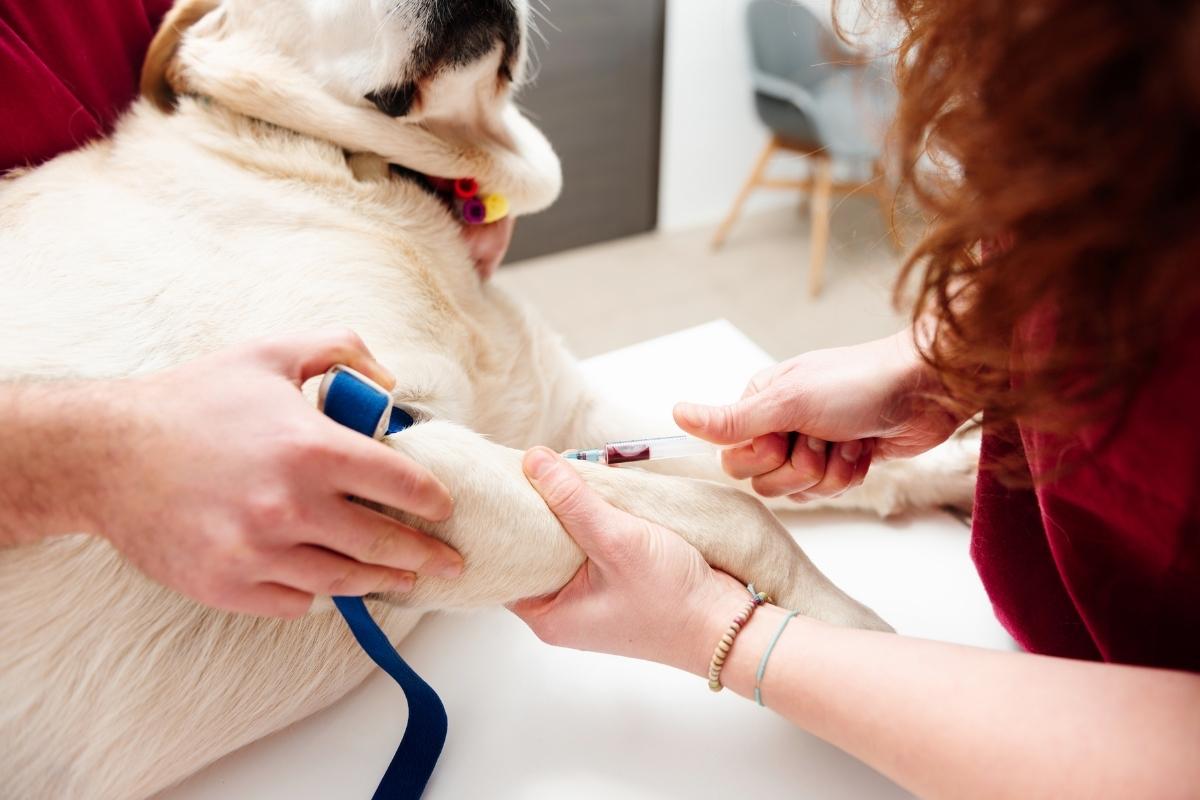
Routine checkups become even more critical as your cat ages. Most veterinarians recommend exams every six months for senior cats.
During these visits, your veterinarian may perform:
- Bloodwork to monitor organ function
- Urinalysis to assess kidney health
- Thyroid testing
- Blood pressure checks
Early detection significantly improves treatment outcomes. At Animal Medical Clinic of Gulf Gate, the veterinary team focuses on preventive care and personalized treatment plans for aging felines.
Regular monitoring ensures that manageable conditions remain under control before they become severe.
Watch for Behavioral Changes
Behavioral shifts often signal health concerns. Increased vocalization, confusion, hiding, or altered sleep patterns may indicate discomfort or cognitive changes.
Do not assume these signs are simply “old age.” Instead, consult your veterinarian to rule out medical causes. Addressing concerns early supports comfort and longevity.
The Emotional Reward of Caring for a Senior Cat
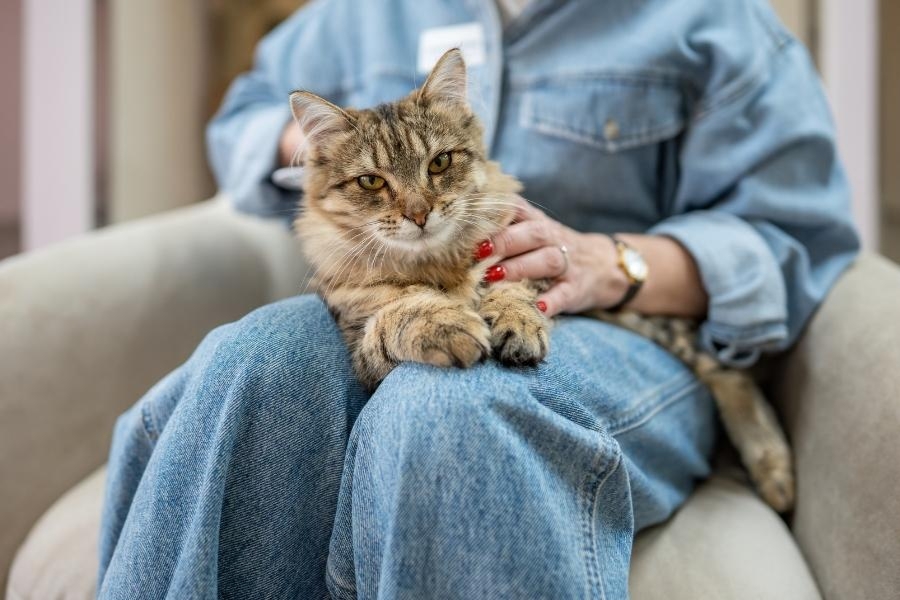
Although aging presents challenges, it also deepens your bond. Senior cats often become more affectionate and attached to their caregivers. They seek comfort, warmth, and companionship.
By providing thoughtful attention and compassionate support, you ensure these golden years remain fulfilling.
Pet parents in Sarasota value proactive, preventive care to support their aging feline companions. With expert guidance and attentive observation, your cat can continue to thrive.
Caring for an aging feline requires attentiveness, patience, and proactive healthcare. By supporting nutrition, mobility, dental health, and mental stimulation, you can significantly enhance your cat’s quality of life.
If you are in Sarasota and looking for a senior cat care, book an appointment with Animal Medical Clinic of Gulf Gate. Our veterinary team is dedicated to providing compassionate, comprehensive support to help your senior cat stay comfortable, healthy, and happy throughout their golden years.
FAQs
Q1. What age is considered senior for cats?
Ans. Most cats are considered senior around 7–10 years of age. However, some cats may show age-related changes earlier depending on breed, genetics, and overall health.
Q2. How often should I take my senior cat to the vet?
Ans. Senior cats should ideally visit the veterinarian every six months. Regular checkups help detect conditions like kidney disease, arthritis, or thyroid issues early.
Q3. What are common signs of aging in cats?
Ans. Common signs include sleeping more, reduced jumping ability, weight changes, cloudy eyes, and behavioral shifts. Subtle changes often signal the need for a veterinary evaluation.
Q4. Should I switch my cat to a senior diet?
Ans. Yes, many aging cats benefit from senior-formulated food that supports joint health, digestion, and organ function. Always consult your veterinarian before making dietary changes.
Q5. How can I help my senior cat with arthritis?
Ans. Provide soft bedding, easy access to litter boxes, and low-height resting areas. Your veterinarian may also recommend joint supplements or medications to improve mobility.
Q6. Can senior cats still play and stay active?
Ans. Absolutely. Gentle daily play sessions help maintain muscle tone, mental stimulation, and emotional well-being. Adjust activities to match your cat’s comfort level.