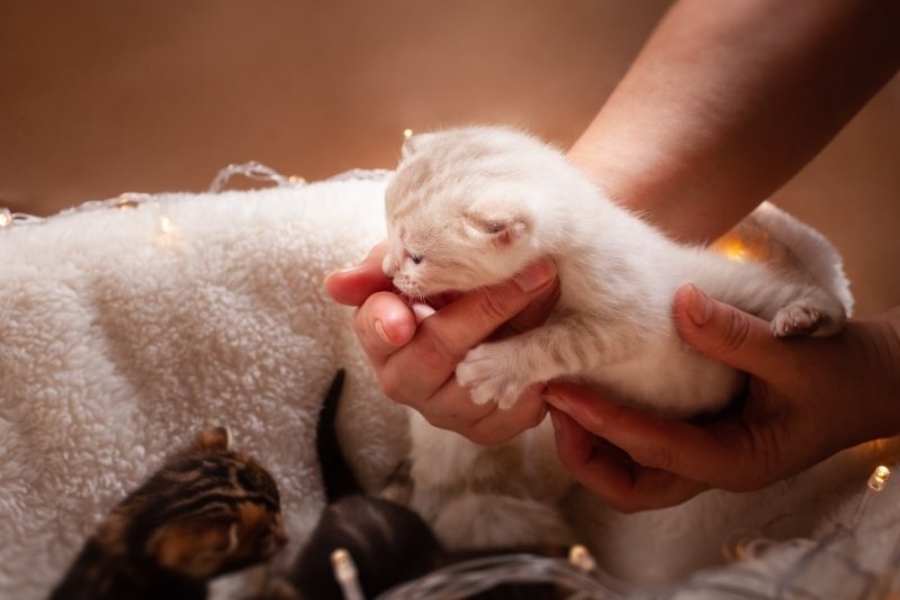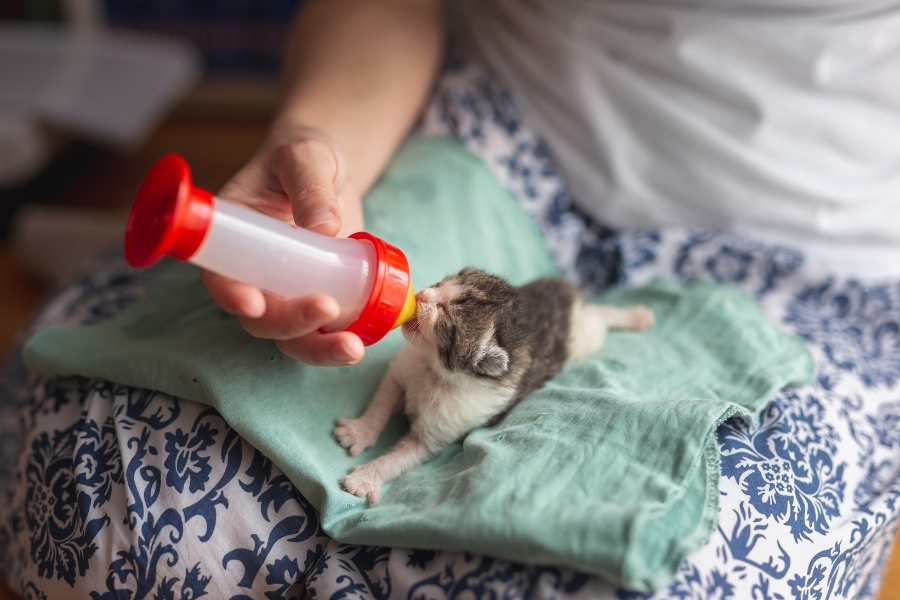
Bringing home a kitten is an exciting experience. These tiny companions bring joy, curiosity, and endless entertainment to any household. However, caring for a young cat also comes with responsibilities. New pet owners must understand how to provide proper nutrition, hygiene, comfort, and medical attention to ensure their kitten grows into a healthy adult cat.
In the first few months of life, kittens develop rapidly. Therefore, providing the right environment and routine is essential for their physical and emotional well-being. From feeding schedules to litter training, every aspect of daily life plays a role in their development.
This guide explains everything new pet parents need to know to raise a happy and healthy kitten. If you are a first-time pet owner, these practical tips will help you confidently handle the early stages of pet parenting. This blog is especially helpful for cat lovers living in Sarasota, FL.
Preparing Your Home for a New Kitten
Before bringing your kitten home, it is important to create a safe and comfortable environment. Kittens are naturally curious and love exploring their surroundings. Because of this, your home should be kitten-proofed to avoid accidents.
First, remove small objects that could be swallowed. Electrical cords should also be secured or hidden because kittens enjoy chewing on them. Additionally, keep toxic plants, cleaning chemicals, and medications out of reach.
Next, prepare essential supplies. A kitten will need:
- A comfortable bed
- Food and water bowls
- A litter box
- Scratching posts
- Safe toys for playtime
Creating a quiet space where your kitten can relax will also help them adjust more quickly to their new home.
Feeding Your Kitten the Right Diet
Proper nutrition plays a major role in early development. Since kittens grow quickly, they require more calories and nutrients than adult cats.
Most veterinarians recommend feeding high-quality kitten food specifically formulated for young cats. These formulas contain the right balance of protein, fats, vitamins, and minerals needed for healthy growth.
Feeding Guidelines
For the best results, follow these basic feeding tips:
- Feed small meals several times a day
- Provide fresh water at all times
- Choose food labeled for kittens
- Avoid giving human food
Additionally, kittens usually eat three to four meals daily until they reach six months of age. After that, you may gradually transition to fewer meals.
Monitoring weight and appetite is also important. If your kitten suddenly stops eating or shows unusual behavior, consult a veterinarian promptly.
Setting Up Litter Box Training
Litter training is usually easy because kittens naturally prefer burying their waste. Still, new pet owners should guide them during the first few days.
Place the litter box in a quiet and easily accessible area. Avoid placing it near food and water bowls, since cats prefer separating eating and bathroom spaces.
When your kitten wakes up from naps or finishes eating, gently place them in the litter box. Repeating this routine helps them understand where to go.
Cleaning the litter box daily is also essential. Cats prefer clean environments, and a dirty litter box may discourage them from using it.
Grooming and Hygiene Basics
Even though cats are known for grooming themselves, kittens still need occasional help with hygiene. Regular grooming also helps build trust between you and your pet.
Brush your kitten’s fur once or twice a week to remove loose hair and prevent tangles. Long-haired breeds may require more frequent brushing.
You should also check the following areas regularly:
- Ears for dirt or odor
- Teeth for plaque buildup
- Nails for trimming when necessary
Bathing is rarely needed unless the kitten becomes very dirty. When bathing is required, always use a shampoo specifically designed for cats.
Practicing gentle grooming early helps kittens become comfortable with handling, which makes future veterinary visits easier.
Creating a Safe and Stimulating Environment
Kittens are playful and energetic animals. They require daily stimulation to stay mentally and physically active.
Providing toys encourages exercise and prevents destructive behavior. Toys that mimic prey—such as feather wands or moving balls—are especially popular with kittens.
Scratching posts are also essential. Scratching helps cats stretch their muscles and maintain healthy claws. Therefore, offering scratching surfaces protects your furniture as well.
In addition, interactive playtime strengthens the bond between you and your kitten. Spending just 15 to 20 minutes playing together each day can make a big difference in their overall happiness.
Monitoring Health and Veterinary Care
Regular veterinary visits are crucial during the first year of a kitten’s life. These appointments allow professionals to monitor growth and detect health concerns early.
During routine visits, veterinarians typically perform:
- Physical examinations
- Vaccinations
- Parasite prevention treatments
- Growth monitoring
Vaccinations protect kittens from serious diseases, so following the recommended schedule is extremely important.
Additionally, spaying or neutering may be discussed when your kitten reaches the appropriate age. This procedure helps prevent certain health issues and reduces unwanted behaviors.
Proper kitten care also includes watching for signs of illness such as:
- Loss of appetite
- Vomiting or diarrhea
- Lethargy
- Sneezing or coughing
If any of these symptoms appear, contact a veterinarian promptly.
Socialization and Training
Early socialization helps kittens grow into confident and friendly cats. Introducing them to different people, sounds, and experiences helps reduce fear later in life.
Start slowly by allowing the kitten to explore new areas under supervision. Gentle interaction with family members helps build trust.
Positive reinforcement is the best training method. Reward good behavior with treats, affection, or playtime.
For example, if your kitten uses the scratching post instead of furniture, praise them immediately. Over time, they will associate the behavior with positive experiences.
Avoid punishment, as it may create fear and stress. Instead, redirect unwanted behaviors toward appropriate activities.
Understanding Kitten Behavior
Kittens communicate through body language, sounds, and behavior. Learning these signals helps owners respond to their needs effectively.
For example:
- Purring usually indicates comfort or happiness
- Tail flicking may show excitement or irritation
- Slow blinking often signals trust
Additionally, kittens experience bursts of energy known as “zoomies.” This sudden running or jumping behavior is completely normal and usually happens during playtime.
Understanding these behaviors helps owners create a supportive and stress-free environment for their pets.
Building a Routine
Animals thrive on consistency, and kittens are no exception. Establishing a routine helps them feel secure and comfortable in their new home.
A typical daily routine may include:
- Scheduled feeding times
- Regular play sessions
- Litter box cleaning
- Quiet sleeping periods
Maintaining consistency also makes training easier. When kittens know what to expect, they adapt faster and develop positive habits.
Common Mistakes New Kitten Owners Should Avoid
While caring for a kitten can be rewarding, beginners sometimes make avoidable mistakes. Fortunately, learning about these issues early can prevent problems later.
Some common mistakes include:
- Overfeeding or giving inappropriate foods
- Skipping veterinary checkups
- Ignoring playtime and mental stimulation
- Allowing unsafe household hazards
Being proactive helps ensure your kitten remains healthy and safe.
Raising a kitten requires patience, dedication, and proper knowledge. By providing balanced nutrition, a safe home, regular veterinary care, and plenty of love, you can help your kitten grow into a healthy and happy companion.
If you are in Sarasota, FL and need guidance related to kitten care, book an appointment with Animal Medical Clinic of Gulf Gate. Our veterinary team is dedicated to helping pet owners provide the best possible care for their feline companions.
FAQs
Q1. What is the best age to adopt a kitten?
Ans. The ideal age to adopt a kitten is around 8 to 10 weeks. At this stage, kittens are usually weaned from their mother and ready to adjust to a new home environment.
Q2. How often should I take my kitten to the veterinarian?
Ans. Kittens should visit the veterinarian several times during their first year for vaccinations, wellness exams, and parasite prevention. Regular checkups help ensure healthy growth and development.
Q3. What type of food should I give my kitten?
Ans. Kittens should eat high-quality food formulated specifically for their age. These diets provide the essential nutrients needed for proper growth and energy.
Q4. How do I help my kitten feel comfortable in a new home?
Ans. Provide a quiet space with a bed, food, water, and a litter box. Give your kitten time to explore slowly and offer gentle interaction to help build trust.
Q5. When should kittens start using a scratching post?
Ans. Kittens can start using a scratching post as early as 8 weeks old. Introducing one early helps protect furniture and supports healthy claw development.
Q6. How much playtime does a kitten need each day?
Ans. Kittens benefit from at least 15–30 minutes of interactive play daily. Regular play sessions help keep them active, mentally stimulated, and well-socialized.