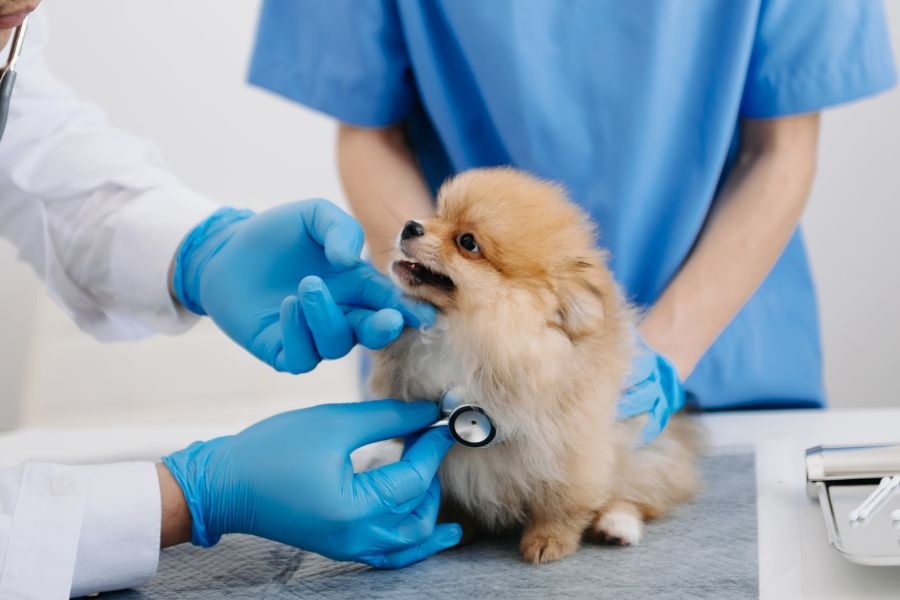
Most pet owners love their dogs and cats deeply, but are genuinely unsure how often a healthy animal needs to see a veterinarian. The answer is not one-size-fits-all. A wellness exam for pet owners should happen at a frequency that reflects their animal’s age, species, breed, and health history. Puppies and kittens need visits every few weeks during their first months of life. Healthy adult pets need at least one thorough exam per year. Senior pets need two. Missing these windows does not just mean skipping a vaccine. It means losing the opportunity to catch weight changes, organ function shifts, dental disease, and early signs of conditions that are far easier to treat when found early. This guide lays out a clear exam schedule for every life stage so you know exactly when to book and why each visit matters.
How Often Should Dogs Get Wellness Exams?
Knowing how often vet visits for dogs require depends almost entirely on age. The schedule shifts significantly from puppyhood through the senior years, and following it closely gives your dog the best chance of staying healthy long term.
Puppies (8 weeks to 16 weeks): Puppies need a visit every 3 to 4 weeks during this window. Each appointment delivers the next round of core vaccines, a parasite check, and a physical exam to confirm healthy development. Missing a round in this series leaves gaps in immunity during the period your puppy is most vulnerable.
Young adults (4 months to 7 years): Once the puppy series is complete and your dog is spayed or neutered, annual wellness visits are the standard recommendation. These yearly exams include a full physical, heartworm test, fecal parasite check, vaccine boosters as needed, and a dental evaluation.
Senior dogs (7 years and older, or 5 to 6 for large breeds): The American Animal Hospital Association (AAHA) recommends twice-yearly exams for senior dogs. Bloodwork, urinalysis, blood pressure measurement, and a thorough pain assessment are added to the standard physical at this stage. Organ function can shift meaningfully within six months in an older dog, and twice-yearly visits are designed to catch those changes before they become crises.
In our experience, many dog owners skip annual visits when their pet seems perfectly healthy. The problem is that dogs are instinctively good at masking discomfort and early illness. By the time symptoms are visible, conditions like kidney disease, dental infection, and heart disease are often well advanced.
How Often Should Cats Get Wellness Exams?
An annual cat checkup in Sarasota cat owners prioritize is one of the most effective things cat owners can do for their pet’s long-term health, yet cats are significantly underserved in veterinary care compared to dogs. Studies consistently show that cats visit the veterinarian far less often than dogs, partly because they hide illness so effectively that owners assume nothing is wrong.
The recommended schedule for cats mirrors the one for dogs, with age-based adjustments:
Kittens (8 weeks to 16 weeks): Visits every 3 to 4 weeks for vaccines, parasite testing, and developmental monitoring. Feline leukemia and FIV testing are typically performed during this window as well.
Adult cats (1 year to 10 years): Annual wellness exams are the standard. A full physical, dental evaluation, vaccine review, and parasite screening should happen every twelve months without exception.
Senior cats (10 years and older): Twice-yearly exams are strongly recommended. Hyperthyroidism, kidney disease, hypertension, and diabetes are all common in older cats and are all detectable through bloodwork and physical examination before outward symptoms develop.
Pet owners often tell us their cat hates the carrier and the car ride, so they avoid vet visits unless something seems wrong. We understand that concern completely. Our team works hard to make every visit as calm and low-stress as possible, because consistent veterinary care is genuinely lifesaving for cats.
What Does a Dog Wellness Exam Schedule Actually Include?
A dog wellness exam schedule is not just a vaccine appointment. Each life-stage exam covers a specific set of evaluations tailored to what your dog needs at that point in their health journey.
A standard adult annual exam includes:
- Full nose-to-tail physical: Weight, body condition score, eyes, ears, teeth, heart, lungs, skin, coat, abdomen, and limb assessment
- Heartworm test: Required annually in Florida, where mosquito season is essentially year-round
- Fecal parasite test: Checks for roundworms, hookworms, whipworms, and Giardia
- Vaccine review: Core and lifestyle vaccines assessed and administered based on the current schedule
- Dental evaluation: Grading of tartar buildup, gum health, and tooth integrity
- Parasite prevention review: Flea, tick, and heartworm prevention confirmed and updated
- Nutritional and weight assessment: Identifying trends toward obesity or muscle loss before they become serious
For senior dogs, the exam expands to include bloodwork covering kidney and liver values, thyroid levels, blood glucose, red and white blood cell counts, urinalysis, and blood pressure measurement.
Why Veterinary Wellness Care Requires Year-Round Attention
Veterinary care for Florida pet owners needs to account for conditions that simply do not exist in the same way in northern climates. Sarasota’s warm, humid environment creates specific risks that make consistent preventive care more urgent here than in most of the country.
A common misconception among Florida pet owners is that indoor-only cats do not need parasite prevention. In reality, fleas enter homes on clothing and shoes, and mosquitoes carrying heartworm larvae have no trouble finding an indoor cat. Indoor status reduces risk but does not eliminate it.
How to Stay on Schedule with Pet Wellness Exams
Staying consistent with wellness visits is easier when you treat them the same way you treat your own annual physical: as a non-negotiable calendar appointment rather than something to schedule when you get around to it.
Keep a simple file, either physical or digital, with your pet’s health records, vaccine history, and any notes from previous exams. Bringing that information to appointments helps your vet identify trends and changes that might otherwise go unnoticed. Animal Medical Clinic of Gulf Gate offers comprehensive wellness care for dogs and cats in Sarasota, with an experienced team that creates personalized exam schedules based on your pet’s specific age, breed, and health history.
Conclution
The right exam frequency is one of the most powerful tools you have for keeping your pet healthy for as long as possible. A pet diagnostic exam Sarasota families schedule consistently gives your veterinarian the visibility to catch problems early, update prevention, and track changes before they become emergencies. Puppies and kittens need frequent visits. Healthy adults need annual exams. Senior pets need twice-yearly care. Every stage matters. Animal Medical Clinic of Gulf Gate is here to guide you through each one with honest, thorough, and compassionate veterinary care. Book an appointment today.
Frequently Asked Questions
How often should a healthy adult dog visit the vet?
Ans: Healthy adult dogs between one and seven years of age should visit the veterinarian once per year for a full wellness exam. That visit covers a physical examination, heartworm test, fecal parasite check, vaccine review, and dental evaluation. In Florida’s climate, annual heartworm testing and year-round prevention are especially critical.
How often should senior cats get a wellness exam?
Ans: Senior cats aged ten and older should see a veterinarian twice per year. Older cats are prone to hyperthyroidism, kidney disease, high blood pressure, and diabetes, all of which can be detected through bloodwork and physical examination well before visible symptoms appear. Twice-yearly visits allow for early intervention when treatment is most effective.
Does my indoor cat really need annual checkups?
Ans: Yes. Indoor cats still require annual wellness exams because they are at risk for dental disease, obesity, kidney disease, hyperthyroidism, and behavioral changes linked to underlying health conditions. Fleas can enter the home on clothing, and mosquitoes carrying heartworm larvae can reach indoor cats, making parasite prevention relevant regardless of indoor status.
What is included in a dog wellness exam at an animal clinic?
Ans: A standard adult dog wellness exam includes a full physical assessment, heartworm test, fecal parasite screening, vaccine review, dental evaluation, parasite prevention review, and nutritional assessment. Senior dogs receive additional bloodwork, urinalysis, and blood pressure measurement to monitor organ function and catch age-related conditions early.
Why does my pet need more frequent vet visits as they get older?
Ans: Senior pets experience health changes more rapidly than younger animals. Organ function, body weight, blood values, and pain levels can shift significantly within just six months. Twice-yearly exams for senior dogs and cats allow veterinarians to track those changes, adjust medications or diets as needed, and address problems before they reach an advanced or painful stage.
Related Articles