Your cat has been scheduled for a procedure, and your mind is racing. What exactly will happen? Is it safe? How long will recovery take? These are the questions every cat owner asks, and they deserve clear, honest answers. Surgical care for cats has advanced significantly over the past two decades, and understanding what lies ahead can turn anxiety into confidence. This guide walks you through every phase of the process, from the days leading up to surgery to the moment your cat is back to stealing your spot on the couch.
Why Cats Need Soft-Tissue Surgery and What It Covers
Soft-tissue surgery in cats refers to procedures involving the organs, skin, and internal structures anything that does not involve bones or joints. This category is broad and includes some of the most common and life-saving interventions in feline medicine.
Common reasons a cat may need soft-tissue surgery include mass or tumor removal, intestinal obstruction, bladder stone extraction, wound repair, hernia correction, and internal organ issues such as problems with the liver, spleen, or intestines. Reproductive surgeries such as spay procedures also fall under this category.
According to general veterinary estimates, a significant portion of feline surgical cases each year involve soft-tissue conditions, many of which go undetected until symptoms become obvious. Early diagnosis leads to better outcomes. The sooner a problem is identified, the more straightforward the surgical solution tends to be.
Signs Your Cat May Need Surgical Attention
Cats are experts at masking pain. By the time visible symptoms appear, an underlying condition may have already progressed. Knowing what to watch for can save your cat’s life.
- Persistent vomiting or retching: One episode is usually nothing, but repeated vomiting, especially without food or hairball production, can signal an obstruction or internal issue.
- Sudden loss of appetite: Cats that stop eating for more than 24 to 48 hours need prompt evaluation.
- Visible lump or swelling: Any new mass on or under the skin should be checked, regardless of size.
- Straining to urinate or defecate: This can indicate a blockage requiring immediate attention.
- Labored breathing or unusual posture: A cat that hunches, avoids movement, or breathes with visible effort needs to be seen the same day.
As Dr. Stephanie Lantry, DVM, and co-owner of Animal Medical Clinic of Gulf Gate, often reminds cat owners: “Cats are stoic by nature. What looks like laziness or a slight behavior change can sometimes be a cat quietly managing significant discomfort. Trust your instincts as an owner. You know your cat best.”
If you notice any of these signs, contact your veterinarian promptly. Early action matters most when signs of cat soft tissue surgery are first appearing.
How to Prepare Your Cat Before Surgery
Preparation starts at home, and what you do in the hours before surgery has a direct impact on safety outcomes.
Fasting is non-negotiable. Your veterinary team will give you specific fasting instructions, typically no food after midnight the night before. This reduces the risk of aspiration during anesthesia, one of the most preventable surgical complications. Do not skip this step, even if your cat is begging.
Keep stress low. Limit handling and loud household activity in the hours before the appointment. Use a secure, well-ventilated carrier lined with a familiar blanket. A calm cat is easier to sedate safely.
Share full medical history. Inform your veterinarian about every supplement, medication, or health condition your cat has. Even seemingly minor details, like a recent bout of vomiting or a change in drinking habits, can influence anesthetic choices.
Pre-surgical bloodwork is standard. Most clinics perform bloodwork before general anesthesia to assess kidney function, liver health, and overall systemic status. This is a critical safety step, not an optional add-on.
What Happens During Cat Soft-Tissue Surgery: A Step-by-Step Overview
Understanding what happens in the surgical suite removes much of the mystery and fear. Here is a clear sequence of what to expect:
- Check-in and pre-anesthetic assessment. Your cat arrives and is weighed, temperature-checked, and evaluated by the surgical team before anything else happens. Any concerning findings are addressed before proceeding.
- Pre-anesthetic sedation. A sedative is administered to reduce anxiety and begin the anesthesia process gently. This makes induction smoother and reduces the total amount of anesthetic needed.
- Induction and intubation. An IV catheter is placed, anesthesia is induced, and a breathing tube is positioned to maintain the airway and deliver inhaled anesthetic gas throughout the procedure.
- Continuous monitoring. A trained technician monitors your cat’s heart rate, respiratory rate, blood oxygen levels, blood pressure, and body temperature throughout the entire procedure.
- The surgical procedure. The surgeon performs the procedure under sterile conditions. Techniques vary depending on whether the goal is mass removal, organ repair, or another intervention.
- Recovery from anesthesia. After the procedure, your cat is moved to a warm, quiet recovery space where the team monitors the return to consciousness. Most cats are awake within 30 to 90 minutes.
This step-by-step sequence reflects standard practice at clinics providing what to expect cat surgery experience to pet owners across Sarasota, FL. Knowing each phase in advance helps you ask the right questions and set realistic expectations.
Cat Surgery Recovery Tips for the Days and Weeks After
The recovery period is where your role as a caregiver becomes most important. Post-operative care at home directly influences how quickly and comfortably your cat heals.
Restrict activity immediately. No jumping, running, or rough play for the duration of your vet’s prescribed rest period. This typically ranges from one to three weeks depending on the procedure. Confine your cat to a smaller, safe space if needed.
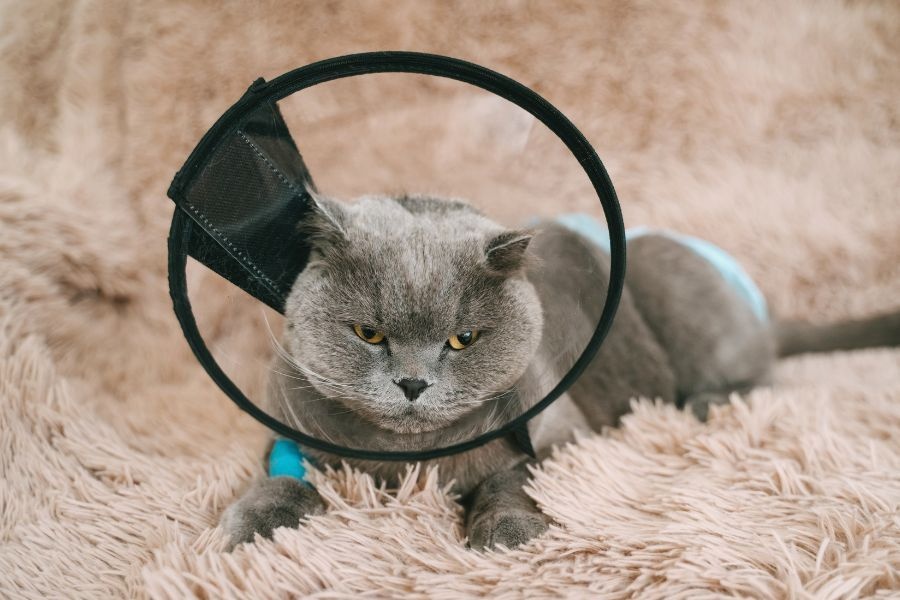
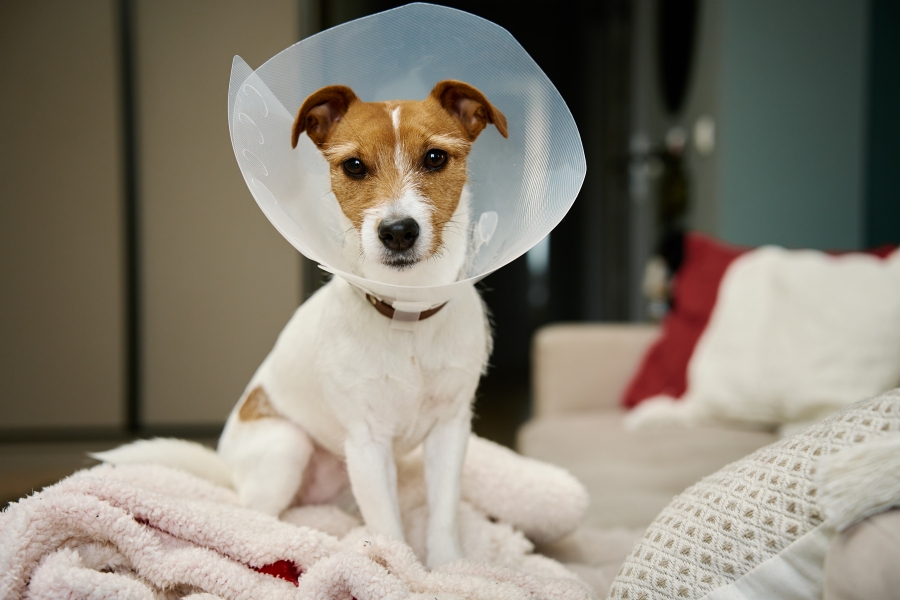
Monitor the incision daily. Check for redness, swelling, discharge, or any sign that your cat is licking or scratching the site. An e-collar, also called a cone, is not optional. Cats are persistent groomers, and a healing incision can be undone quickly without protection.
Pain management matters. Your veterinarian will prescribe appropriate pain relief. Never give human pain medications to your cat. Even small doses of common human analgesics can be fatal to cats. Follow the prescribed protocol exactly, and contact your vet if your cat seems uncomfortable despite medication.
Follow-up appointments are not optional. Suture checks and post-operative exams confirm healing is on track. Many complications are caught and corrected easily if identified early at a follow-up visit.
Watch for warning signs. Pale gums, extreme lethargy beyond the first 24 hours, refusal to eat past the second day, fever, or worsening pain are all reasons to call your clinic right away.
These cat surgery recovery tips reflect what experienced veterinary teams see most often during post-op complications, which are typically tied to activity restriction failures or missed medications.
Choosing the Right Clinic for Your Cat’s Soft-Tissue Procedure
Not all veterinary practices offer the same level of surgical capability, and cat owners deserve to ask questions before committing to a provider.
Look for a clinic with a dedicated surgical suite, trained surgical staff, in-house diagnostics, and clear communication about anesthesia monitoring protocols. Ask who monitors your cat during surgery and whether bloodwork is performed beforehand. These are reasonable, important questions.
Animal Medical Clinic of Gulf Gate provides comprehensive cat soft tissue surgery for feline patients in Sarasota, FL, with a team experienced in soft-tissue procedures across a wide range of conditions. Led by Dr. Stephanie Lantry, DVM, who has been providing veterinary care in Sarasota since 1999 after completing her doctorate at Tufts University School of Veterinary Medicine, the clinic combines decades of hands-on experience with genuine compassion for every patient.
Conclusion
When your cat needs surgery, knowledge is your greatest tool. Understanding the process makes you a better advocate for your pet. Surgical care for cats, when performed by a skilled and caring team, is one of the most powerful ways to give your cat more healthy, comfortable years. Take the first step today. Book an appointment today.
Frequently Asked Questions
Q: How long does cat soft-tissue surgery typically take?
Ans: The length of surgery varies depending on the procedure. Simple mass removals may take 30 to 45 minutes, while more complex internal procedures can take one to two hours or longer. Your veterinarian will give you an estimated time frame during the pre-surgical consultation.
Q: How will I know if my cat is in pain after surgery?
Ans: Signs of pain in cats include hiding, reluctance to move, loss of appetite, changes in posture, and vocalizing when touched near the incision. Your vet will prescribe pain medication, and you should contact the clinic if your cat seems uncomfortable despite treatment.
Q: Can I feed my cat the night before surgery?
Ans: No. Your veterinary team will give you specific fasting instructions, typically no food after midnight before the procedure. Water restrictions vary by clinic and procedure. Follow your vet’s instructions exactly, as fasting reduces the risk of anesthesia complications.
Q: When can my cat return to normal activity after surgery?
Ans: Most soft-tissue procedures require one to three weeks of restricted activity. Your veterinarian will provide specific guidance based on the type of surgery performed and how well your cat heals. Follow-up exams help confirm when normal activity can resume.
Q: Is anesthesia safe for cats?
Ans: Modern veterinary anesthesia is very safe when administered by trained professionals with proper monitoring. Pre-surgical bloodwork helps identify any conditions that could increase risk. Throughout the procedure, a trained technician monitors your cat’s vital signs continuously to ensure a safe experience.