As your dog enters their golden years, their needs begin to change. Just like humans, senior dogs require extra attention and care to maintain their health and happiness. However, many pet owners might not realize how to adapt their routine to support aging dogs effectively. By understanding the unique challenges senior dogs face, you can ensure they enjoy a comfortable and fulfilling life.
Recognize the Signs of Aging
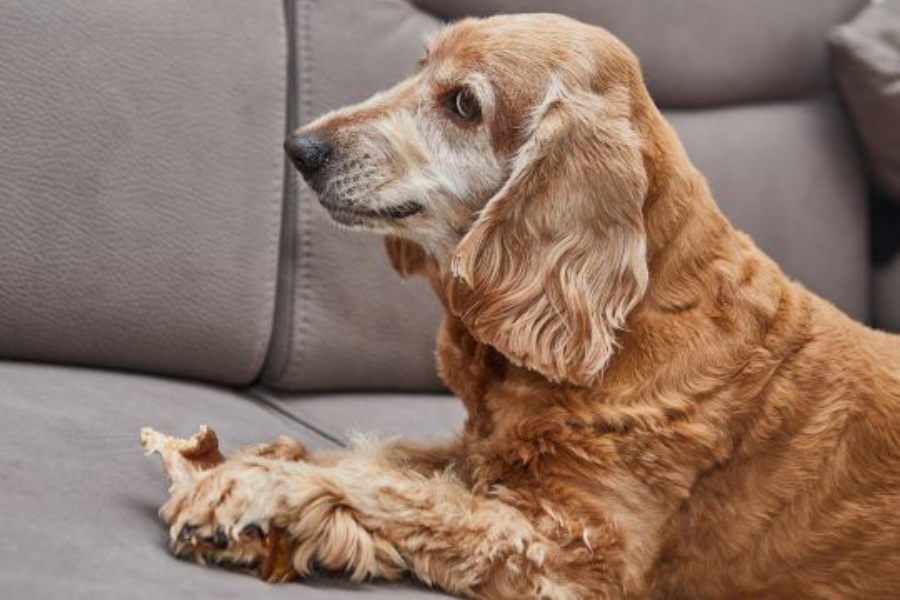
First and foremost, recognizing the signs of aging in your dog is crucial. Dogs typically begin their senior phase around age seven, although this varies depending on breed and size. Common signs include reduced energy, graying fur, stiffness when moving, and changes in appetite or behavior. By observing these changes closely, you can adjust their care to match their evolving needs.
Regular Veterinary Check-Ups
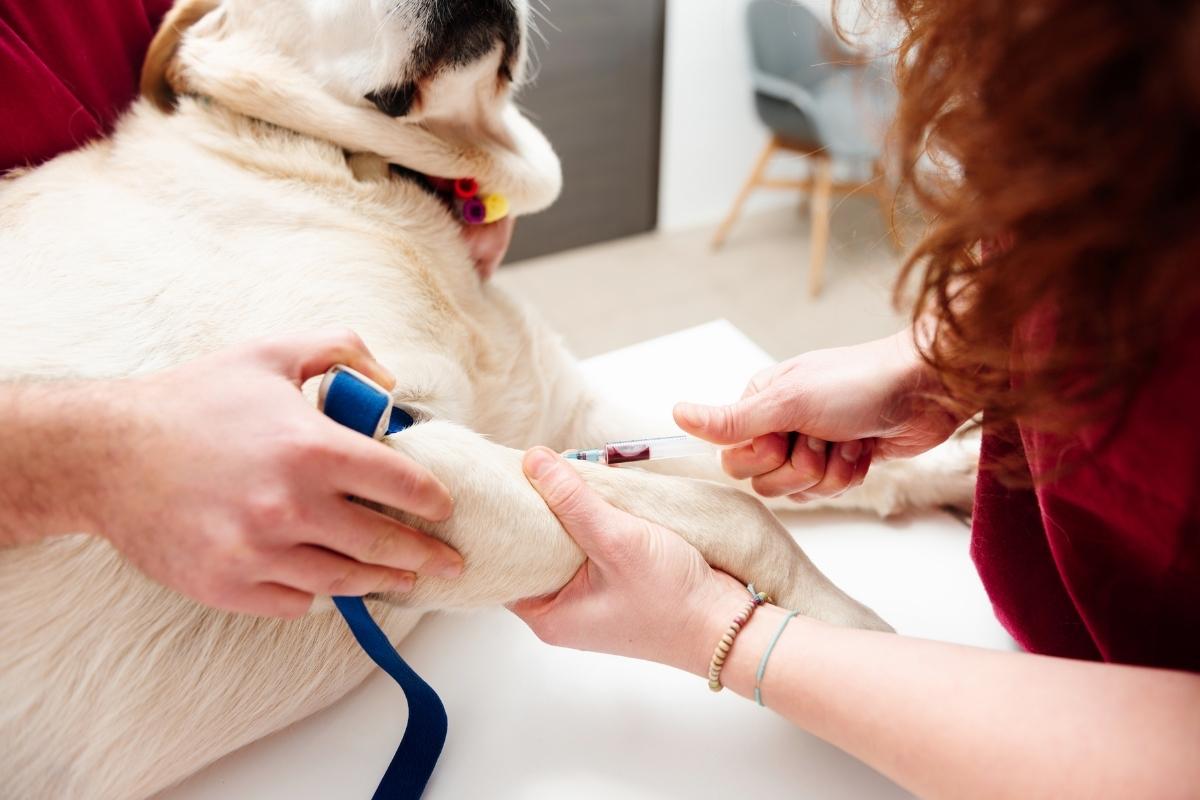
Next, prioritize regular veterinary visits. Senior dogs benefit from more frequent check-ups — ideally every six months. These visits allow your vet to monitor any emerging health issues early on. Blood tests, dental exams, and weight monitoring are essential parts of these appointments. Early detection of conditions like arthritis, kidney disease, or diabetes significantly improves treatment outcomes.
Balanced Nutrition for Aging Dogs
Nutrition plays a vital role in your senior dog’s well-being. As metabolism slows down, your dog may require a diet lower in calories but rich in essential nutrients. Specialized senior dog food often contains joint supplements, antioxidants, and fiber to support digestion and mobility. Additionally, avoid overfeeding to prevent obesity, which can exacerbate health problems like arthritis and heart disease.
Exercise and Mental Stimulation
Although your dog may not be as energetic as before, regular exercise remains important. Gentle walks and low-impact play help maintain muscle tone and joint flexibility. Moreover, mental stimulation through puzzle toys or training exercises keeps your dog’s mind sharp and reduces anxiety. Be sure to adjust activity levels according to their stamina and physical condition.
Maintain a Comfortable Environment
Creating a comfortable living space enhances your senior dog’s quality of life. Soft bedding, easy access to water, and ramps for climbing stairs are helpful additions. If your dog experiences arthritis, heated pads or orthopedic beds can relieve joint pain. Moreover, keeping their environment calm and free from stress supports emotional well-being.
Monitor Dental Health
Dental care is often overlooked, but remains critical for senior dogs. Dental disease can lead to pain, infection, and other systemic health issues. Brush your dog’s teeth regularly, and schedule professional cleanings as recommended by your vet. Additionally, provide dental chews or toys designed to reduce plaque buildup.
Manage Weight and Mobility
Weight management directly impacts your dog’s mobility. Excess weight puts additional strain on joints and can worsen arthritis symptoms. If your senior dog struggles with mobility, discuss options like physical therapy or joint supplements with your vet. These measures can improve comfort and extend your dog’s active years.
Watch for Behavioral Changes
Finally, please pay attention to behavioral changes, as they may signal health concerns. Increased irritability, confusion, or withdrawal can indicate cognitive decline or pain. Early intervention and treatments, including medications or environmental adjustments, can help manage these conditions.
Ultimately, caring for a senior dog requires dedication, observation, and a willingness to adapt. By recognizing signs of aging, providing appropriate nutrition, maintaining gentle exercise routines, and scheduling regular vet visits, you can greatly improve your dog’s quality of life during their golden years.
If you’re seeking professional help or resources for senior dog care in Sarasota, local veterinarians and pet care specialists like Animal Medical Clinic of Gulf Gate offer tailored services to support your aging companion. Book an appointment today. Remember, with love and proper care, your senior dog can thrive and continue to bring joy for many years to come.