Laser therapy, also known as cold laser or therapeutic laser treatment, uses concentrated light energy to stimulate healing at the cellular level. Unlike surgical lasers, therapeutic lasers do not cut or burn tissue. Instead, they gently penetrate the skin to reach muscles, joints, and connective tissues beneath the surface.
Once absorbed, the laser energy increases cellular activity, improves blood circulation, and reduces inflammation. As a result, pets experience faster healing, reduced pain, and improved mobility.
Because the treatment is non-invasive and drug-free, pet laser therapy works well for animals of all ages, including senior pets and those with chronic conditions.
How Pet Laser Therapy Works
To understand why laser therapy is so effective, it helps to know what happens inside the body during treatment.
Laser light triggers a process called photobiomodulation. In simple terms, this process energizes cells and encourages them to repair themselves more efficiently. As circulation improves, oxygen and nutrients reach damaged tissues faster. At the same time, the therapy reduces swelling and blocks pain signals sent to the brain.
Therefore, pets feel relief quickly—often after just a few sessions.
Conditions Treated with Laser Therapy
Laser therapy supports healing across a wide range of conditions. Because it treats inflammation and pain at the source, it offers benefits for both short-term injuries and long-term health concerns.
Common Conditions Treated with Pet Laser Therapy
- Arthritis and degenerative joint disease
- Hip and elbow dysplasia
- Muscle strains and ligament injuries
- Post-surgical recovery
- Soft tissue injuries
- Back and neck pain
- Tendon and ligament inflammation
- Wound healing
- Lick granulomas
- Chronic ear inflammation
Because of its versatility, pet laser therapy often complements other treatments, creating a well-rounded approach to pain management.
Why Laser Therapy Is Safe for Pets
Safety remains a top priority for every pet owner. Fortunately, laser therapy meets the highest standards of veterinary safety.
Key Safety Benefits
- Non-invasive: No needles, incisions, or anesthesia required
- Pain-free: Most pets relax during treatment
- Drug-free: Reduces reliance on pain medications
- No recovery time: Pets return to normal activity immediately
- Clinically proven: Backed by veterinary research
Veterinary professionals adjust laser intensity and treatment duration based on each pet’s size, condition, and comfort level. As a result, treatments remain gentle yet effective.
What to Expect During a Laser Therapy Session
Understanding what happens during treatment helps reduce anxiety for both pets and owners.
During the Session
- Your pet lies comfortably on a mat or bed
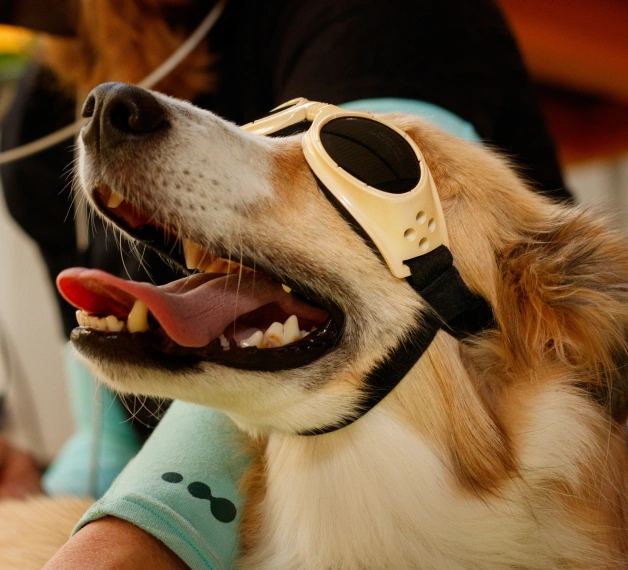
- Protective eyewear may be used for safety
- The veterinarian or technician moves the laser over the treatment area
- Sessions usually last 5 to 15 minutes
Many pets show signs of relaxation during therapy, including yawning or stretching. Because the treatment feels warm and soothing, pets rarely resist.
How Many Laser Therapy Sessions Does a Pet Need?
The number of sessions depends on the condition being treated.
- Acute injuries: Often improve within a few sessions
- Post-surgical recovery: Multiple sessions over several weeks
- Chronic conditions: Ongoing therapy may provide the best results
Your veterinarian will create a personalized plan based on your pet’s diagnosis, response to treatment, and long-term goals.
Benefits of Pet Laser Therapy
Laser therapy offers both immediate and long-term benefits, making it a valuable option for many pets.
Major Benefits Include:
- Reduced inflammation
- Faster healing
- Improved mobility
- Decreased stiffness
- Enhanced comfort
- Improved quality of life
Because pet laser therapy addresses pain at the cellular level, it often delivers results when traditional treatments alone are not enough.
Laser Therapy for Senior Pets
Senior pets often struggle with joint pain, stiffness, and decreased mobility. Unfortunately, some medications may cause side effects or interact with existing conditions.
Laser therapy provides a gentle alternative. Improving circulation and reducing inflammation, it helps senior pets move more comfortably without adding stress to their bodies. Over time, many older pets show improved activity levels and a brighter attitude.
Laser Therapy After Surgery
Post-surgical recovery can be uncomfortable for pets. Laser therapy helps speed healing while minimizing swelling and pain. When used after surgery, it can:
- Reduce inflammation at the surgical site
- Promote tissue repair
- Improve comfort during recovery
- Support a faster return to normal activity
As a result, pets often heal more smoothly with fewer complications.
Integrating Laser Therapy into a Complete Care Plan
Laser therapy works best when combined with other veterinary services. Depending on your pet’s needs, it may complement:
- Physical rehabilitation
- Weight management programs
- Nutritional support
- Pain management plans
- Preventive care
At Animal Medical Clinic of Gulf Gate, we believe in individualized care that addresses the whole pet—not just the symptoms.
Is Laser Therapy Right for Every Pet?
Although laser therapy benefits many pets, it may not suit every situation. Pets with certain conditions, such as cancer in specific areas or active infections, may require alternative approaches.
That’s why a veterinary evaluation is essential before beginning treatment. A proper exam ensures laser therapy is both safe and effective for your pet’s unique needs.
Laser therapy offers a safe, non-invasive, and highly effective way to relieve pain, reduce inflammation, and support healing in pets. Whether your companion faces chronic arthritis, a recent injury, or post-surgical recovery, this advanced treatment can significantly improve comfort and mobility.
If you are in Sarasota, FL, and looking for laser therapy for your pets, the experienced team at Animal Medical Clinic of Gulf Gate is ready to help. Book an appointment today and give your pet the comfort and care they deserve.
FAQs
Q1. What is pet laser therapy?
Ans. Pet laser therapy is a non-invasive treatment that uses targeted light energy to reduce pain, decrease inflammation, and promote healing at the cellular level in dogs and cats.
Q2. Is laser therapy safe for pets?
Ans. Yes, laser therapy is very safe when performed by trained veterinary professionals. It does not involve surgery, medication, or anesthesia and has minimal risk.
Q3. How many laser therapy sessions will my pet need?
Ans. The number of sessions depends on your pet’s condition. Acute injuries may need only a few treatments, while chronic conditions often benefit from ongoing therapy.
Q4. Does laser therapy hurt pets?
Ans. No, laser therapy is painless. Most pets remain calm and relaxed during treatment, and some even fall asleep.
Q5. What conditions can pet laser therapy treat?
Ans. Pet laser therapy commonly treats arthritis, joint pain, muscle injuries, post-surgical inflammation, wounds, and chronic pain conditions.
Q6. Can laser therapy be combined with other treatments?
Ans. Yes, laser therapy works well alongside medications, physical rehabilitation, and other veterinary treatments as part of a complete care plan.