As our dogs age, their nutritional needs change. Senior dogs, typically over the age of seven, experience different metabolic, physical, and emotional changes, which means their diet should be adapted to meet these new needs. As a pet parent, understanding what food is best for your senior dog can ensure they remain healthy, energetic, and comfortable throughout their golden years. In this blog, we’ll discuss the best food options for senior dogs and what to look for when choosing the right diet for them.
Why Senior Dog Food is Different
Before we dive into specific food recommendations, it’s important to understand why senior dog food is different from regular dog food. Senior dogs typically have slower metabolisms, which means they don’t require as many calories. Additionally, they may develop health issues like arthritis, kidney disease, or dental problems, all of which can impact their ability to process food and absorb nutrients.
Senior dog food is formulated to provide balanced nutrition that addresses these concerns. These formulas often include lower calories, higher fiber, and special ingredients to support joint health, heart function, and overall vitality. With that in mind, let’s take a look at the key nutrients senior dogs need in their diet.
Key Nutrients for Senior Dogs
- Protein: Protein is essential for maintaining muscle mass, especially in senior dogs, who tend to lose muscle as they age. Senior dog food should provide high-quality animal-based protein sources like chicken, beef, or fish. However, the protein content should not be too high, as older dogs may have difficulty processing excessive amounts.
- Fiber: Fiber helps with digestion and can prevent constipation, which can be a common issue for senior dogs. High fiber content also helps with weight management by making your dog feel full without consuming too many calories.
- Fatty Acids: Omega-3 and omega-6 fatty acids are crucial for maintaining healthy skin, coat, and joints. These fats can help reduce inflammation and support joint health, which is especially important if your senior dog suffers from arthritis or other joint problems.
- Antioxidants: Antioxidants like vitamins E and C help fight free radicals that can cause oxidative stress and accelerate aging. Senior dogs can benefit from antioxidants to maintain cognitive function and support overall health.
- Glucosamine and Chondroitin: These are essential for joint health. As dogs age, they can develop joint issues like arthritis, so food with added glucosamine and chondroitin can help maintain mobility and ease pain.
- Low Sodium: Senior dogs, especially those with heart disease, should be fed food with lower sodium content to avoid exacerbating heart conditions. This helps reduce strain on the heart and kidneys.
Types of Food for Senior Dogs
Now that we know what nutrients senior dogs need, let’s discuss the best types of food to feed them.
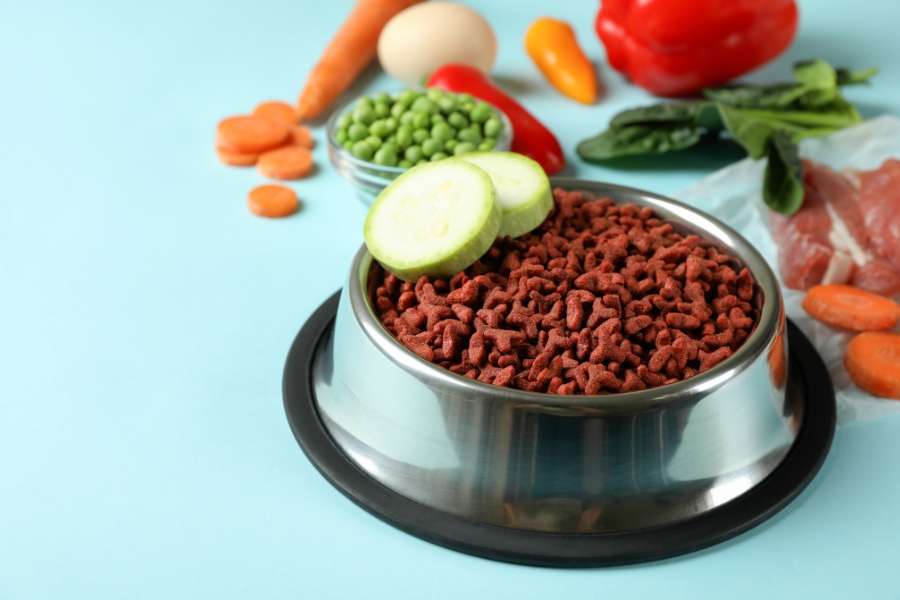
- Dry Kibble: Dry kibble is convenient, cost-effective, and great for dental health. Many senior dog kibbles are formulated with the specific nutritional needs of aging dogs in mind, including lower calorie counts, joint-supporting ingredients, and easier-to-digest proteins. However, some senior dogs may have trouble chewing kibble due to dental issues. If your dog has missing teeth or difficulty chewing, you can soften the kibble with water or choose a wet food option.
- Wet Food: Wet food is an excellent option for senior dogs who have difficulty chewing dry kibble or who need more hydration. Wet food is usually more palatable, which can encourage older dogs with reduced appetite to eat. However, wet food can be more expensive and less convenient for storage, so many pet owners choose to combine wet food with dry kibble.
- Homemade Diet: Preparing homemade food for your senior dog can provide the freshest and most customizable nutrition. If you choose this route, it’s essential to consult with a veterinarian or pet nutritionist to ensure the food is nutritionally balanced. Homemade diets often include lean meats, vegetables, and grains, and can be adapted for your dog’s specific health needs.
- Raw Food: Some owners choose a raw food diet, believing it’s more natural and healthier for their pets. While there are benefits to raw food, such as higher protein content and fewer preservatives, it also comes with risks. Raw diets should be carefully balanced and handled to prevent bacterial contamination. Always consult your vet before transitioning your senior dog to a raw diet.
- Prescription Diets: If your senior dog has specific health issues like kidney disease, heart disease, or obesity, your veterinarian may recommend a prescription diet. These diets are specially formulated to support certain health conditions and are often tailored to meet your dog’s unique needs.
What to Avoid in Senior Dog Food
When selecting food for your senior dog, it’s equally important to avoid ingredients that may negatively impact their health. Some common ingredients to avoid include:
- Excessive fillers: Ingredients like corn, soy, and wheat offer little nutritional value and can contribute to weight gain and digestive issues.
- Artificial preservatives and colors: Look for natural preservatives like tocopherols (vitamin E) and avoid artificial additives that can harm your pet’s health.
- High sugar content: Excessive sugar in dog food can contribute to obesity, diabetes, and dental problems. Senior dogs, in particular, are more prone to these conditions.
How to Transition Your Senior Dog to New Food
If you’re switching your senior dog’s food, it’s important to make the transition slowly to avoid digestive upset. Start by mixing a small amount of the new food with their current food, gradually increasing the amount of new food over a week to ten days. This allows your dog’s digestive system to adjust to the new diet.
In conclusion, the best food for your senior dog depends on their specific health needs, but it should always be tailored to provide the right balance of protein, fiber, fatty acids, and nutrients for joint and cognitive health. Choosing high-quality food with natural ingredients and avoiding fillers will help your senior dog enjoy a long, healthy life.
For those looking for senior dog care in Sarasota, FL, it’s essential to consult with your veterinarian to choose the right food and develop a comprehensive care plan for your aging dog. Regular checkups and proper nutrition are key to ensuring your senior dog’s well-being for years to come.
FAQs
Q1. How do I know if my senior dog needs a different diet?
Ans. Signs like weight gain, sluggishness, or difficulty chewing may indicate that your senior dog needs a diet change. Consult with your veterinarian to determine the best course of action.
Q2. Can I feed my senior dog homemade food?
Ans. Yes, homemade food can be a great option for senior dogs, but it’s important to ensure the meals are nutritionally balanced. Speak with your vet to ensure your dog is getting the right nutrients.
Q3. Should senior dogs avoid certain ingredients?
Ans. Senior dogs should avoid food with high levels of fillers (corn, soy, wheat) and excessive sugar. Opt for high-quality ingredients like animal-based proteins and healthy fats.
Q4. How can I help my senior dog maintain a healthy weight?
Ans. Providing your senior dog with food that is lower in calories and higher in fiber can help maintain a healthy weight. Regular exercise and portion control are also key.
Q5. Can I mix wet and dry food for my senior dog?
Ans. Yes, mixing wet and dry food can provide variety and improve palatability, especially if your dog has difficulty chewing dry kibble. Always adjust portions to maintain a balanced diet.
Q6. How can I tell if my senior dog is having trouble digesting their food?
Ans. Signs of digestive issues include vomiting, diarrhea, bloating, or changes in stool consistency. If your senior dog experiences these symptoms, consult with your vet to determine if their diet needs to be adjusted.