Just like humans, pets need proper dental care to maintain a healthy and happy life. However, many pet owners overlook oral hygiene when planning their pet’s healthcare routine. Poor dental health can lead to serious health issues, including heart, liver, and kidney problems. Fortunately, regular dental care helps prevent disease, promotes longevity, and keeps your furry friend feeling their best.
Let’s explore why dental care matters, how to spot potential issues, and what steps you can take to improve your pet’s oral health.
Why Dental Health Matters for Pets
First and foremost, your pet’s mouth is a gateway to their overall health. Plaque and tartar build-up can harbor harmful bacteria, leading to gum disease and tooth loss. Over time, these bacteria can enter the bloodstream, affecting major organs and compromising your pet’s immune system.
In fact, according to veterinary studies, over 80% of dogs and 70% of cats show signs of oral disease by age three. Left untreated, these issues can impact their quality of life and even shorten their lifespan.
Common Signs of Dental Problems in Pets
Knowing what to look for is essential in preventing serious complications. Watch for these warning signs:
- Bad breath (persistent and foul)
- Red or swollen gums
- Excessive drooling
- Difficulty eating or chewing
- Pawing at the mouth
- Yellow or brown tartar on teeth
- Bleeding from the mouth
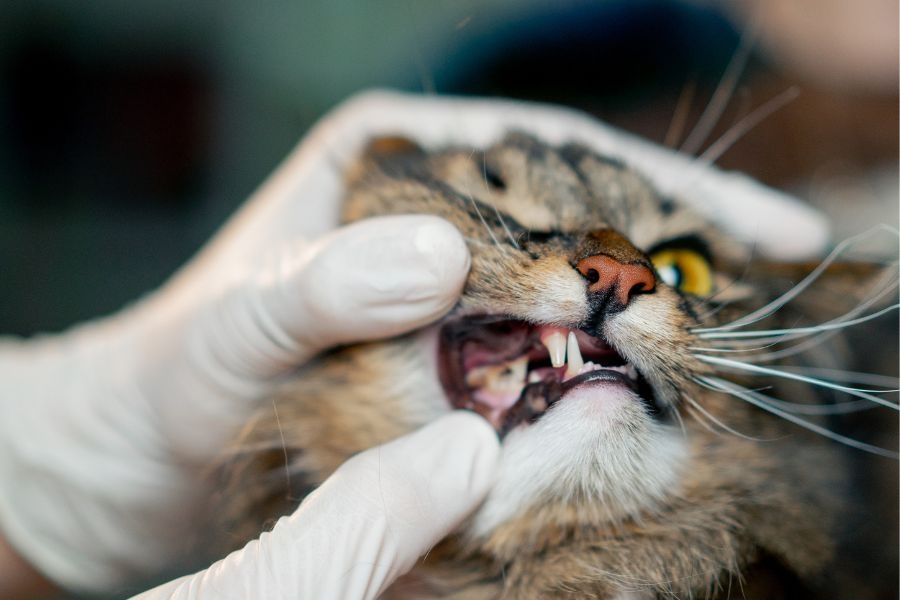
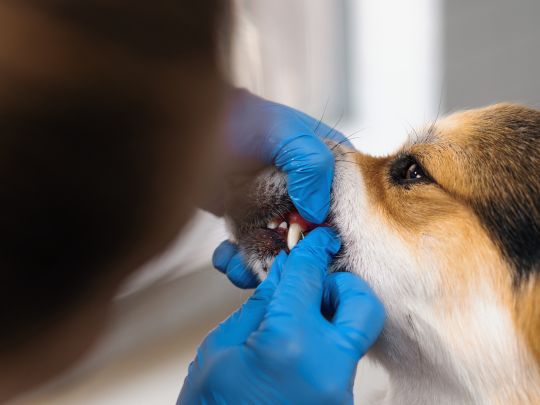
If you notice any of these symptoms, it’s crucial to consult a veterinarian for a dental exam.
The Benefits of Regular Dental Care
Thankfully, pet dental care is highly effective when done consistently. Here are just a few benefits:
1. Prevents Periodontal Disease
With regular cleanings and at-home maintenance, you can help prevent gingivitis and gum disease — two of the most common dental issues in pets.
2. Improves Breath
While occasional “dog breath” is normal, consistent bad breath is a sign of bacterial buildup. Dental cleanings reduce this bacteria and help freshen your pet’s breath.
3. Prevents Tooth Loss
Tartar and plaque erode the structures that support the teeth. With proper dental care, your pet is less likely to experience painful tooth loss.
4. Protects Internal Organs
As mentioned, bacteria from dental disease can enter the bloodstream and damage vital organs like the heart and kidneys. By protecting your pet’s mouth, you’re also protecting their body.
5. Reduces Pain and Discomfort
Toothaches and inflamed gums can be incredibly painful. Routine dental care helps keep your pet comfortable and pain-free.
Tips for Maintaining Your Pet’s Dental Health
Now that you understand the importance, let’s look at practical ways to improve your pet’s oral hygiene.
Brush Their Teeth at Home
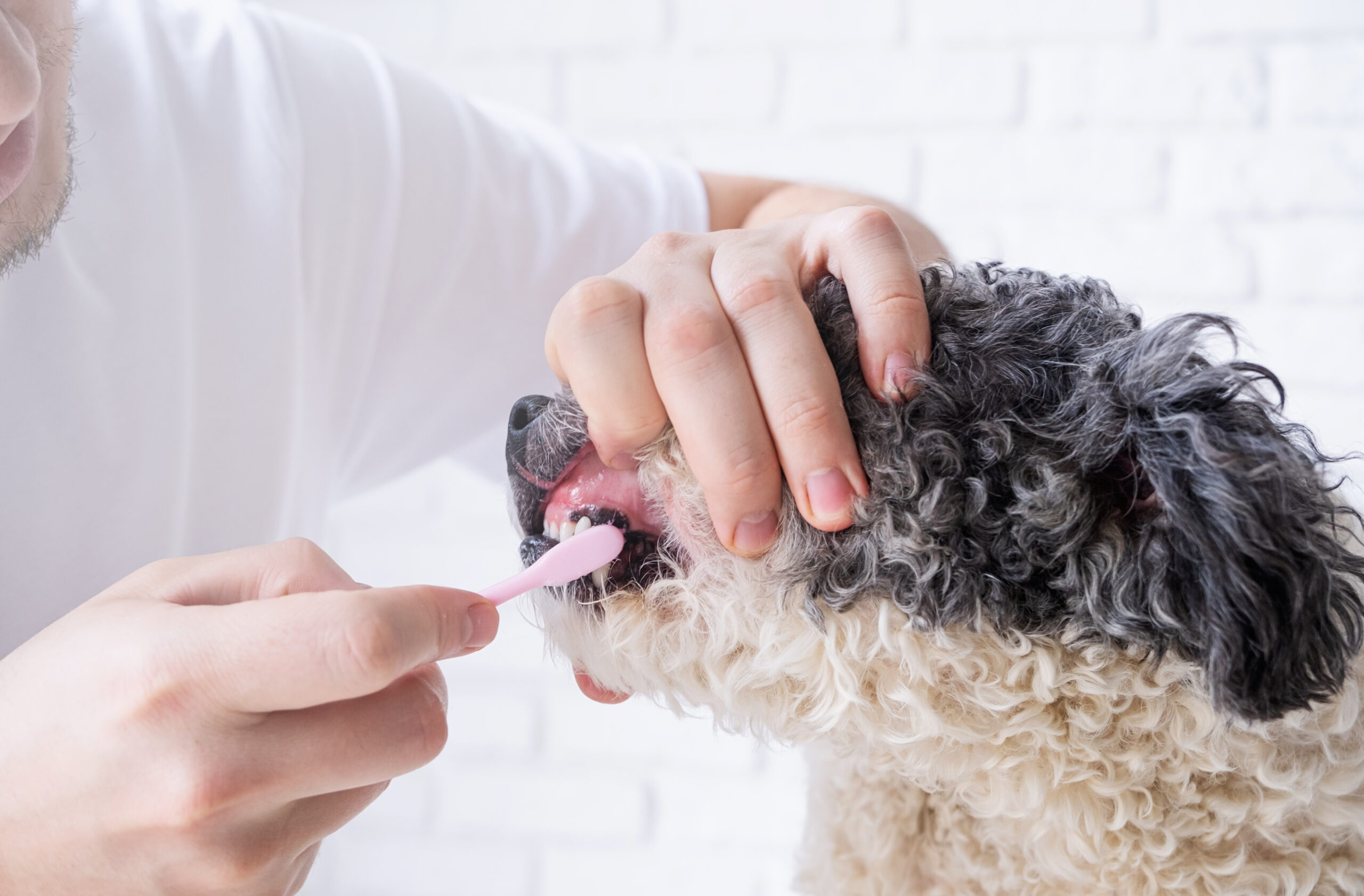
Start slowly and use pet-specific toothpaste. Gradually build up to brushing their teeth a few times a week. Your vet can show you the proper technique.
Offer Dental Treats and Chews
Dental treats are a fun and effective way to reduce plaque and tartar. Make sure they are vet-approved and appropriate for your pet’s size.
Schedule Professional Cleanings
Veterinarians can perform thorough cleanings under anesthesia, allowing them to reach below the gumline where disease often starts.
Use Dental Toys
Chew toys designed for dental health can help scrape away soft plaque before it hardens into tartar.
In conclusion, dental care is more than just a cosmetic concern. It plays a vital role in your pet’s overall well-being. From preventing disease to extending their lifespan, a clean mouth truly means a happy, healthy pet.
If you’re looking for trusted pet dental care in Sarasota, FL, the team at Animal Medical Clinic of Gulf Gate offers expert dental exams, cleanings, and advice to help your pet thrive. Don’t wait until dental problems arise — schedule a dental check-up today and invest in your furry friend’s future.
FAQs
Q1. How often should my pet have a dental cleaning?
Ans. Most pets benefit from professional dental cleanings once a year. However, your vet may recommend more frequent visits based on your pet’s age and health.
Q2. Can I use human toothpaste on my pet?
Ans. No. Human toothpaste can contain ingredients toxic to pets, such as xylitol. Always use pet-specific toothpaste.
Q3. What are the safest dental chews for pets?
Ans. Look for chews approved by the Veterinary Oral Health Council (VOHC). These products are tested for safety and effectiveness.
Q4. Is bad breath normal in pets?
Ans. Occasional bad breath can happen, but a persistent foul odor is often a sign of dental disease and should be checked by a vet.
Q5. Are dental toys really effective?
Ans. Yes, especially when combined with other dental hygiene practices. Dental toys can reduce soft plaque and promote gum health.
Q6. When should I start dental care for my pet?
Ans. It’s best to start as early as possible — ideally when your pet is a puppy or kitten. Early care helps prevent future problems and gets them used to brushing.