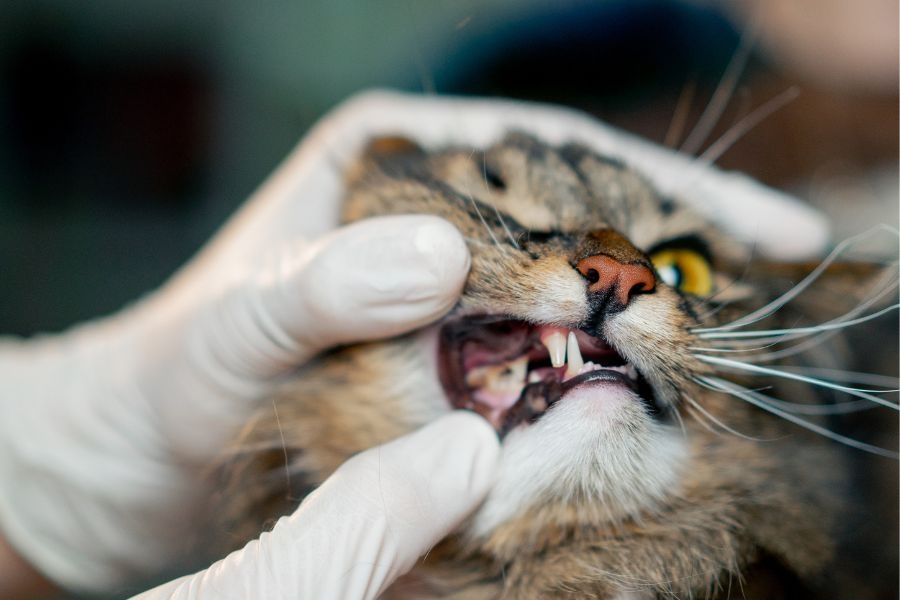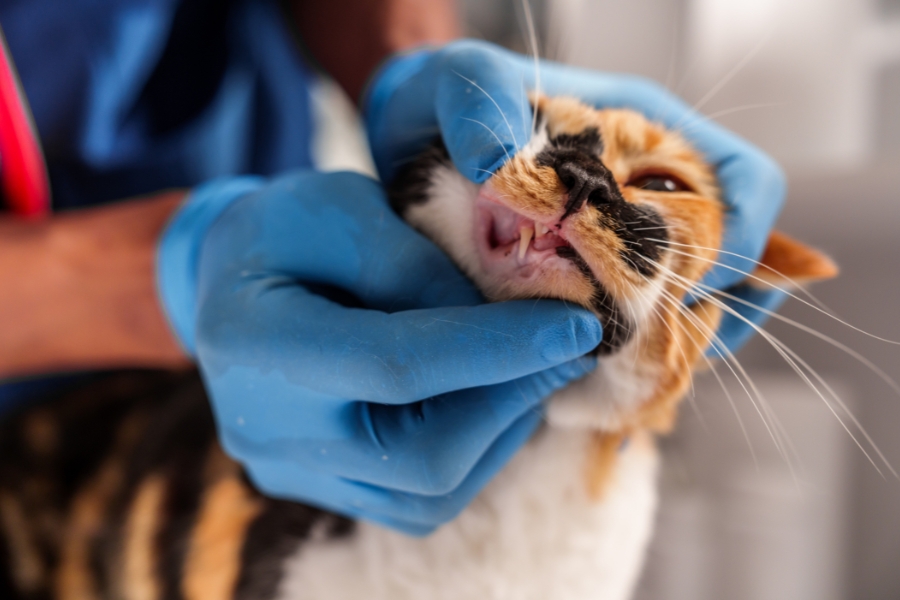
Cats are masters at hiding discomfort. Even when they feel pain, they often continue eating, playing, and resting as usual. However, dental disease is one of the most common — and overlooked — health conditions in felines. Because symptoms can remain subtle for months, many pet owners do not realize there is a problem until it becomes advanced.
Oral health directly affects your cat’s comfort, appetite, and overall wellness. When dental issues go untreated, they can lead to infection, organ damage, and chronic pain. Therefore, understanding the importance of preventive dental care is essential for every responsible pet owner.
This guide will help you recognize the risks of dental disease, understand the benefits of professional cleanings, and take proactive steps to protect your cat’s health — especially for pet parents caring for cats in Sarasota, FL.
Understanding Dental Disease in Cats
Dental disease begins quietly. First, plaque forms on the teeth after eating. Over time, plaque hardens into tartar. As tartar accumulates, it irritates the gums and allows bacteria to thrive. Consequently, inflammation develops, leading to gingivitis and eventually periodontal disease.
If left untreated, bacteria can travel below the gumline and damage the structures that support the teeth. In severe cases, this results in tooth loss. More importantly, bacteria can enter the bloodstream and affect major organs such as the heart, liver, and kidneys.
For this reason, dental disease is not simply a cosmetic issue. It is a serious medical condition that requires professional attention.
Common Signs of Dental Problems
Because cats instinctively hide pain, dental issues often progress unnoticed. However, there are warning signs you should watch for.
For example, persistent bad breath is one of the earliest indicators. Additionally, you may notice red or swollen gums, yellow or brown tartar buildup, drooling, or difficulty chewing. Some cats drop food from their mouths or chew only on one side.
Behavioral changes can also occur. A normally affectionate cat may become withdrawn or irritable. In advanced cases, you might observe weight loss due to discomfort while eating.
Since these signs can be subtle, routine veterinary exams are critical for early detection.
Why Dental Health Impacts the Entire Body
Healthy teeth allow your cat to eat comfortably and maintain proper nutrition. However, when oral pain develops, cats may eat less or avoid food entirely. As a result, they may lose weight and become weaker over time.
Furthermore, chronic oral infections release bacteria into the bloodstream. These bacteria can damage internal organs, leading to serious health complications. Consequently, untreated dental disease may shorten your cat’s lifespan.
This is why preventive cat dental care plays a vital role in overall wellness. Addressing oral health early helps protect your cat’s entire body — not just their mouth.
What Happens During a Professional Dental Cleaning?
Many pet owners feel uncertain about professional dental procedures. Understanding the process can ease concerns.
At Animal Medical Clinic of Gulf Gate, dental cleanings involve:
1. Comprehensive Oral Examination
Your veterinarian thoroughly examines the teeth, gums, tongue, and oral tissues. Dental X-rays may be taken to detect hidden problems beneath the surface.
2. Ultrasonic Scaling
Specialized equipment removes plaque and tartar above and below the gumline. This step is crucial because bacteria often hide in areas you cannot see.
3. Polishing
After scaling, the teeth are polished to smooth the enamel surface. This helps prevent plaque from reattaching quickly.
4. Treatment of Damaged Teeth
If necessary, infected or severely damaged teeth may be extracted to eliminate pain and prevent further complications.
Although anesthesia is required, modern veterinary monitoring systems ensure safety throughout the procedure.
Routine professional cleanings are an essential component of cat dental care and long-term disease prevention.
The Role of At-Home Dental Maintenance
While professional cleanings are necessary, daily care at home strengthens prevention efforts.
First, brushing your cat’s teeth remains the most effective method for reducing plaque buildup. Use feline-safe toothpaste and introduce brushing gradually. Positive reinforcement encourages cooperation.
Additionally, dental treats and specially formulated diets can help reduce tartar accumulation. However, these options should complement brushing and veterinary cleanings — not replace them.
Establishing a consistent dental routine improves outcomes and reduces the likelihood of severe periodontal disease.
How Often Should Cats Receive Dental Exams?
Most cats benefit from annual dental evaluations. However, some cats require more frequent monitoring, especially seniors or breeds prone to dental problems.
Your veterinarian will create a customized care plan based on your cat’s age, lifestyle, and medical history. Early intervention always leads to better outcomes and fewer complications.
Preventive Care Saves Pain and Expense
Preventive dentistry does more than protect your cat’s smile. It reduces pain, improves appetite, and prevents costly emergency procedures later.
When dental disease advances, extractions and complex treatments become necessary. By scheduling routine cleanings, you minimize discomfort and avoid extensive medical interventions.
Pet owners in Sarasota understand the importance of proactive veterinary care. Partnering with an experienced veterinary team ensures your cat receives comprehensive oral health support throughout every life stage.
Why Choose Animal Medical Clinic of Gulf Gate?
Choosing a trusted veterinary provider makes all the difference. Animal Medical Clinic of Gulf Gate focuses on preventive wellness and advanced dental diagnostics. The team prioritizes patient comfort while delivering thorough, compassionate care.
From routine cleanings to advanced dental procedures, their goal is to help your cat live a longer, healthier life.
Long-Term Benefits of Dental Cleaning
When you commit to regular dental care, you provide your cat with:
- Reduced risk of organ damage
- Improved appetite and digestion
- Fresher breath
- Less chronic pain
- Longer life expectancy
By combining at-home maintenance with professional treatment, you create a comprehensive approach that supports lifelong wellness.
Your cat’s dental health directly impacts their comfort, nutrition, and longevity. By taking preventive steps and scheduling regular cleanings, you protect them from unnecessary pain and serious health complications.
If you are in Sarasota and looking for a cat dental care, book an appointment with Animal Medical Clinic of Gulf Gate. Our veterinary team is dedicated to providing thorough, compassionate dental services to keep your feline companion healthy and thriving for years to come.
FAQs
Q1. Why is dental cleaning important for cats?
Ans. Dental cleaning helps prevent plaque and tartar buildup, which can lead to gum disease, tooth loss, and painful infections. In addition, untreated dental problems may allow bacteria to spread to vital organs.
Q2. What are the early signs of dental disease in cats?
Ans. Common early signs include bad breath, red or swollen gums, drooling, difficulty chewing, and a decreased appetite. Some cats may also hide more often or show subtle behavior changes.
Q3. How often should my cat have a professional dental cleaning?
Ans. Most cats should receive a dental examination at least once a year. However, your veterinarian may recommend more frequent cleanings depending on your cat’s age and overall health.
Q4. Is anesthesia necessary for dental procedures?
Ans. Yes, anesthesia allows the veterinarian to safely clean below the gumline, take dental X-rays, and treat hidden problems without causing pain or stress to your cat.
Q5. Can I maintain my cat’s oral health at home?
Ans. You can support oral health by brushing your cat’s teeth with veterinarian-approved toothpaste and offering dental diets or treats. Still, home care should complement professional cleanings.
Q6. Can dental disease affect my cat’s overall health?
Ans. Yes, untreated dental disease can allow bacteria to enter the bloodstream and potentially impact organs such as the heart, liver, and kidneys, affecting overall health and longevity.