Maintaining your cat’s dental health is essential for their overall well-being. At Animal Medical Clinic of Gulf Gate, we understand that dental care is vital for your pet’s comfort and long-term health. While dental procedures may cause some anxiety for both cats and their owners, preparing your cat properly can make a significant difference. Whether it’s a routine cleaning or more advanced dental treatment, taking the right steps ensures your cat feels more at ease and recovers smoothly. In this guide, we’ll share effective tips on how to keep your cat’s teeth clean and healthy, especially for pet owners in Sarasota, FL.
Why Cat Dental Care Matters
Just like humans, cats are prone to dental problems such as plaque buildup, tartar, and gum disease. These issues not only affect their teeth but can also lead to more serious health problems, such as heart and kidney disease. The good news is that regular dental care can significantly reduce the risks associated with dental diseases and promote your cat’s overall health.
Signs Your Cat Might Have Dental Problems
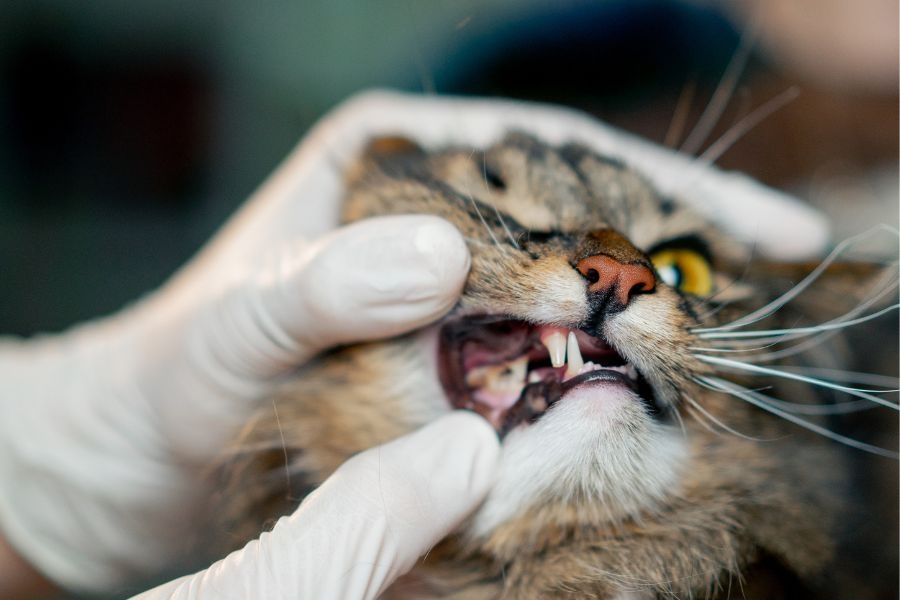
Before diving into how to keep your cat’s teeth clean, it’s important to recognize the signs of dental issues. Keep an eye out for:
- Bad breath (halitosis)
- Difficulty eating or chewing
- Drooling or pawing at the mouth
- Swollen or red gums
- Missing or broken teeth
If you notice any of these symptoms, it’s best to consult your vet for an evaluation. Early detection can help prevent more severe dental problems down the line.
How to Keep Your Cat’s Teeth Clean & Healthy
Regular Brushing
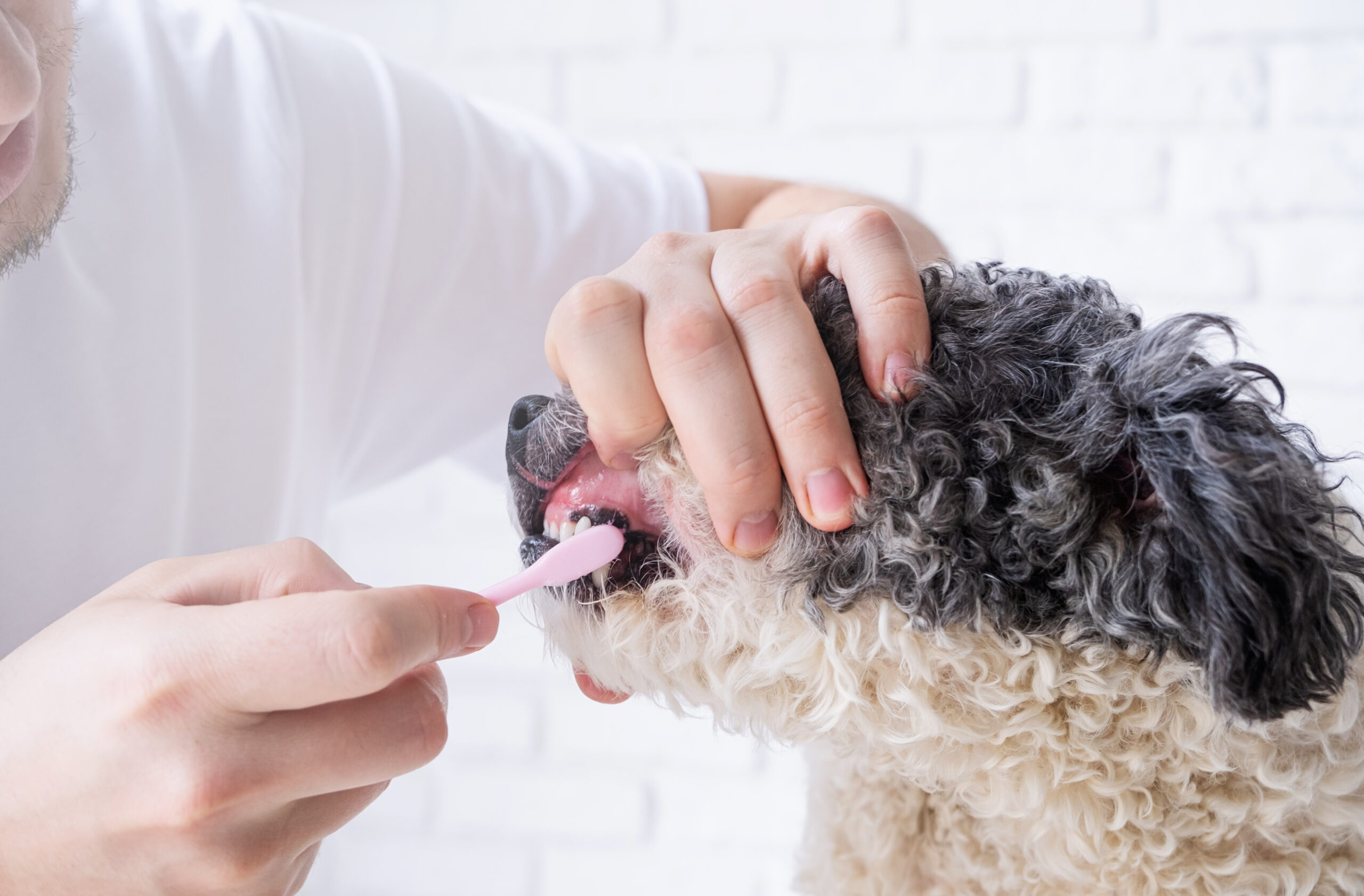
The most effective way to keep your cat’s teeth clean is by brushing them regularly. While brushing a cat’s teeth might seem like a challenge, with some patience and the right tools, it becomes a manageable task.
- Choose the Right Toothbrush & Toothpaste: Never use human toothpaste, as it contains ingredients that are toxic to cats. Instead, opt for a toothpaste specially formulated for cats, which comes in flavors like poultry or fish. Choose a soft-bristled toothbrush or a finger brush to make the process gentler for your cat.
- Start Slowly: If your cat isn’t used to having their teeth brushed, start by getting them accustomed to the taste of the toothpaste. Gradually introduce the toothbrush and only use a few short strokes at a time. Make the experience as positive as possible, rewarding them with treats or affection.
Dental Treats and Chew Toys
Dental treats and chew toys are another excellent way to help clean your cat’s teeth. Many of these products are designed to reduce plaque buildup and freshen breath. Look for treats that are specifically marketed for dental health, as they often contain ingredients that help break down plaque.
In addition to treats, offering your cat safe chew toys can help keep their teeth strong. Chewing helps scrape away tartar and massage the gums, promoting good oral hygiene. Just be sure to select toys that are appropriate for your cat’s size and chewing habits.
Professional Dental Cleanings
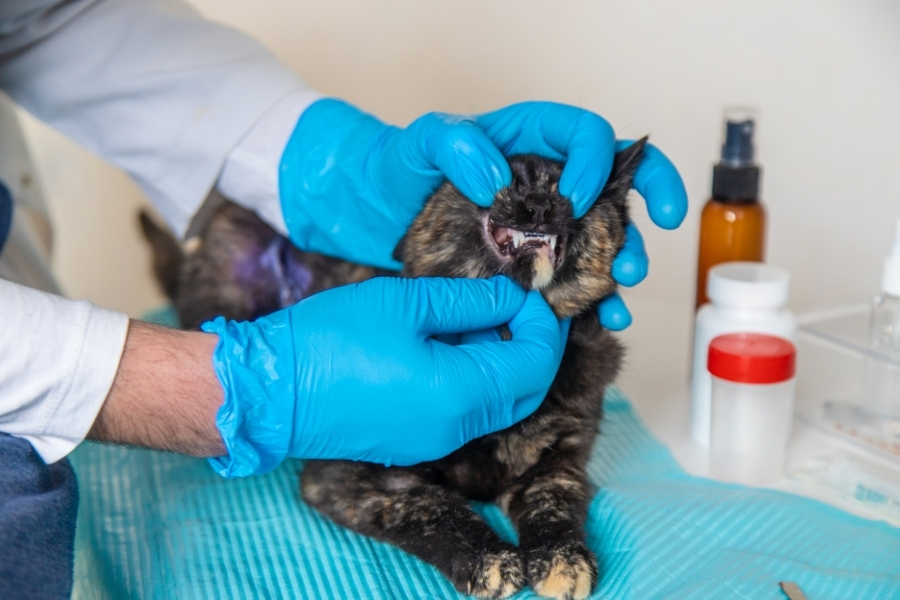
Even with regular brushing and dental treats, your cat may still require professional dental cleanings. Veterinary dental cleanings are typically done under anesthesia, allowing the vet to thoroughly clean your cat’s teeth and check for any underlying problems. Your veterinarian will also be able to check for signs of gum disease, tooth decay, and other dental conditions that may not be visible during regular brushing.
The frequency of dental cleanings will vary based on your cat’s dental health, but most cats should undergo professional cleanings at least once a year. Your veterinarian at Animal Medical Clinic of Gulf Gate can guide you on the best schedule for your cat’s dental health.
Diet and Water
Your cat’s diet can also have a significant impact on their dental health. Some commercial cat foods are designed to promote oral health by reducing plaque and tartar buildup. These diets often include kibble with a larger size or specific texture that helps clean the teeth as your cat chews.
In addition to a healthy diet, make sure your cat has access to fresh water at all times. Some cats enjoy drinking from a cat water fountain, which may encourage them to drink more water and keep their gums hydrated, further promoting oral health.
Regular Vet Check-ups
Regular veterinary visits are essential in maintaining your cat’s overall health, including their dental health. During each visit, your veterinarian will conduct a dental exam to look for any signs of dental issues. Early detection and intervention can prevent more serious problems from developing. If you’re in Sarasota, FL, and looking for a trusted veterinarian, schedule an appointment with Animal Medical Clinic of Gulf Gate to discuss your cat’s dental care needs.
Keeping your cat’s teeth clean and healthy is crucial for their overall health and well-being. By brushing your cat’s teeth, offering dental treats and chew toys, scheduling professional cleanings, and maintaining a healthy diet, you can help prevent dental diseases and ensure a long, happy life for your furry companion. If you’re in Sarasota, FL, and need professional guidance on cat dental care, don’t hesitate to contact Animal Medical Clinic of Gulf Gate for expert advice and care. Schedule an appointment today and give your cat the gift of healthy teeth and gums!
FAQs
Q1. How can I make brushing my cat’s teeth easier?
Ans. Start slowly, use pet-friendly toothpaste, and be patient. Gradually introduce the toothbrush and reward your cat with treats to make the process more comfortable for both of you.
Q2. How often should I brush my cat’s teeth?
Ans. It’s recommended to brush your cat’s teeth at least 3-4 times a week, but daily brushing is ideal for optimal dental health.
Q3. Can I use human toothpaste for my cat’s teeth?
Ans. No, human toothpaste contains ingredients that are harmful to cats. Use toothpaste specifically designed for pets.
Q4. What are the signs of dental problems in cats?
Ans. Signs of dental issues in cats include bad breath, difficulty eating, drooling, pawing at the mouth, and red or swollen gums.
Q5. Are dental cleanings necessary for cats?
Ans. Yes, professional dental cleanings are necessary to remove plaque and tartar buildup that brushing and treatments can’t reach.
Q6. Can a cat’s diet help with dental health?
Ans. Yes, certain cat foods are designed to help clean teeth and reduce plaque buildup. Look for dental-specific diets or consult your vet for recommendations.