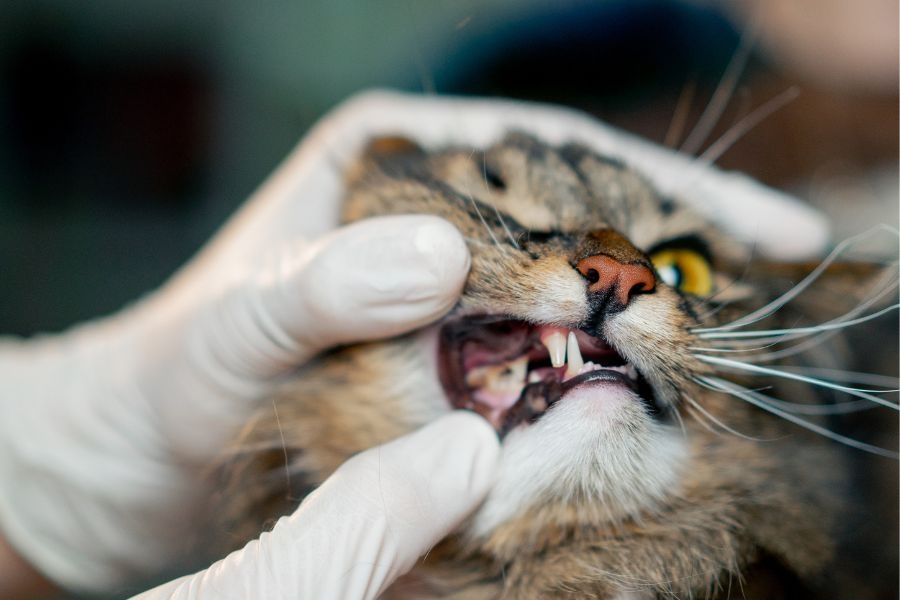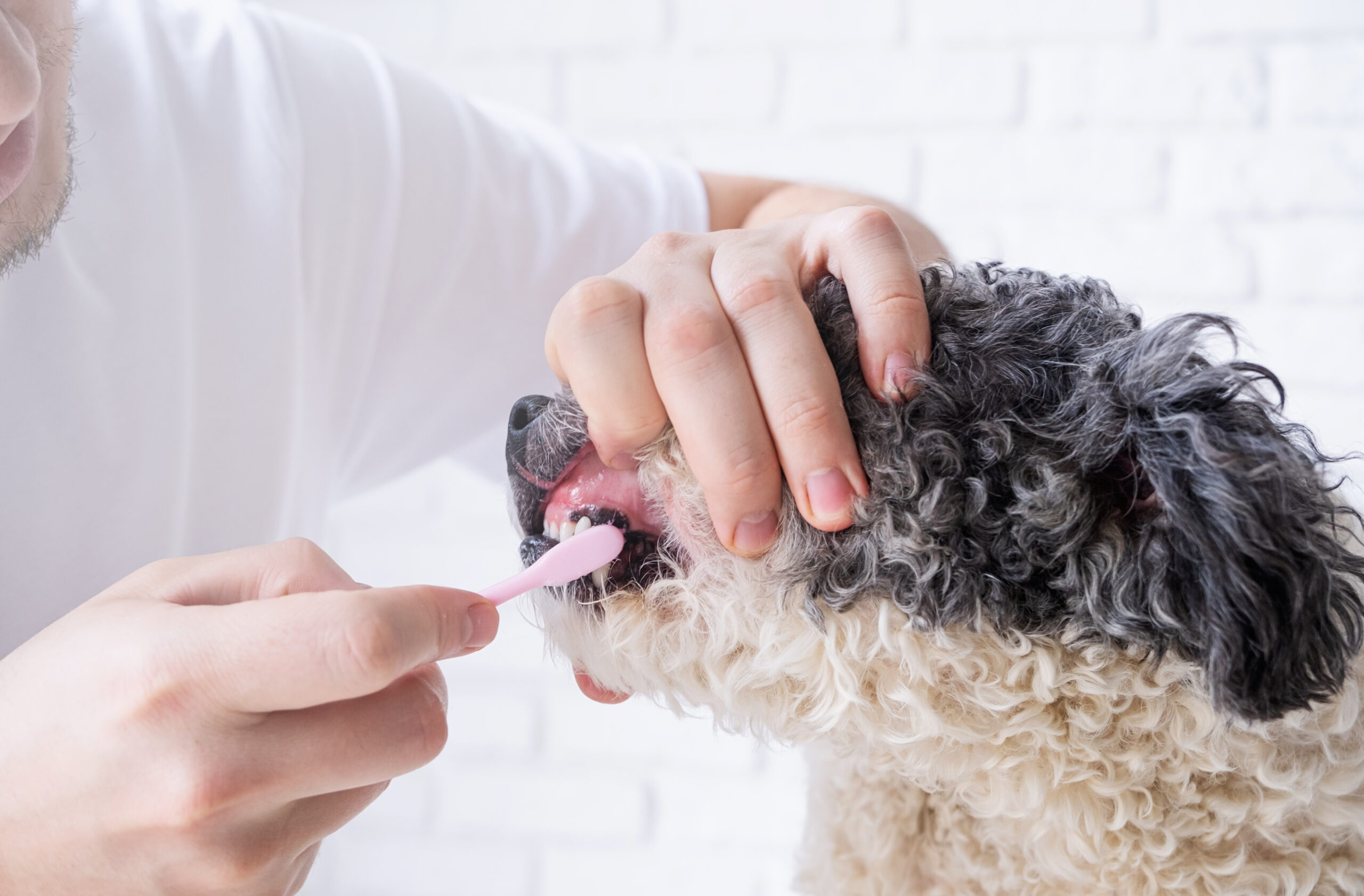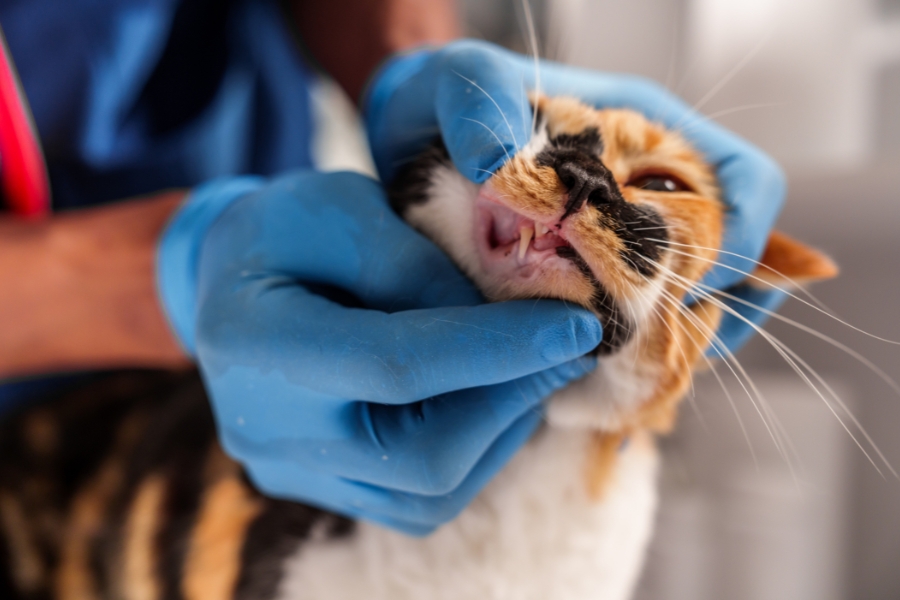
Many pet owners hesitate when they hear their dog or cat needs teeth cleaning under anesthesia. That hesitation is understandable, but anesthesia is what makes a thorough, pain-free cleaning possible. Without it, vets cannot safely examine below the gumline, where most dental disease hides. This article explains why anesthesia is necessary and what safety measures protect your pet throughout the process. Understanding the reasoning behind this standard helps owners feel confident instead of anxious. Modern veterinary anesthesia protocols are far safer than many people assume, especially with proper pre-procedure screening. By the end of this article, you will understand exactly what happens during a dental procedure and why skipping anesthesia is never a safe shortcut.
What Dental Cleaning Involves and Why Anesthesia Matters
A proper dental cleaning goes far beyond a visible polish. It includes scaling below the gumline, checking each tooth for mobility, and taking dental X-rays to spot hidden disease. Dental disease affects an estimated 80% of dogs over age three, and most of that damage sits under the gumline, where a pet would never tolerate instruments while awake.
Anesthesia keeps your pet completely still and pain-free, which allows the veterinary team to work precisely without risk of injury from a sudden head movement. It also lets the team assess every tooth individually instead of rushing through a surface-level cleaning.
Signs Your Pet Needs a Dental Cleaning
- Bad breath that does not improve with brushing
- Yellow or brown buildup along the gumline
- Red, swollen, or bleeding gums
- Reluctance to chew or drop food while eating
- Pawing at the mouth or face
In our experience, most pet owners are surprised to learn that persistent bad breath is not normal. It is usually the first sign of dental disease building up beneath the surface. If you notice any of these signs, it is worth scheduling an exam soon rather than waiting for symptoms to worsen.
What to Expect at Animal Medical Clinic of Gulf Gate
Pet owners often tell us they feel more at ease once they understand the actual steps involved. Here is what the process typically looks like:
- A pre-anesthetic exam and bloodwork to check organ function and confirm your pet is a safe candidate
- Placement of an IV catheter for fluids and rapid access if medication is needed
- Continuous monitoring of heart rate, oxygen levels, blood pressure, and breathing throughout the procedure
- Full mouth X-rays and a tooth-by-tooth evaluation
- Scaling, polishing, and any necessary extractions performed by a trained veterinary team
- A monitored recovery period until your pet is fully awake and stable
This same structured approach applies to pets across Sarasota, where warm, humid conditions can sometimes accelerate bacterial buildup in the mouth if dental care is delayed.
Anesthesia Safety for Pets: What Actually Protects Your Pet
Anesthesia safety for pets depends on preparation, monitoring, and experienced staff, not luck. Pre-anesthetic bloodwork identifies pets who may need an adjusted protocol before anything begins. Age alone does not disqualify a pet from anesthesia; a senior pet with healthy bloodwork can often be a very safe candidate.
A common misconception is that anesthesia itself is the biggest risk. In reality, the greater danger comes from untreated dental disease, which can allow bacteria to enter the bloodstream and affect the heart, kidneys, and liver over time. Modern monitoring equipment tracks vital signs continuously, allowing the team to respond immediately if anything shifts outside a normal range.
Dog Dental Cleaning Risks and How They Are Minimized
Every dog dental cleaning risk deserves an honest answer. Any anesthesia carries some level of risk, but that risk is significantly reduced through screening, individualized dosing, and dedicated pet anesthesia monitoring during the entire procedure. Pets are never left unattended once sedated.
Recovery is closely supervised as well. A trained technician stays with your pet until they are alert, comfortable, and ready to go home. This layered approach is why serious complications during routine dental procedures are uncommon when proper protocols are followed.
Is Anesthesia Safe for Dog Owners to Trust With Routine Procedures?
Is anesthesia safe for dogs undergoing a dental cleaning is one of the most frequent questions we hear from concerned owners. Yes, when a pet is properly screened beforehand and monitored throughout the procedure, anesthesia is a safe and standard part of veterinary dentistry. The combination of bloodwork, tailored dosing, and continuous vital sign tracking is designed specifically to catch and address problems before they escalate.
Understanding dog teeth cleaning anesthesia helps pet owners make informed decisions rather than avoiding necessary care out of fear. Untreated dental disease causes far more long-term harm than a properly monitored anesthesia procedure. Skipping cleanings due to anesthesia concerns often leads to more invasive treatment later, including extractions that could have been prevented. Choosing a clinic with dedicated pet anesthesia monitoring protocols, like the team at Animal Medical Clinic of Gulf Gate, gives owners peace of mind that safety comes first at every step. Book an appointment today.
Frequently Asked Questions
Q: Why can’t a dog’s teeth be cleaned without anesthesia?
Ans: Anesthesia allows the veterinary team to clean below the gumline, take X-rays, and evaluate each tooth safely. Awake cleanings only address visible tartar and miss the disease hiding beneath the surface.
Q: What tests are done before a pet is given anesthesia?
Ans: Pre-anesthetic bloodwork checks kidney, liver, and organ function to confirm your pet can safely tolerate the procedure. This screening allows the team to adjust the anesthesia plan if needed.
Q: Is anesthesia risky for older pets?
Ans: Age alone does not rule out anesthesia. Senior pets with healthy bloodwork and a tailored protocol can often undergo dental procedures safely.
Q: How long does a pet stay under anesthesia during a dental cleaning?
Ans: Duration depends on the extent of the cleaning and whether extractions are needed, but the team monitors vital signs continuously for the entire time.
Q: What are the signs my pet needs a dental cleaning?
Ans: Bad breath, visible tartar, red or swollen gums, and reluctance to chew are common signs that a dental evaluation is needed soon.