As a pet parent, ensuring your dog’s overall well-being involves more than just feeding them nutritious food and providing regular exercise. One often-overlooked aspect of pet care is dental health. Just like humans, dogs need their teeth cleaned regularly to maintain optimal health. Poor oral hygiene in dogs can lead to a range of health issues, including gum disease, tooth loss, and even more severe systemic conditions. In this post, we’ll explore why dog teeth cleaning is crucial for your pet’s health and how you can maintain your dog’s dental hygiene to ensure they stay happy and healthy.
The Importance of Dog Teeth Cleaning
1. Prevents Dental Disease
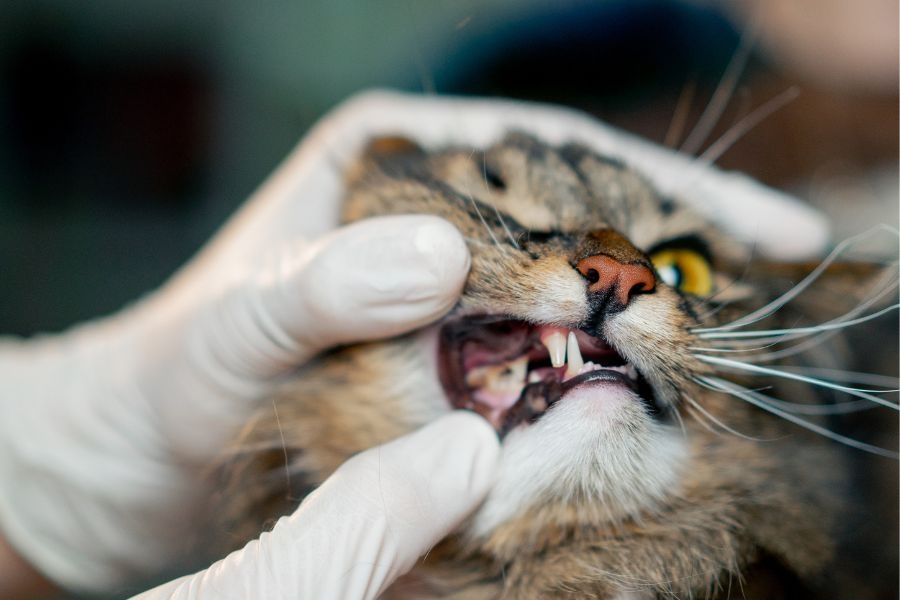
The most obvious reason for regular dog teeth cleaning is to prevent dental disease. Plaque and tartar build-up on your dog’s teeth can lead to periodontal disease, which is one of the most common health issues in pets. If left untreated, periodontal disease can lead to painful infections, gum recession, and even tooth loss.
Regular brushing and professional cleanings help remove plaque and tartar before they have a chance to cause serious problems. In fact, dental disease is the number one cause of tooth loss in dogs. By keeping your dog’s teeth clean, you can prevent the progression of periodontal disease and help your dog keep their teeth for a lifetime.
2. Improves Overall Health
You may not realize it, but poor oral health in your dog can affect more than just their teeth and gums. The bacteria caused by plaque and gum disease can enter your dog’s bloodstream, leading to infections in major organs such as the heart, liver, and kidneys. In fact, studies have shown that dental disease in dogs can increase the risk of heart disease, kidney failure, and liver problems.
By keeping your dog’s teeth clean, you are not only improving their oral health but also supporting their overall health. Regular dental care can reduce the risk of these serious health issues, giving your pet a longer, healthier life.
3. Reduces Bad Breath
Dog breath can sometimes be less than pleasant, and while some odor is normal, bad breath (also known as halitosis) can be a sign of dental problems. In fact, persistent bad breath is one of the first signs of gum disease or other oral health issues in dogs.
Regular teeth cleaning helps eliminate the bacteria that cause bad breath, leaving your dog with a fresher, cleaner mouth. If your dog’s breath is still unpleasant despite regular cleanings, it may be a sign that a more serious dental problem is developing, and you should consult your veterinarian.
4. Saves Money in the Long Run
Many dog owners don’t realize that dental disease can lead to costly veterinary bills. If dental disease progresses too far, your dog may require dental extractions, surgeries, or even hospital stays. These treatments can be expensive and stressful for both you and your pet.
By investing in regular teeth cleanings and maintaining good oral hygiene, you can prevent these costly procedures. Routine dental care is a small investment that can save you a significant amount of money in the long term by preventing more severe dental issues from developing.
5. Enhances Your Dog’s Comfort and Quality of Life
Just like humans, dogs can experience pain and discomfort from oral issues. If your dog has sore gums, loose teeth, or infections, they may have difficulty eating, drinking, or even playing. Painful dental problems can affect your dog’s mood and overall behavior, leading to a decrease in their quality of life.
Regular cleaning and care help ensure that your dog’s teeth and gums stay healthy, allowing them to eat comfortably, play with their favorite toys, and enjoy their daily activities without discomfort.
How to Maintain Your Dog’s Dental Hygiene
Now that you understand the importance of dog teeth cleaning, here are a few tips for maintaining your dog’s dental hygiene at home:
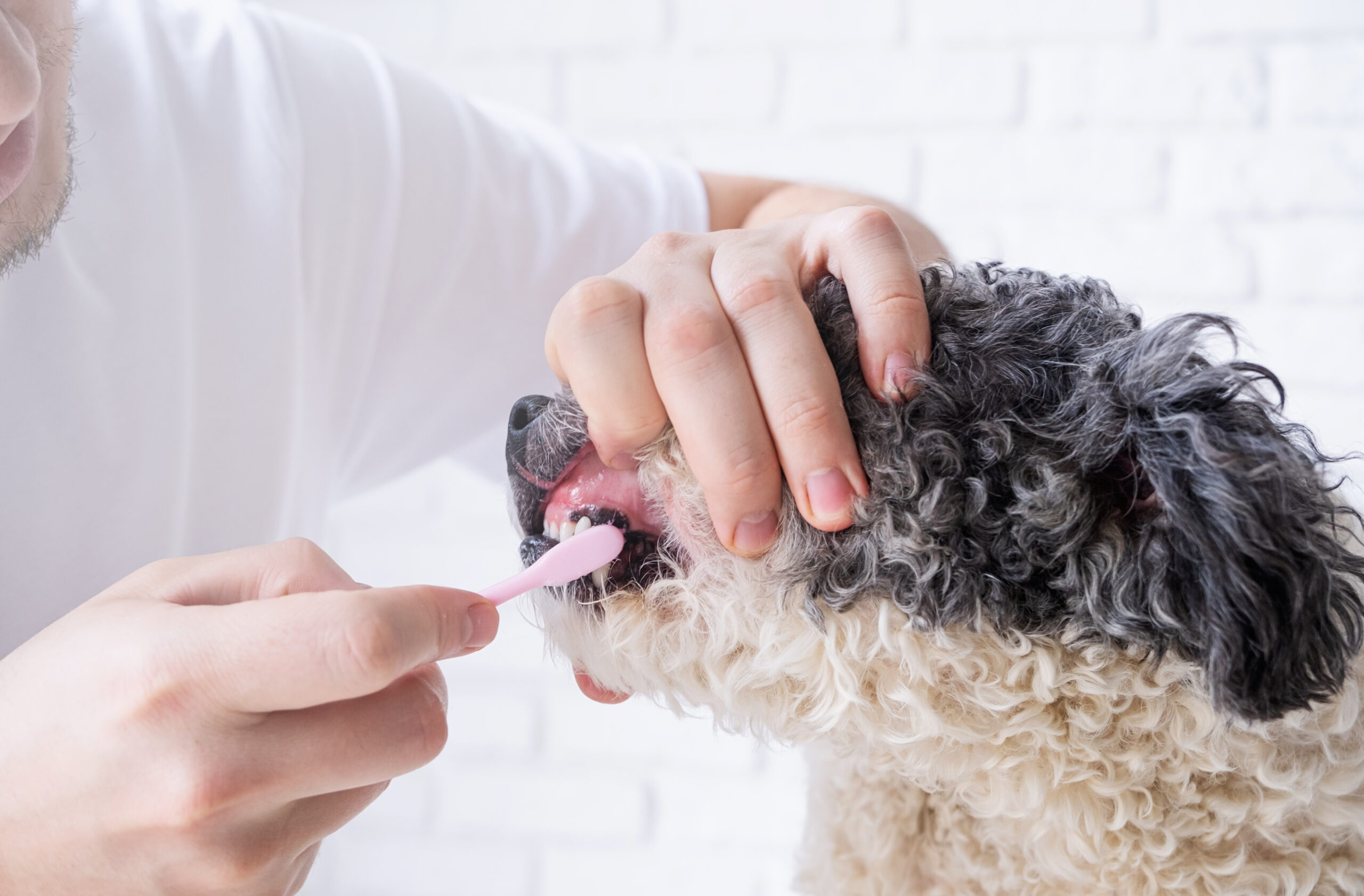
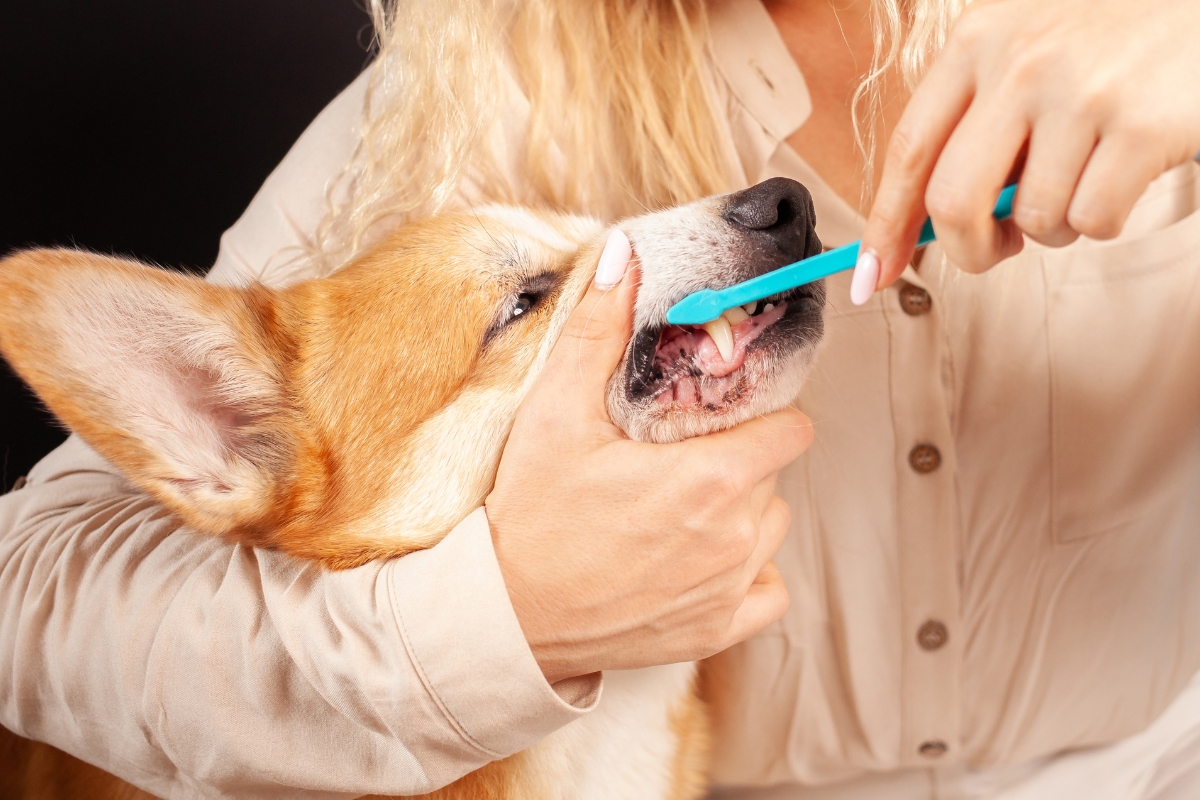
- Brush Your Dog’s Teeth Regularly: One of the most effective ways to maintain your dog’s dental health is by brushing their teeth regularly. Use a dog-specific toothbrush and toothpaste to gently clean your dog’s teeth and gums. Ideally, you should brush your dog’s teeth at least two to three times per week, but daily brushing is even better.
- Provide Dental Chews and Toys: Dental chews and toys can help reduce plaque build-up and keep your dog’s teeth clean. These chews are designed to scrape away plaque as your dog chews, promoting better oral health. Just make sure the chews are appropriate for your dog’s size and age.
- Schedule Regular Veterinary Checkups: Regular visits to the vet are essential for maintaining your dog’s dental health. During these checkups, your veterinarian will examine your dog’s teeth and gums, perform professional cleanings, and identify any dental problems early on. Professional cleanings are recommended at least once a year, or more frequently if your dog is prone to dental issues.
- Feed a Balanced Diet: A healthy diet can contribute to better oral health. Dry kibble, for example, helps scrape plaque off the teeth as your dog chews. Some commercial dog foods are specially formulated with ingredients that promote dental health. Consult your veterinarian for recommendations on the best food for your dog’s oral health.
Signs Your Dog May Need a Professional Teeth Cleaning
While at-home care is important, professional teeth cleaning is often necessary to thoroughly clean your dog’s teeth and remove plaque and tartar that brushing alone can’t handle. Signs that your dog may need a professional cleaning include:
- Yellow or brown tartar builds up on the teeth
- Red, swollen, or bleeding gums
- Difficulty eating or chewing
- Bad breath that doesn’t improve with at-home care
- Loose or missing teeth
If you notice any of these signs, schedule a veterinary appointment to have your dog’s teeth professionally cleaned. A thorough cleaning can help prevent more serious dental issues and improve your dog’s comfort and quality of life.
In conclusion, dog teeth cleaning is vital for maintaining your pet’s overall health and preventing a range of issues, from dental disease to systemic infections. By keeping your dog’s teeth clean and scheduling regular checkups, you can ensure that your dog remains healthy, happy, and comfortable throughout their life. If you’re looking for dog dental care in Sarasota, FL, consult your veterinarian to develop a dental care plan tailored to your dog’s needs.
FAQs
Q1. How often should I clean my dog’s teeth?
Ans. You should brush your dog’s teeth at least two to three times a week. Daily brushing is ideal for preventing plaque and tartar build-up.
Q2. Can I use human toothpaste to clean my dog’s teeth?
Ans. No, human toothpaste contains ingredients that are toxic to dogs. Always use dog-specific toothpaste when brushing their teeth.
Q3. Is professional dental cleaning necessary for my dog?
Ans. Yes, professional cleanings are essential for removing plaque and tartar that home care may miss. Your vet can recommend the right schedule based on your dog’s needs.
Q4. What are the signs that my dog needs a dental cleaning?
Ans. Signs include bad breath, yellow or brown tartar build-up, bleeding gums, or difficulty eating. If you notice these symptoms, consult your veterinarian.
Q5. Are dental chews effective for cleaning my dog’s teeth?
Ans. Yes, dental chews can help remove plaque and promote better oral health. However, they should be used in conjunction with regular brushing and professional cleanings.
Q6. How can I prevent bad breath in my dog?
Ans. Regular brushing, dental chews, and professional cleanings can help reduce bad breath. If your dog’s breath remains foul despite these efforts, it may indicate an underlying health issue.