Many dog owners assume that bad breath is normal for pets. However, persistent foul breath—also known as halitosis—is often a sign of underlying dental problems. Without proper care, these issues can progress and affect your dog’s overall health.
At the Animal Medical Clinic of Gulf Gate in Sarasota, FL, we frequently see dogs experiencing bad breath due to preventable dental issues. With the right combination of at-home care and professional veterinary support, you can help keep your dog’s mouth healthy and their breath fresh.
Why Dental Care Matters for Dogs
Good oral hygiene is just as important for dogs as it is for humans. When plaque and bacteria accumulate on a dog’s teeth, they harden into tartar and irritate the gums. Over time, this can lead to infections, tooth loss, and other health complications.
Regular dental care helps:
- Prevent plaque and tartar buildup
- Protect gums from infection
- Reduce the risk of tooth decay
- Support overall health and well-being
Routine dental checkups and cleanings at Animal Medical Clinic of Gulf Gate can help detect dental issues early before they become more serious.
Common Causes of Bad Breath in Dogs
Several dental and medical conditions can cause bad breath in dogs.
Periodontal Disease
Periodontal disease is the most common dental condition in dogs. It occurs when bacteria build up along the gum line, causing plaque and tartar accumulation. This leads to inflammation, infection, and a strong odor from the mouth. If left untreated, periodontal disease can damage the tissues that support the teeth.
Tooth Decay
Although less common than in humans, dogs can still develop cavities or tooth decay. When bacteria and food particles remain on the teeth, they can gradually erode enamel and create unpleasant breath.
Gingivitis
Gingivitis is the early stage of gum disease and is characterized by red, swollen, or bleeding gums. It typically develops from untreated plaque buildup and can worsen if proper dental care is not maintained.
Oral Growths or Tumors
Abnormal growths in the mouth can sometimes produce persistent bad breath. These growths may affect the gums, tongue, or surrounding tissues and should always be evaluated by a veterinarian.
Foreign Objects
Dogs often chew on toys, sticks, or other objects. Occasionally, small fragments can become lodged between teeth or gums, leading to irritation, infection, and foul-smelling breath.
Underlying Medical Conditions
In some cases, bad breath may signal health conditions such as kidney disease or metabolic disorders. A distinct or unusual odor from the mouth should always be evaluated by a veterinarian.
How to Prevent and Manage Bad Breath in Dogs
Maintaining your dog’s oral health involves both daily home care and regular veterinary visits.
Brush Your Dog’s Teeth
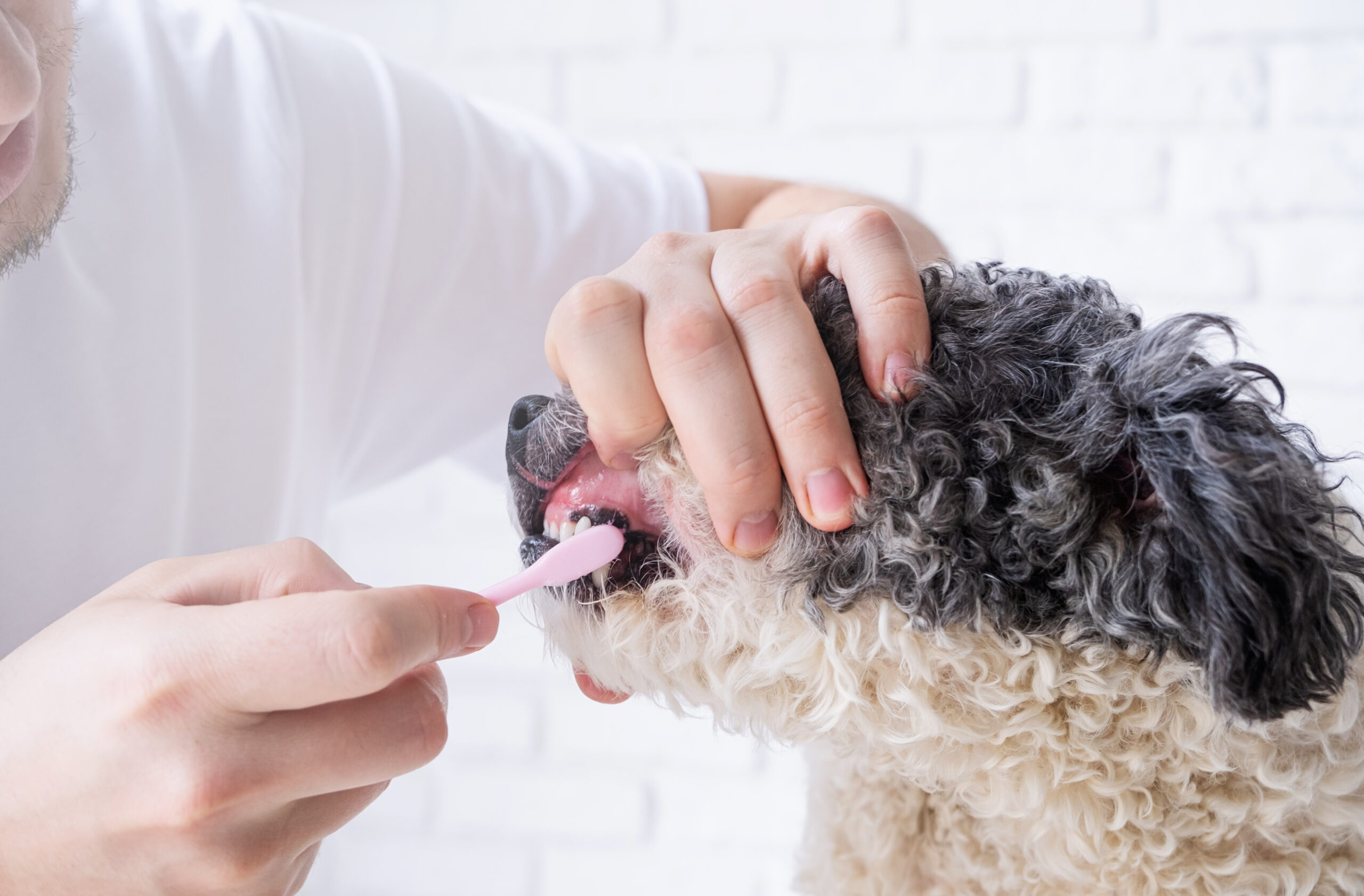
Brushing your dog’s teeth is one of the most effective ways to prevent plaque buildup and bad breath. Use a dog-specific toothbrush and toothpaste, as human toothpaste can be harmful to pets. Ideally, brushing should be done several times a week.
Offer Dental Chews and Toys
Dental chews and specially designed chew toys can help reduce plaque and tartar buildup. They also encourage healthy chewing behavior while helping freshen breath.
Schedule Regular Veterinary Dental Exams
Routine veterinary checkups allow professionals to examine your dog’s teeth and gums, identify early dental problems, and recommend proper treatment. Preventive dental care plays a major role in keeping your dog comfortable and healthy.
Choose a Dental-Friendly Diet
High-quality dog food designed for dental health can help limit plaque accumulation. Your veterinarian may also recommend specialized dental diets or supplements that support oral hygiene.
Consider Professional Dental Cleanings
If your dog already has significant plaque or tartar buildup, professional dental cleaning may be necessary. Veterinary dental cleanings remove hardened tartar and allow for a thorough examination of the teeth and gums.
Signs Your Dog May Need Veterinary Dental Care
While occasional mild odor can happen, persistent bad breath may indicate a more serious issue. Contact your veterinarian if you notice:
- Loss of appetite
- Excessive drooling
- Red, swollen, or bleeding gums
- Loose or missing teeth
- Weight loss
- Lethargy or behavioral changes
- Vomiting or digestive problems
Early diagnosis and treatment can prevent more severe health complications.
Keeping Your Dog’s Smile Healthy
With consistent dental care, you can greatly improve your dog’s oral health and overall quality of life. Simple steps like brushing your dog’s teeth, offering dental chews, and scheduling regular veterinary exams can help prevent bad breath and dental disease.
Maintaining your dog’s dental health at home is essential, but professional care plays an equally important role. If your pet has persistent bad breath or signs of dental disease, searching for a reliable veterinary hospital near me can help you find expert care quickly. Regular dental exams and cleanings at a trusted veterinary clinic ensure early detection of oral issues and keep your dog healthy, comfortable, and pain-free.
If your dog is experiencing persistent bad breath or signs of dental discomfort, the veterinary team at Animal Medical Clinic of Gulf Gate in Sarasota, FL is here to help. Our dental care services are designed to keep your pet’s teeth clean, healthy, and pain-free.
Frequently Asked Questions
1. How can I prevent bad breath in my dog?
Regular brushing, dental chews, healthy diets, and professional dental cleanings can help prevent bad breath and maintain oral health.
2. Can bad breath indicate a serious health problem?
Yes. Persistent bad breath can sometimes signal dental disease or underlying medical conditions such as kidney problems. A veterinary evaluation is recommended.
3. How often should I brush my dog’s teeth?
Brushing 2–3 times per week is recommended, although daily brushing provides the best protection against plaque buildup.
4. Can I use human toothpaste on my dog?
No. Human toothpaste contains ingredients that are harmful to dogs. Always use toothpaste specifically formulated for pets.
5. When should my dog have a professional dental cleaning?
Your veterinarian will determine the best schedule based on your dog’s age, breed, and oral health. Many dogs benefit from regular professional dental cleanings to prevent disease.